Begin as Fossil: The Architecture of Tadao Ando
When I was in middle school, I was certain I wanted to be an architect. I kept returning from the library burdened with larger and heavier coffee-table sized books of glossy pictures of buildings in styles I still don’t really understand, but which I found endlessly fascinating. I sketched probably hundreds of architectural doodles, mostly impractical follies that would only have worked as conceptual art for a big budget fantasy or sci-fi movie. And when I joined Boy Scouts, Architecture was my first merit badge (shoutout to Ray Leong for being a great counselor).
One I was midway through high school and struggling with trigonometry, I began to reconsider architecture as a career. If anything, this was a belated realization – I think anything requiring much in the way of mathematics was always going to be a dead end for me, although perhaps I did not realize then how much would come to be done by software. Still, I remain a massive fan of architecture, and a very opinionated one. Unlike most people who are opinionated on architecture, I have no side in the modernist-traditional debate that usually gets public traction; my favorite cities are those with an eclectic mix of ornate historical facades and sleek, bold innovations all thrown together. Nor do I need architecture to be making a philosophical point; actually, I remain hesitant to blog about architecture, because I find the pretensions to depth you see in most architectural writing ludicrous. I spend a fair amount of time on architecture blogs and websites, and I love the pictures, but so many of the blurbs leave me chortling. Having said that, sometimes when I pay more attention, they begin to make sense to me, and as I started thinking about what to write in this blog, I felt myself resorting to the same sort of language, so this may well be a case of good old ignorance and hypocrisy on my part. But all that is to say, my opinions about architecture are extremely simple – I want buildings to be beautiful and interesting to look at. The great enemy of this, of course, is architecture pulled out of a box, cheap and fast, which does not even concern itself with the question of beauty. Or if there is such a concern, it is only for the view from within the building, and not the building as a part of the world. Personally, I think this kind of tasteless architecture, which comes sometimes in modernist cubes, but slapdash and bland, and sometimes in a vague impression of traditional forms, but lacking the detail of craftmanship – well, I think it disrespects itself and its neighbor and God’s creation. But perhaps that is going a little far.
So, how am I going to write about architecture, and what have I got to say? Well, to take the second question first, very little. By which I mean, answering the first, that I am going to write just as I do about music, because I have the same kind of knowledge of architecture as music: no sophisticated knowledge of style, philosophy, or technique, and very little interest in any of that – but a great deal of highly subjective, entirely personal, very strong taste. I say strong, not good – I’m not certain of having good taste in anything but film and literature. So, as with my playlists, I am writing not so much to say anything new about the architecture, but simply to point to it, expressing my subjective reaction, all to the end of simply showing you something I find cool, and, if I have no readers, of curating this list for myself.
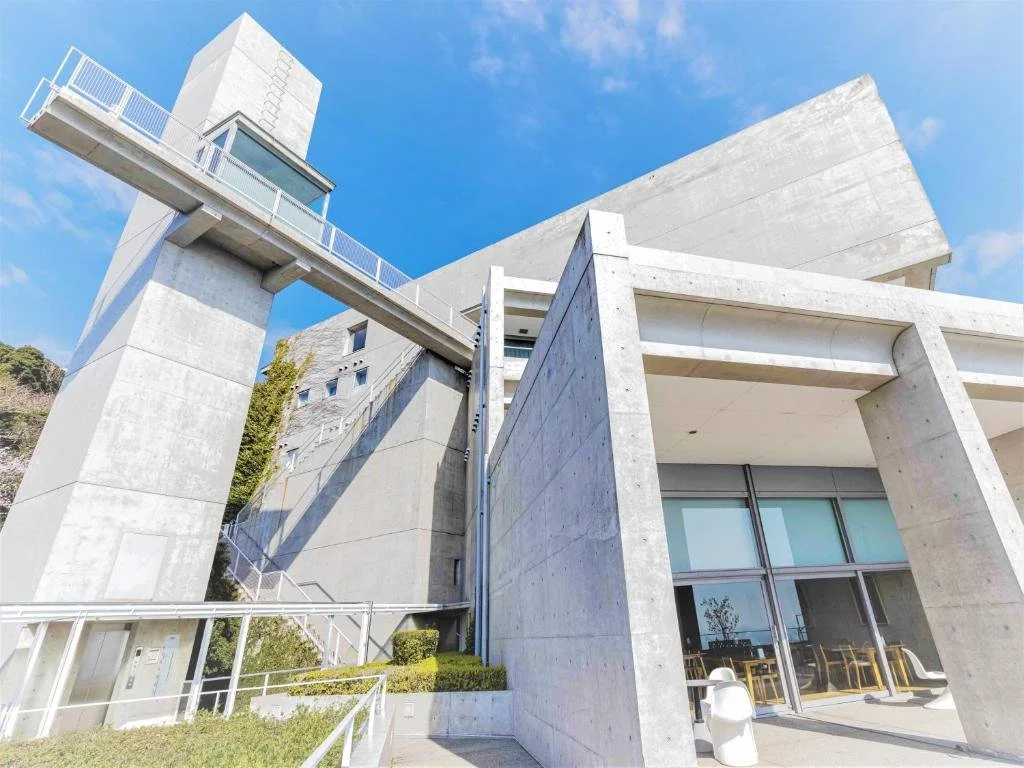
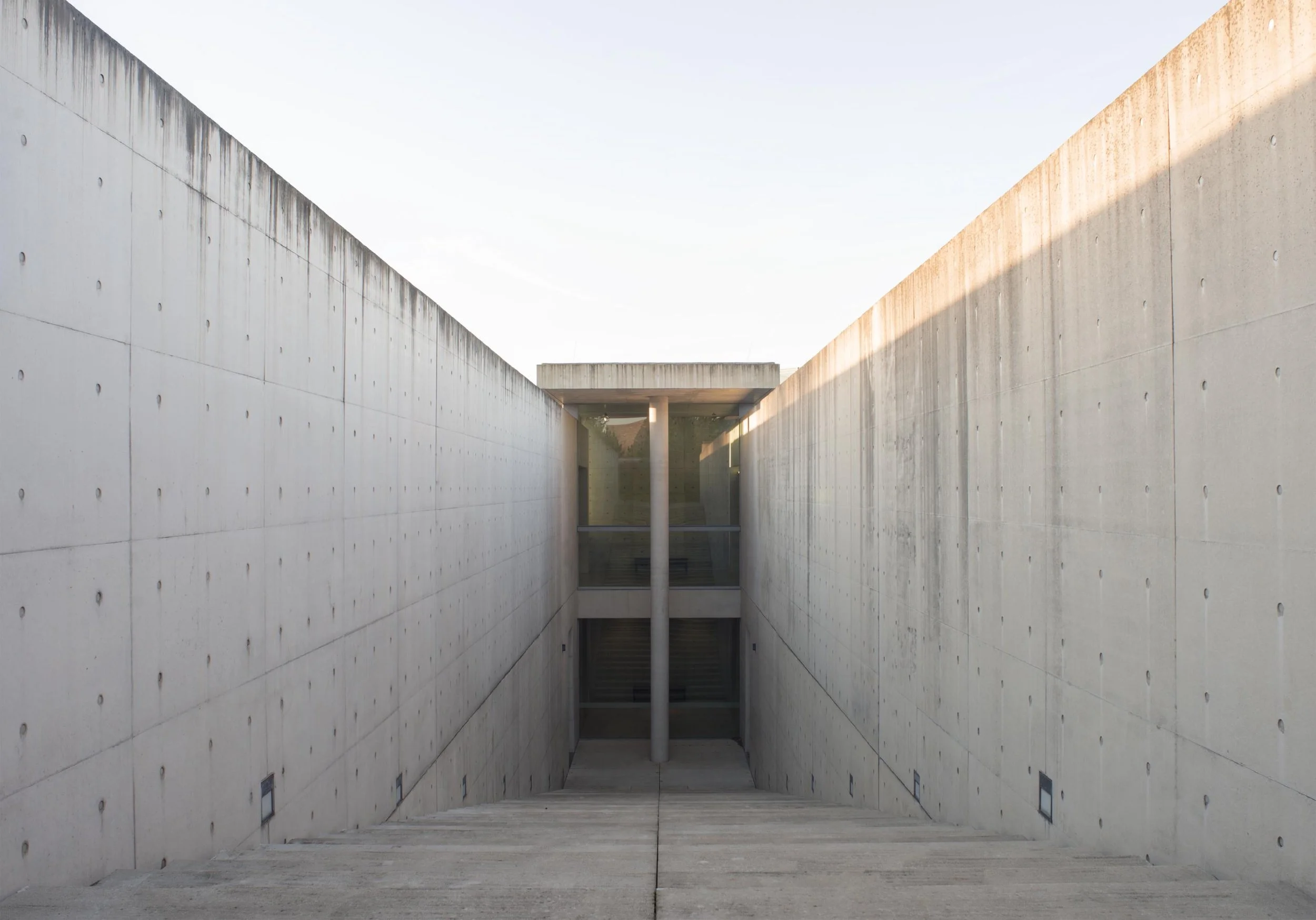
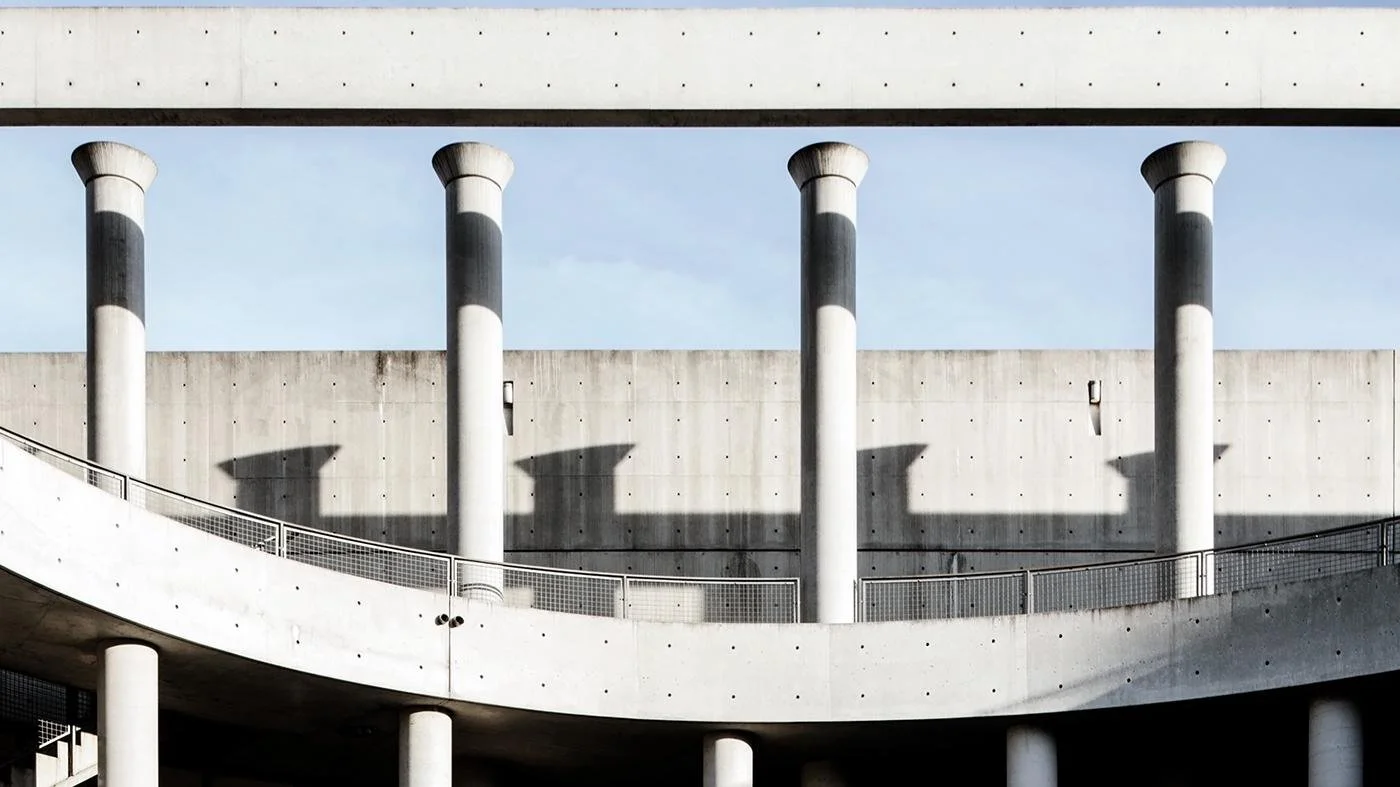
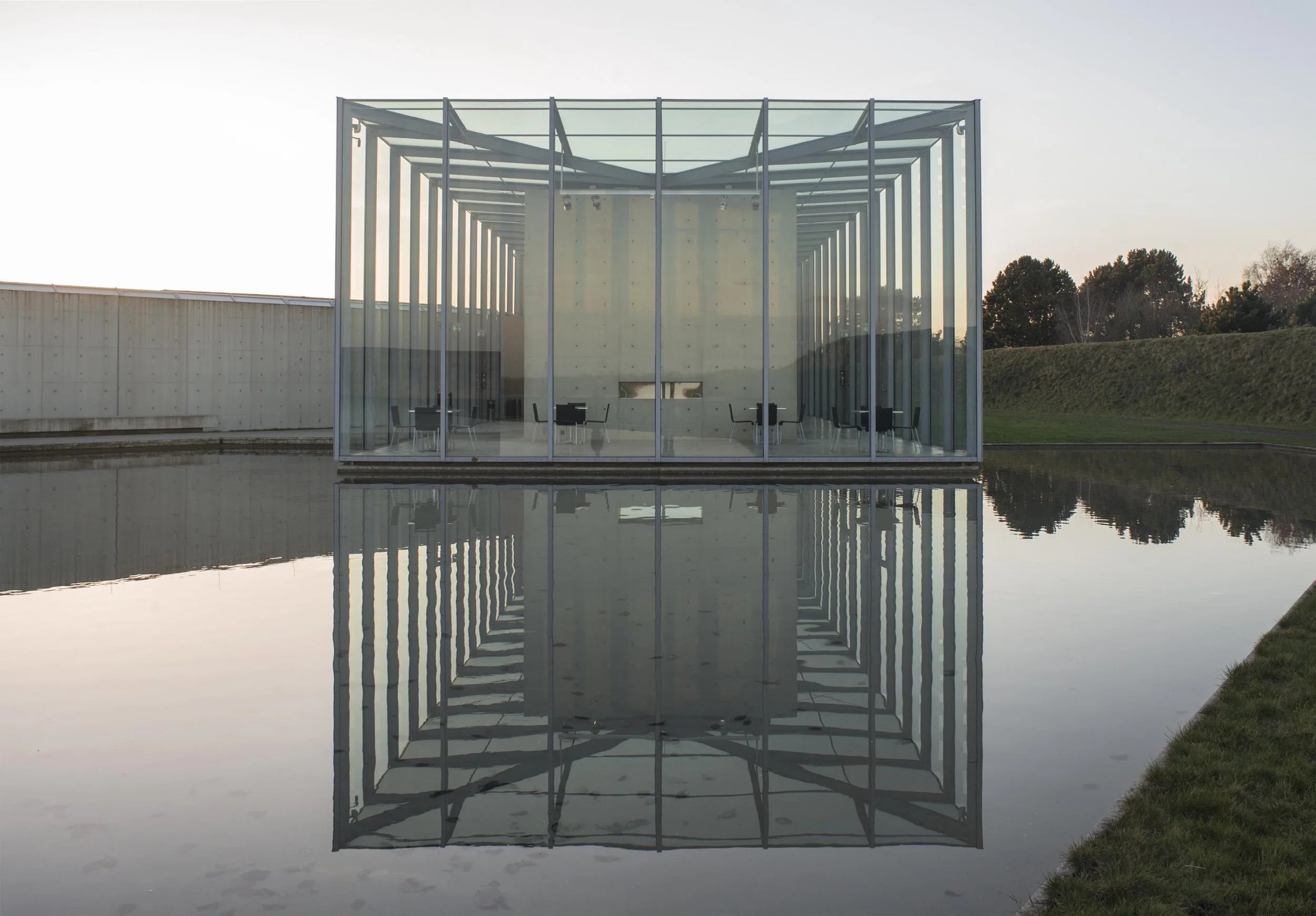
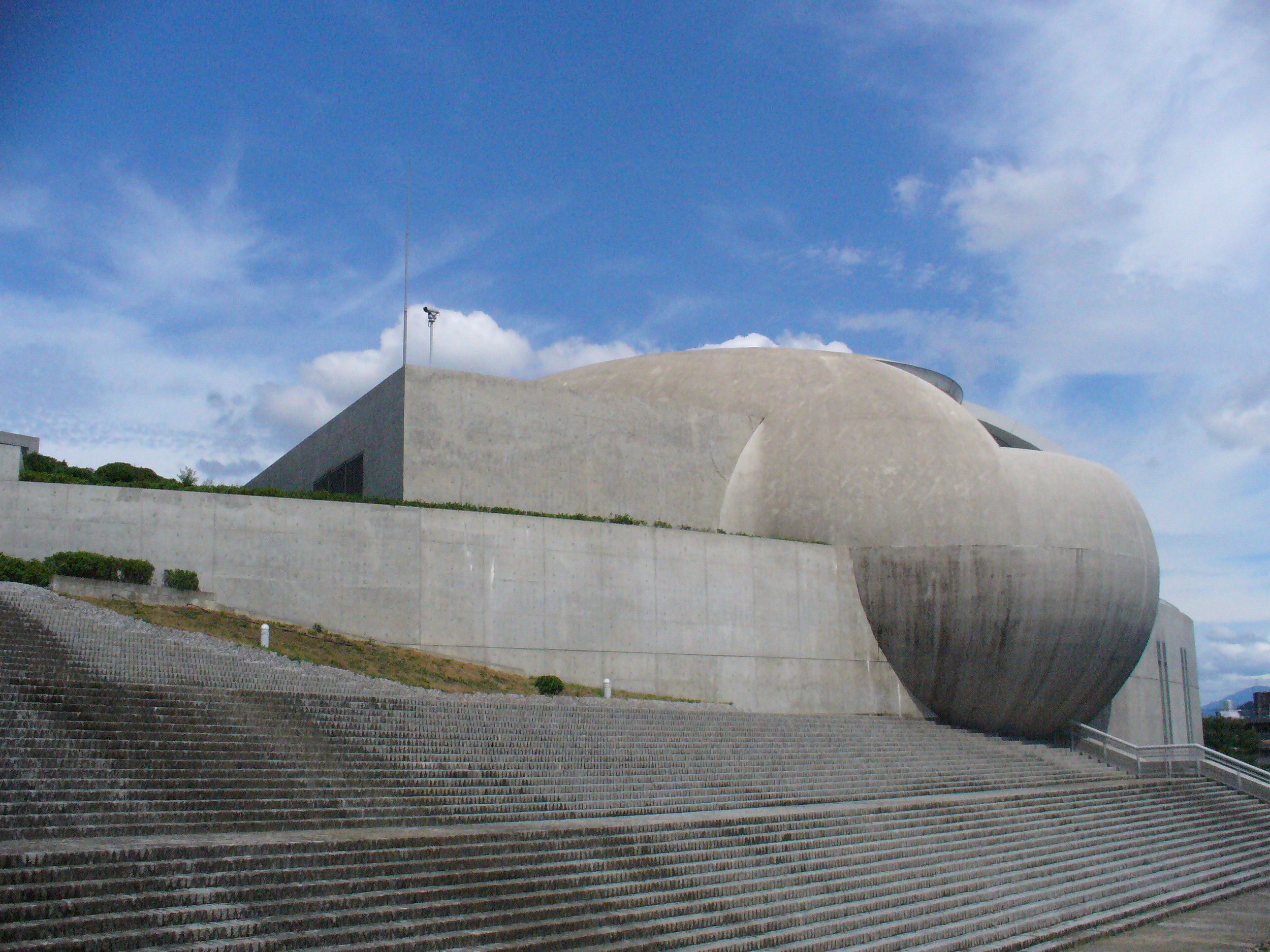
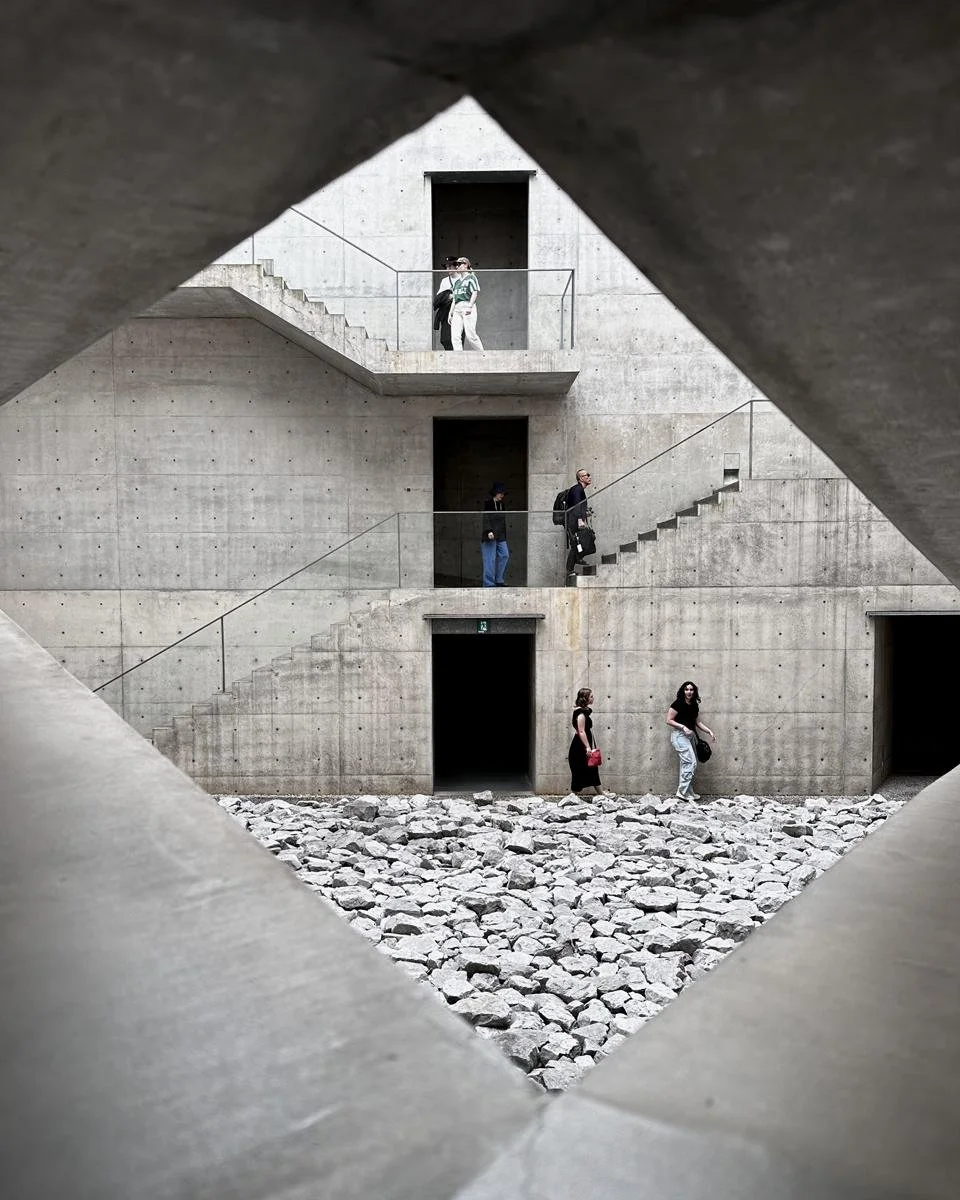
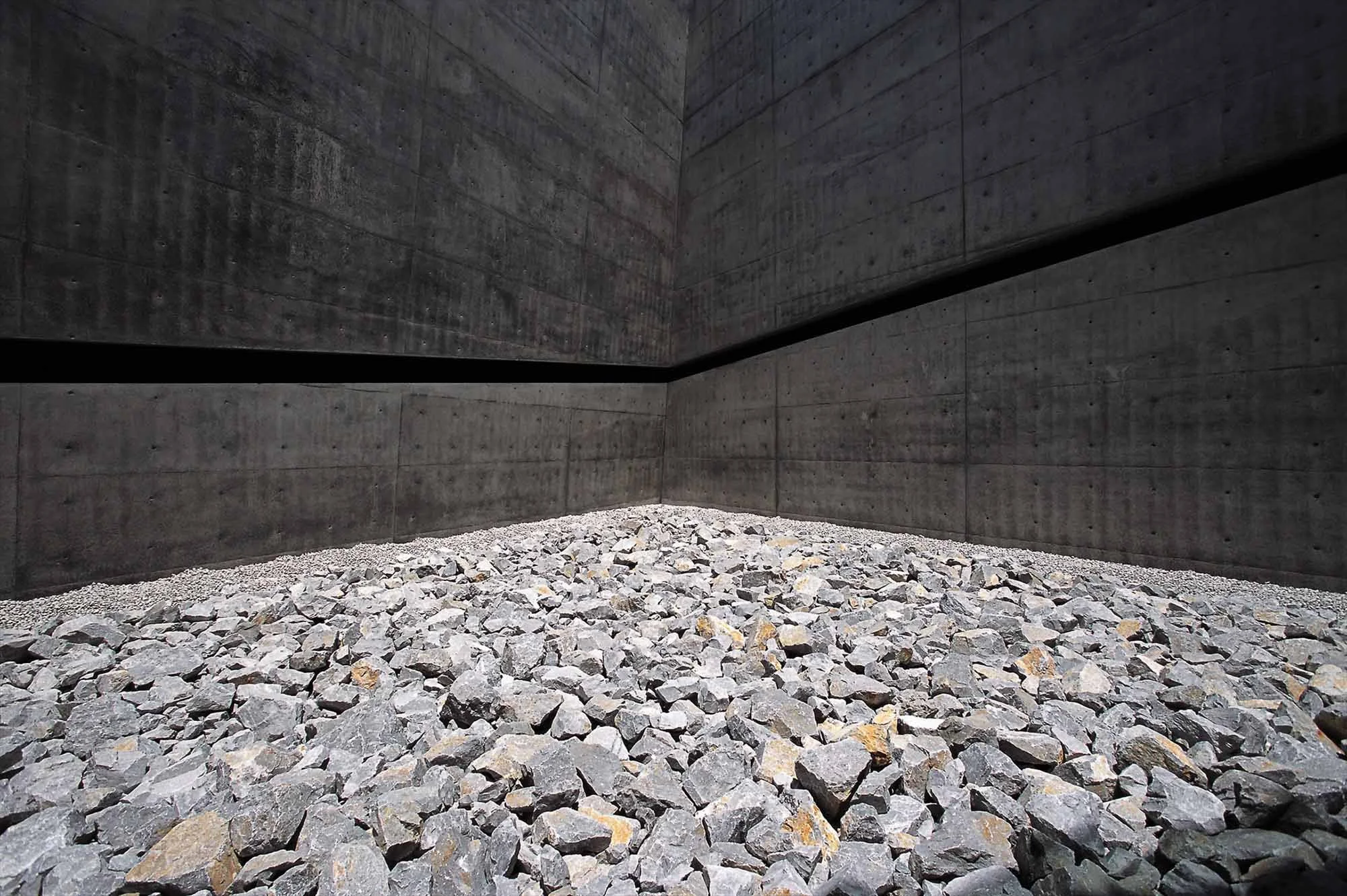
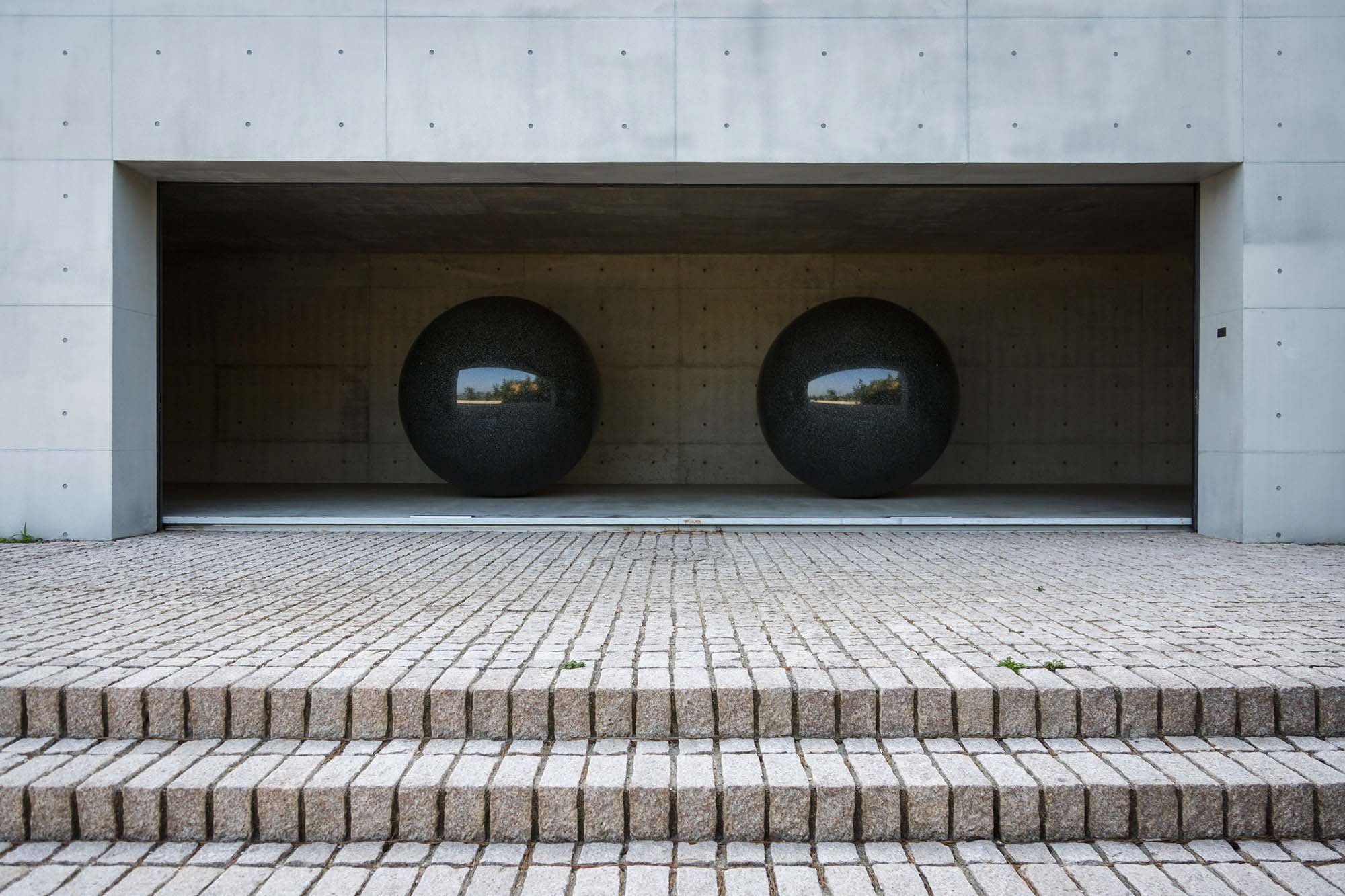
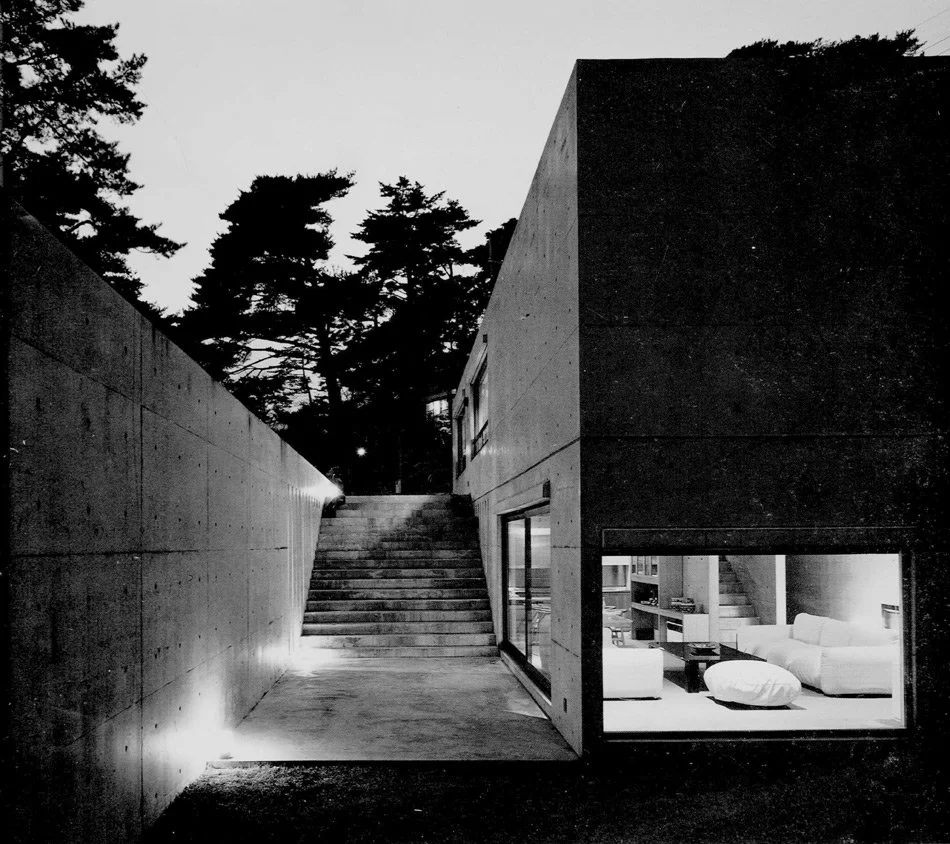
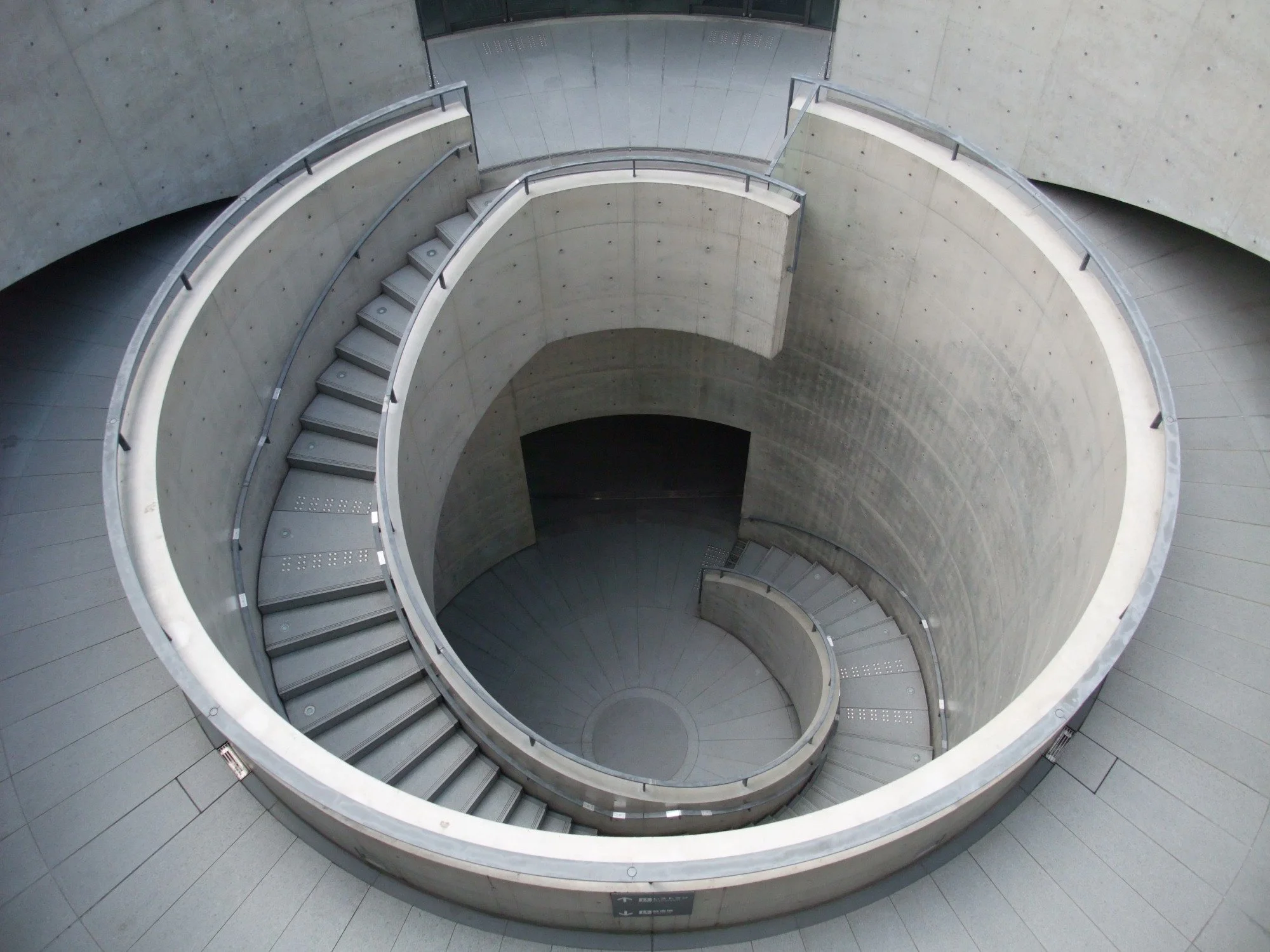
I am beginning today with Tadao Ando, who was never one of my favorite architects, but who was one of the earliest names I remembered in architecture, because his style was so distinctive. What I mean by distinctive is that he built in concrete, and his buildings looked like bunkers – but with a twist. I do like his buildings, perhaps moreso now than when I was a child – the twentieth century has receded into history, and as it does, everything built in the boxy forms that dominated in the decades after the war becomes increasingly nostalgic to me. But Ando’s work doesn’t really have much aging to do. The thing about a plain concrete building, without ornament or covering, is that it has no pretense of flesh to wither and shed. The building begins looking like the ruin it will one day be; it is already mineralized. They begin as fossils, buildings that feel like geology, but formed by the life forms that used them. There’s a timeless quality to this that will only grow as the world changes around these plutonic escarpments.
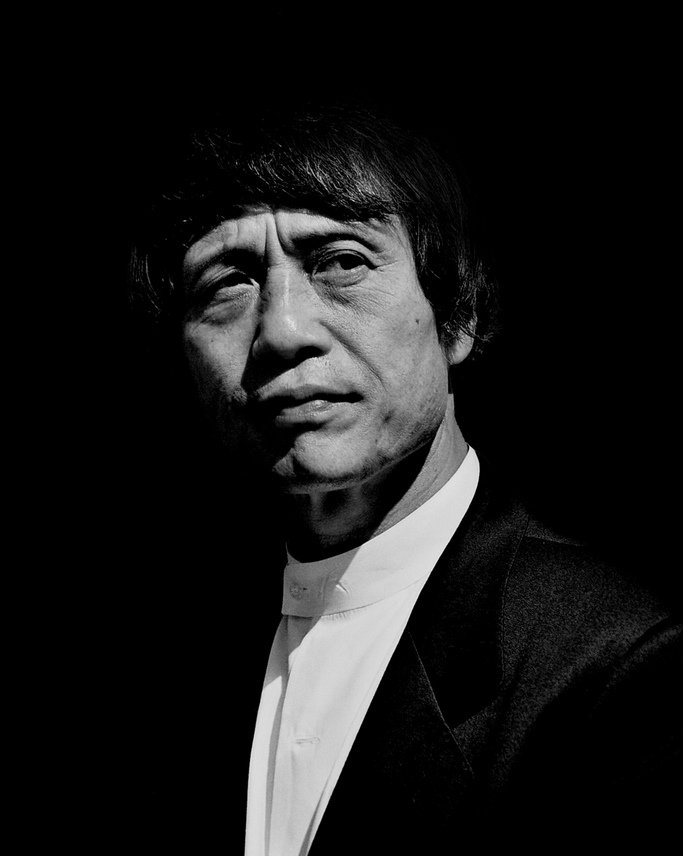
Born in 1941, Ando spent his childhood exploring construction sites, before becoming a boxer. Inspired by Frank Lloyd Wright’s Imperial Hotel in Tokyo, Ando left the ring to begin a course of self-tutelage in architecture, and in 1968 he opened his studio in Osaka. He was particularly fixated on boundaries and walls as the fundamental vocabulary of the architect, saying:
“Architecture has always been about boundaries; building boundaries for protection and then opening them up for movement.”
And,
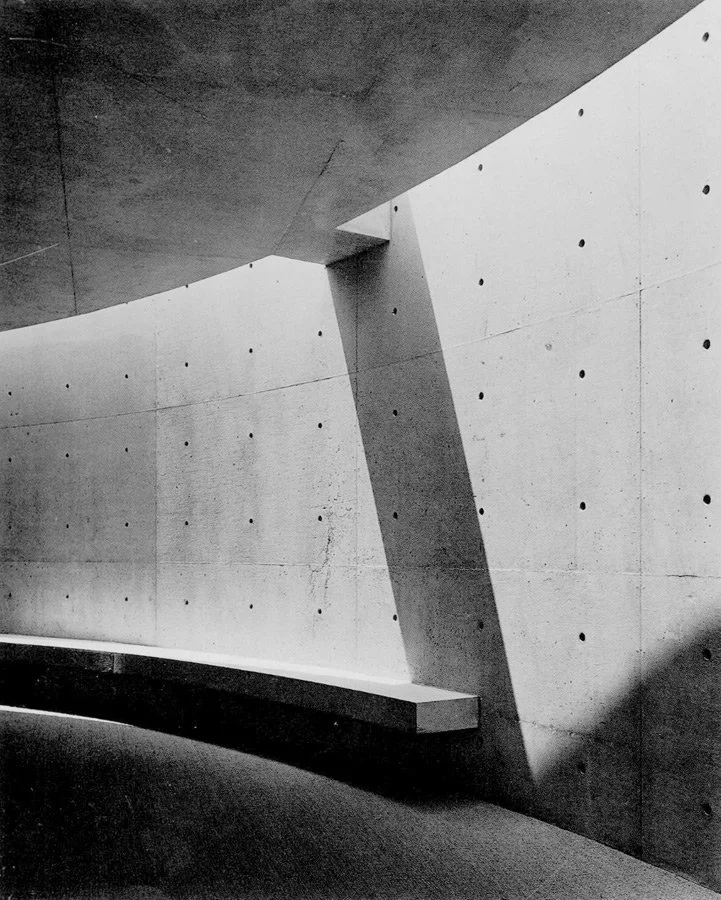
"In all my works, light is an important controlling factor. I create enclosed spaces mainly by means of thick concrete walls. The primary reason is to create a place for all the people, a zone for oneself within society. When the external factors of a city's environment require the wall to be without openings, the interior must be especially full and satisfying... At times walls manifest a power that borders on the violent. They have the power to divide space, transfigure place, and create new domains. Walls are the most basic elements of architecture, but they can also be the most enriching."
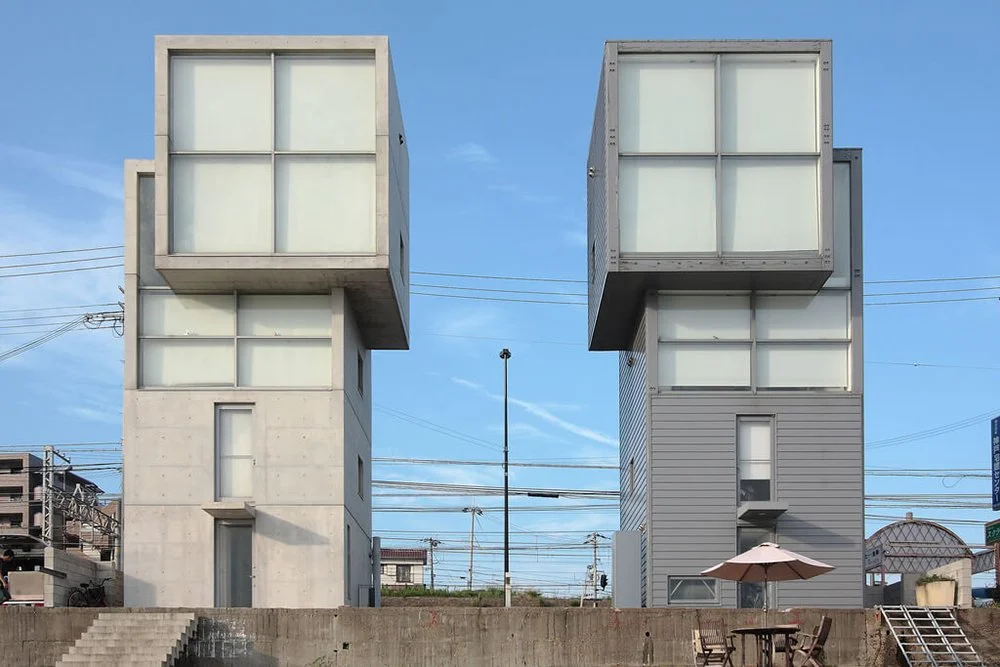
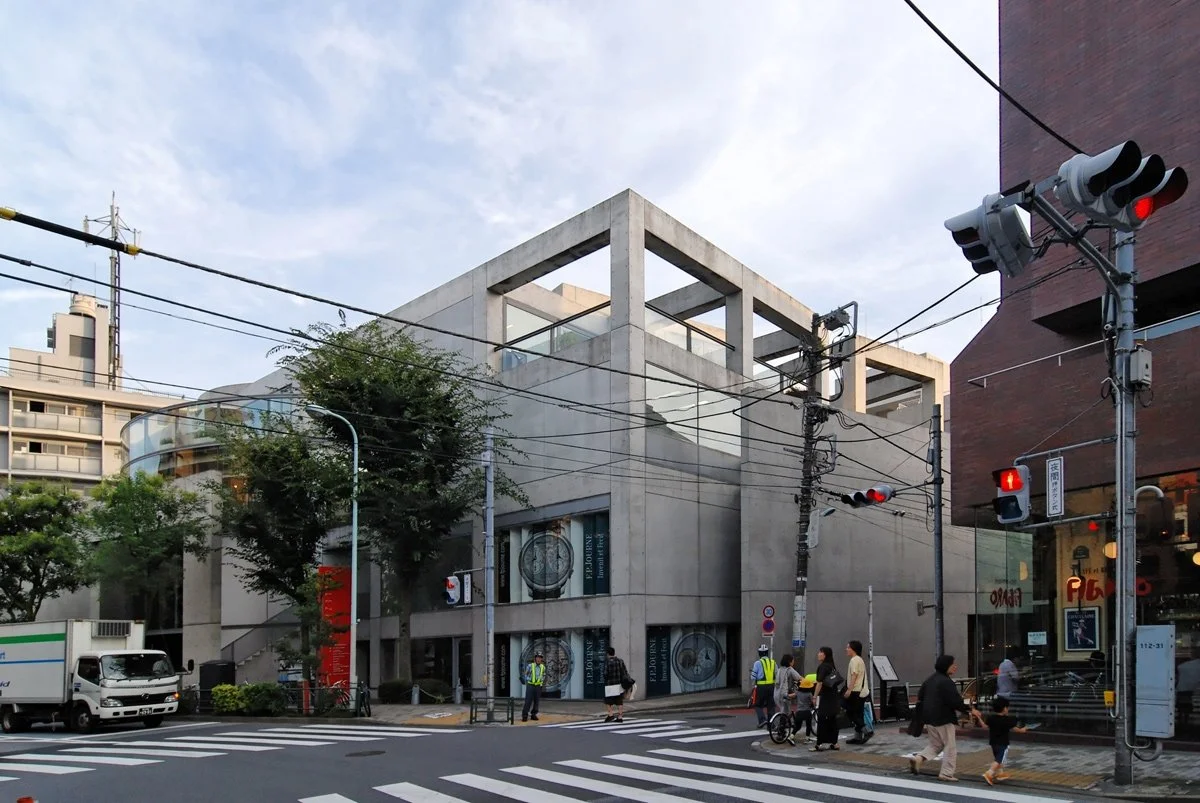
Here is a selection of Ando’s buildings, which are well worth contemplating:
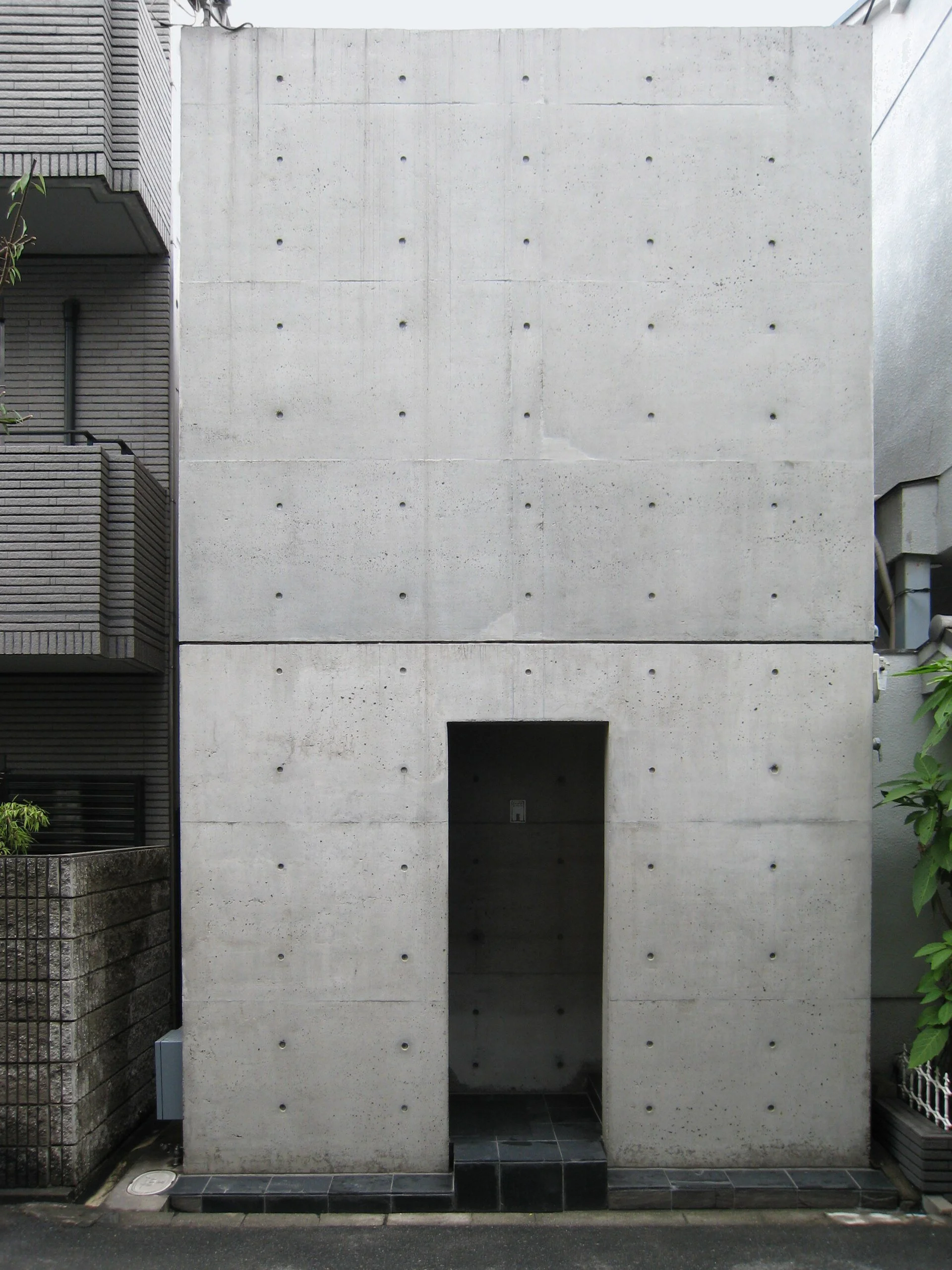
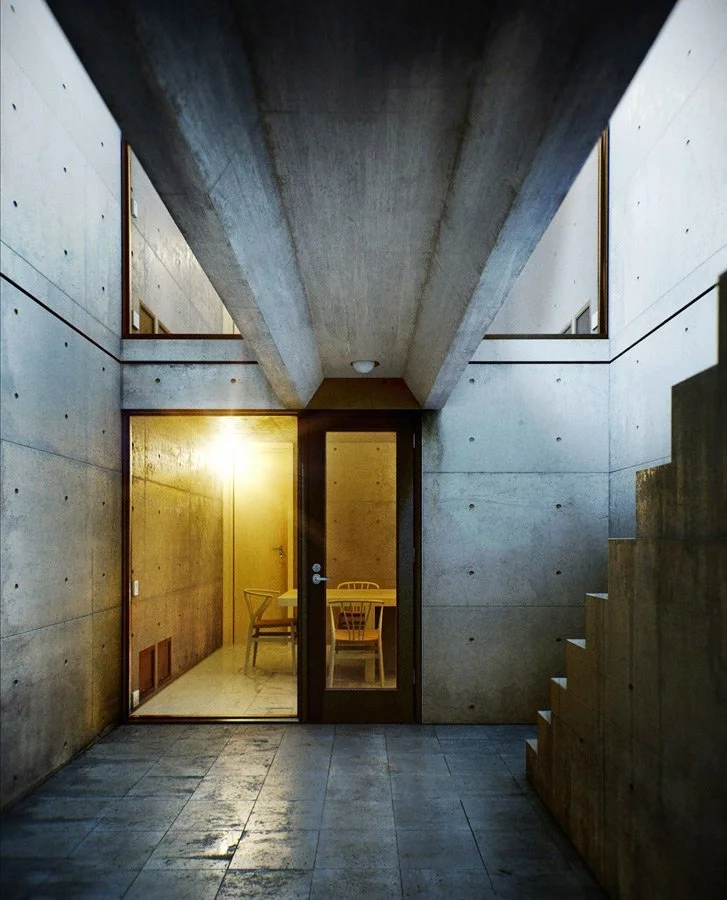
The Row House in Sumiyoshi/Azuma House – an early work that encapsulates Ando’s style:
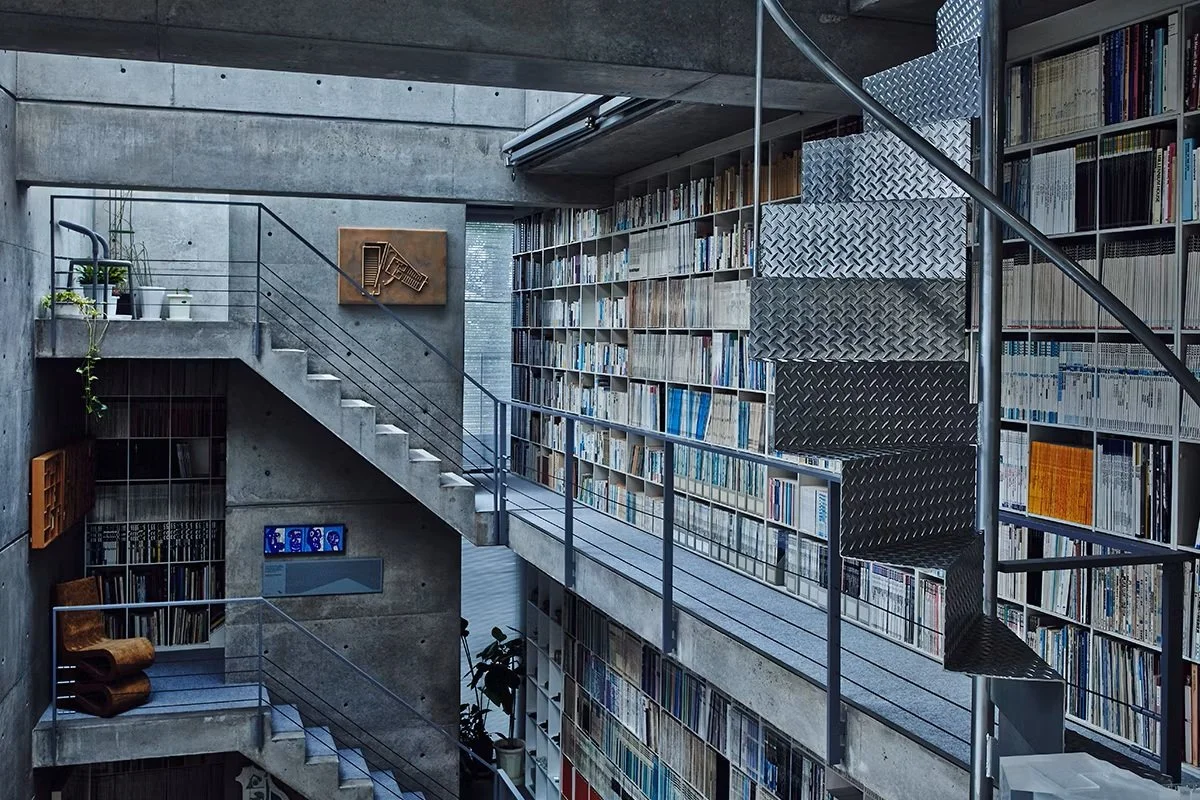
His own studio, which resembles a prison-cum-library:
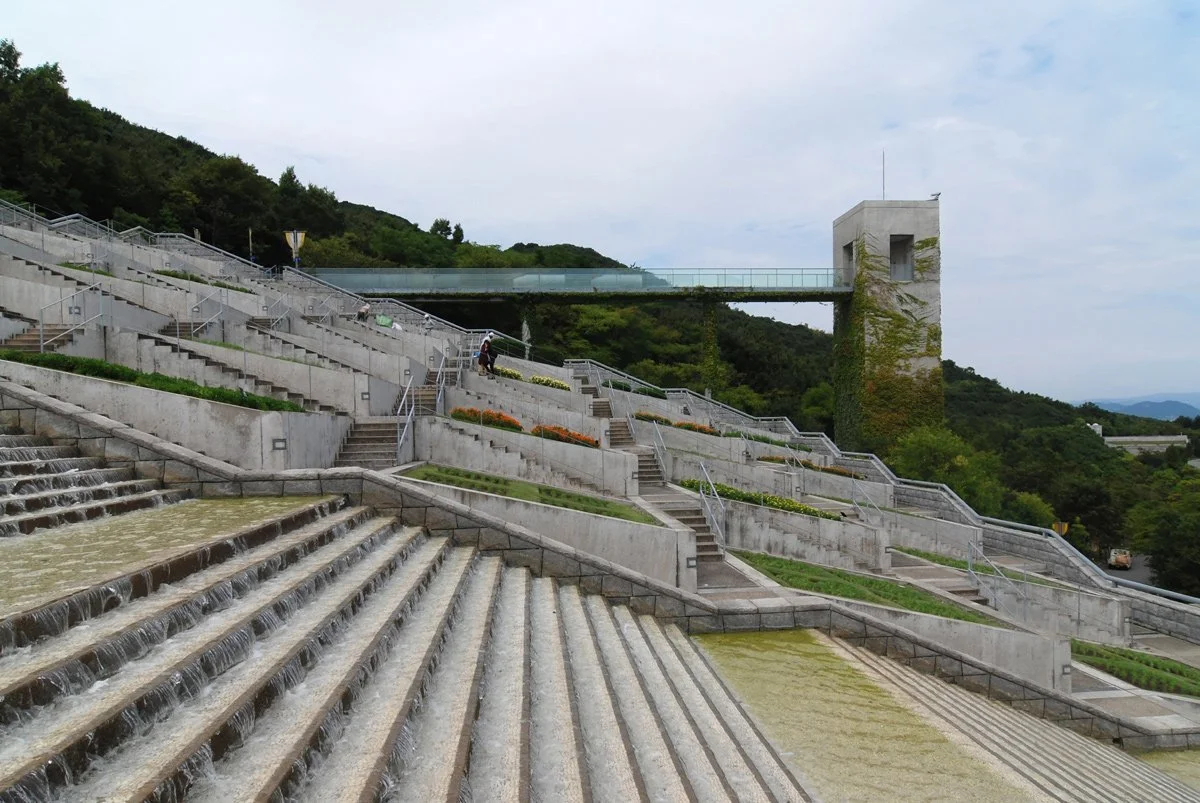
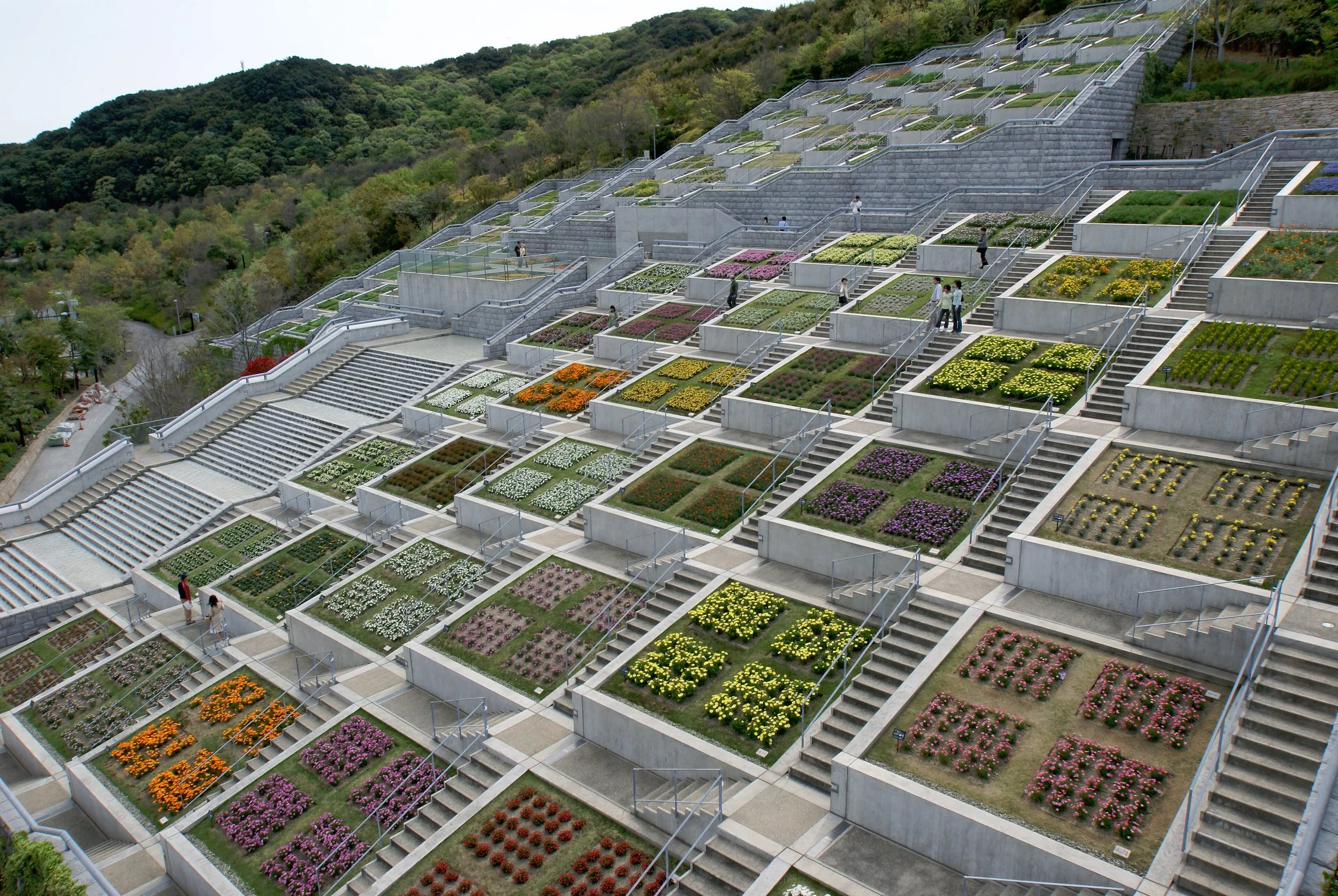
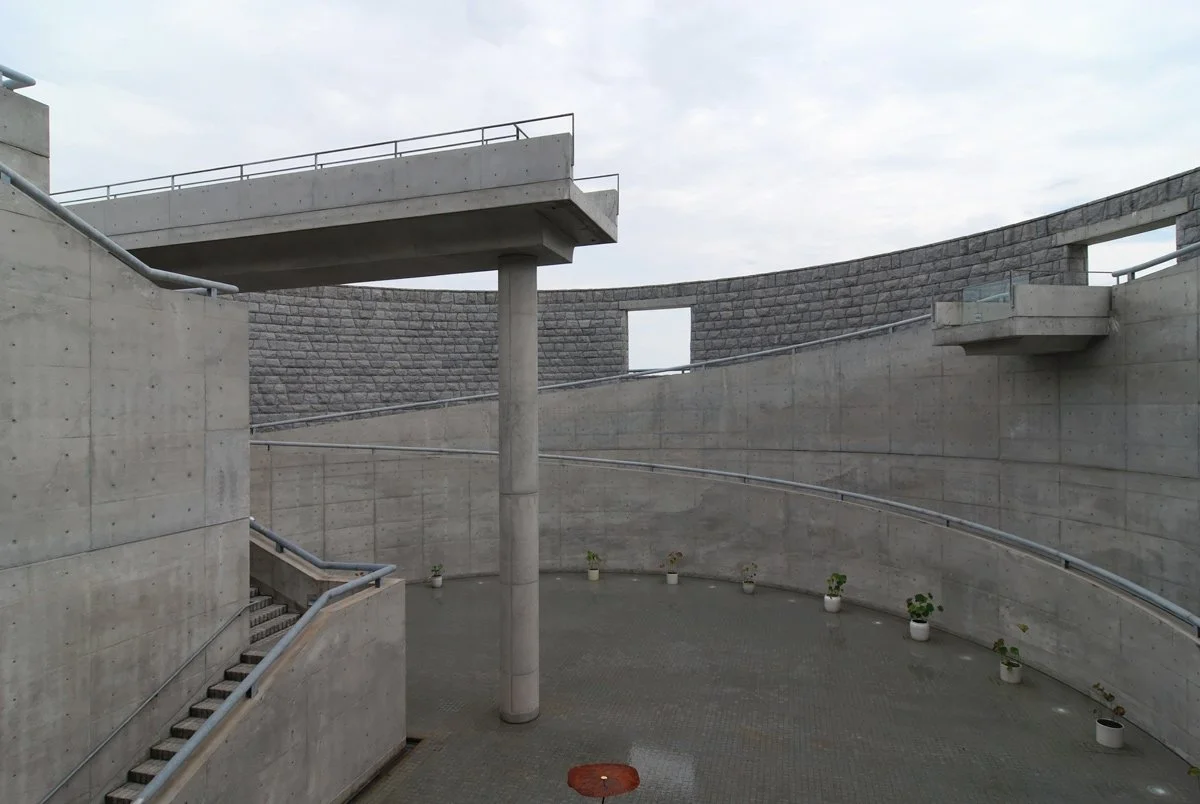
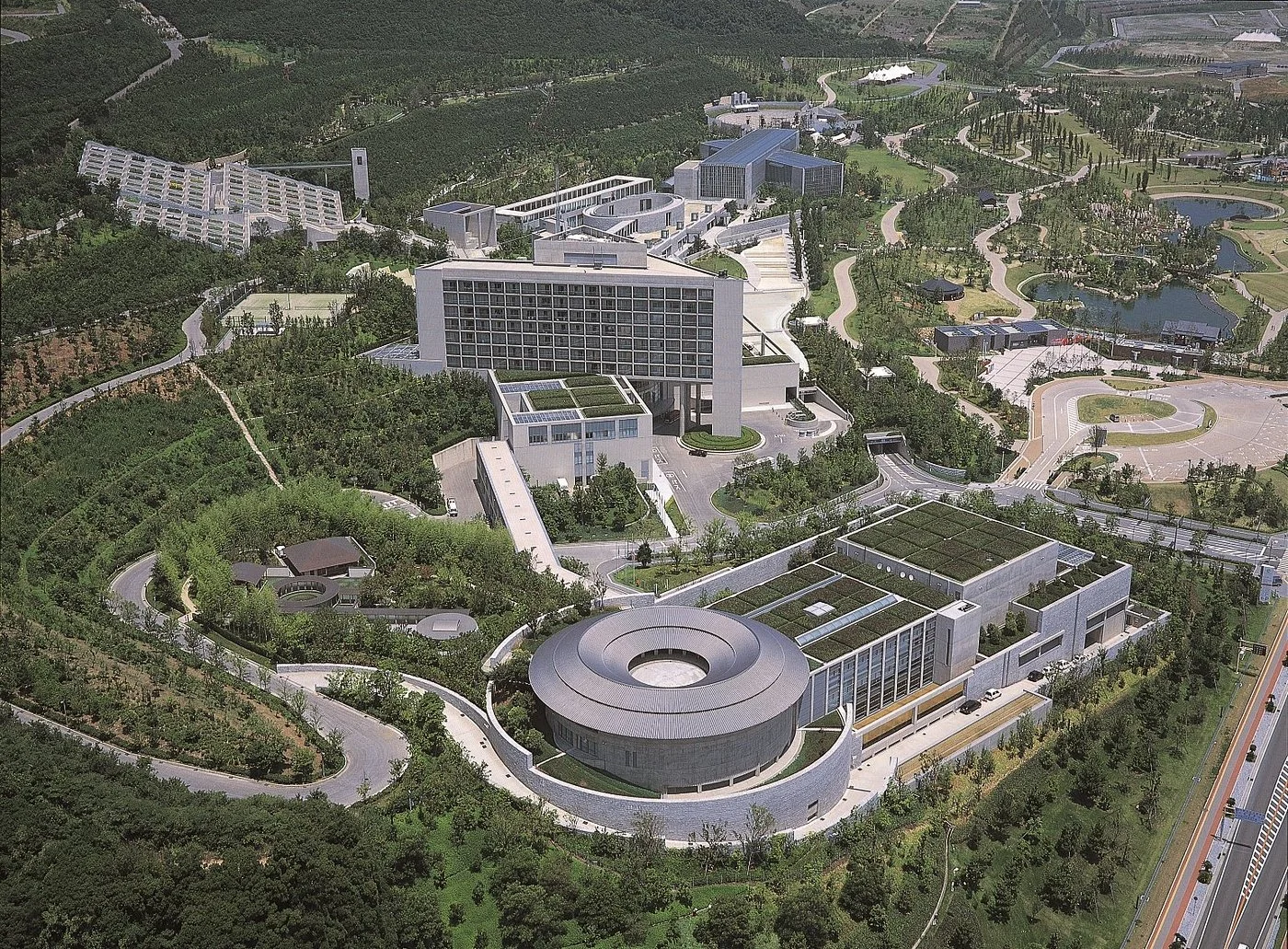
The Awaji Yumebutai, a conference center, hotel, and memorial for the 1995 Great Hanshin Earthquake, which originated below it:
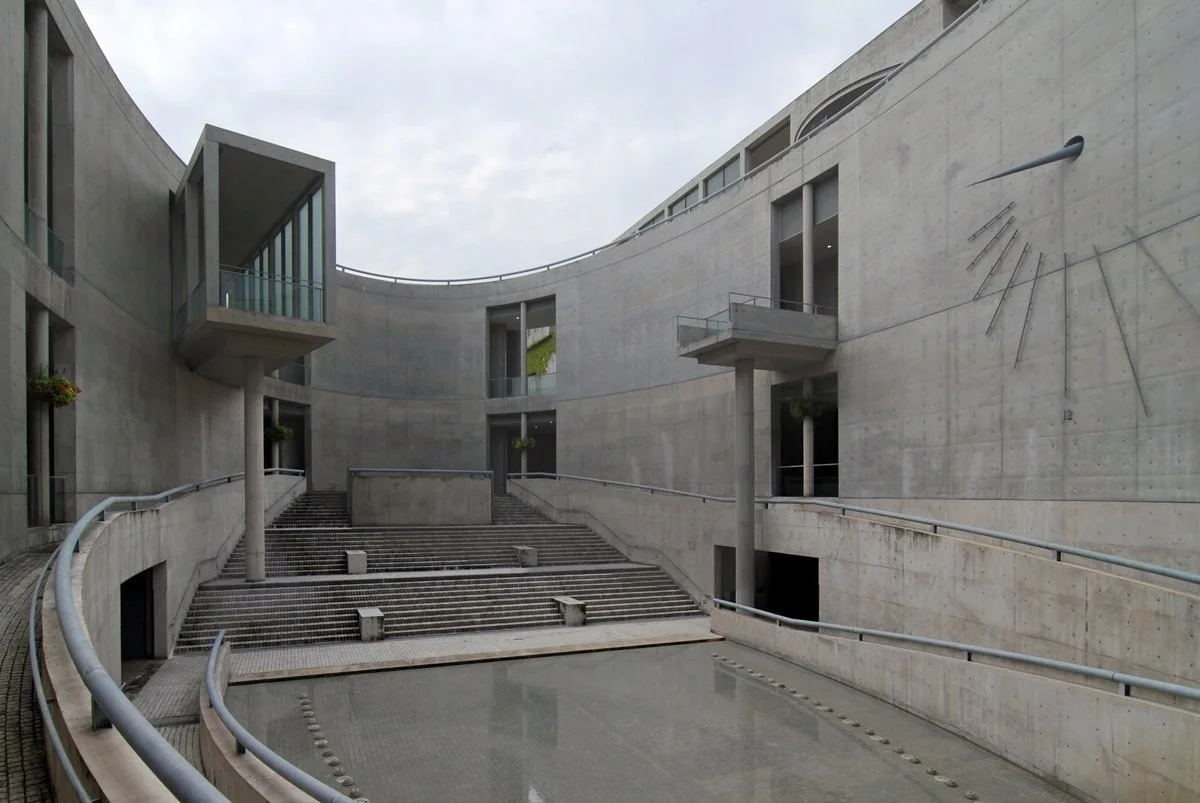
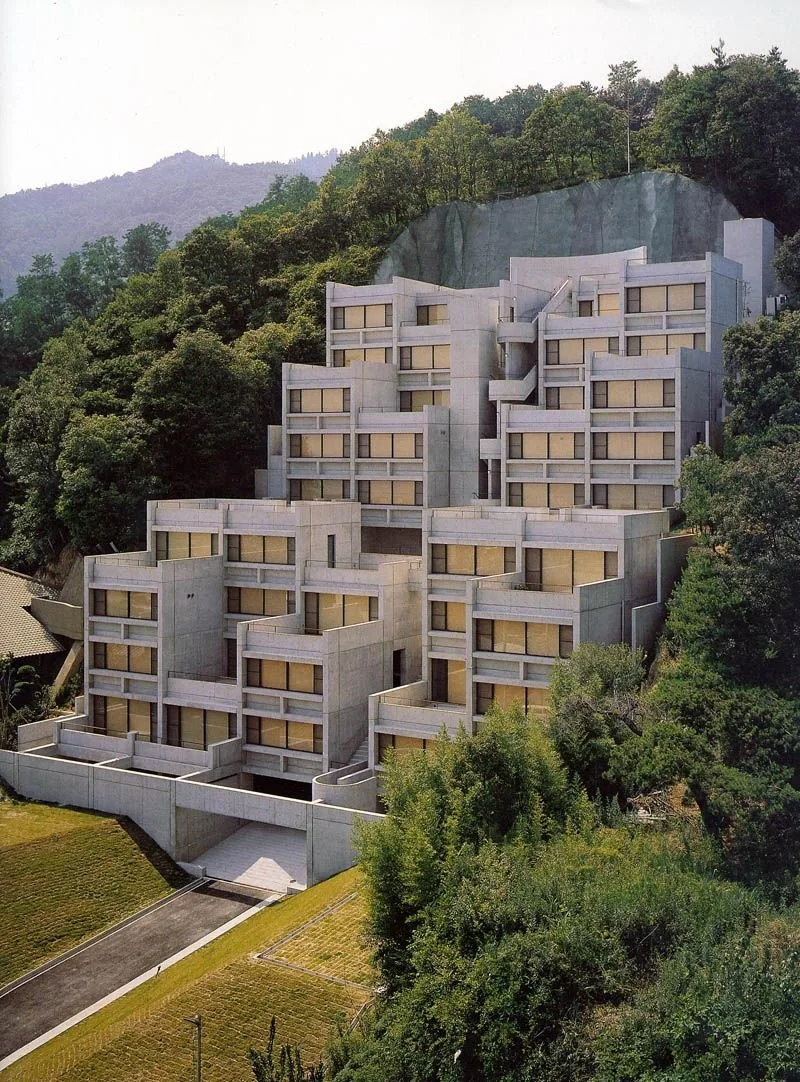
The Rokko Housing Complex:
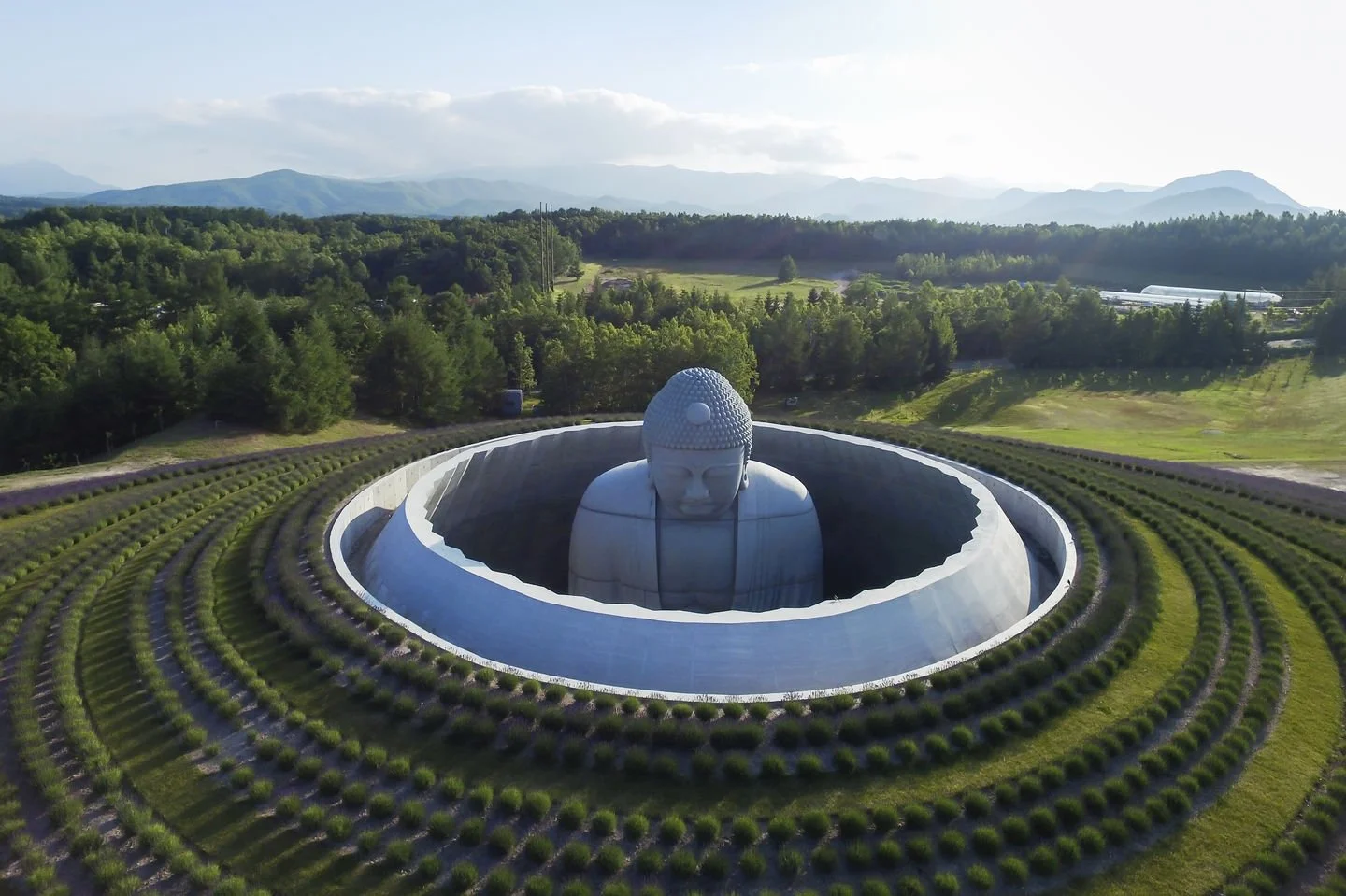
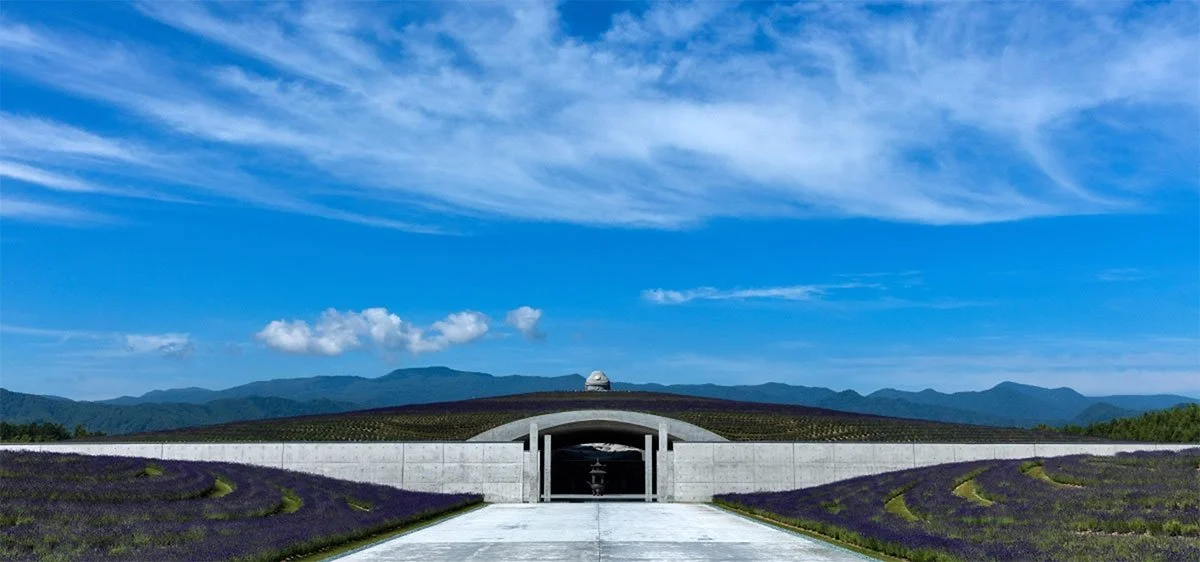
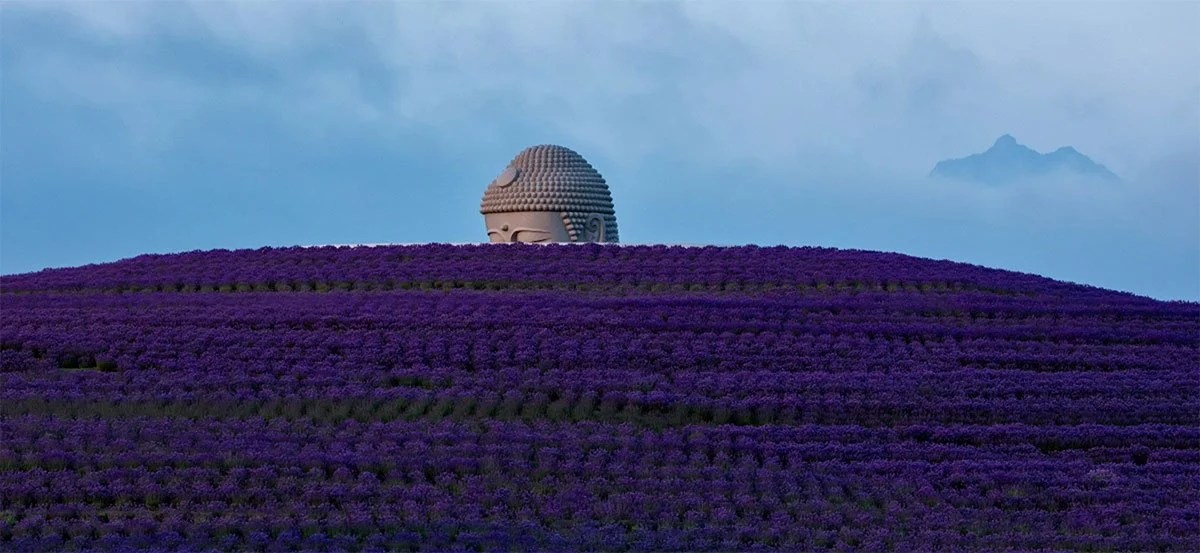
The Hill of Buddha, in which the statue seems to have been partially excavated from a burial tumulus just broken open, or perhaps Buddha has landed from outer space, and is in the process of sinking into the earth:
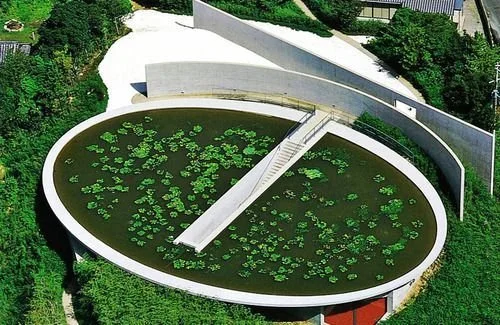
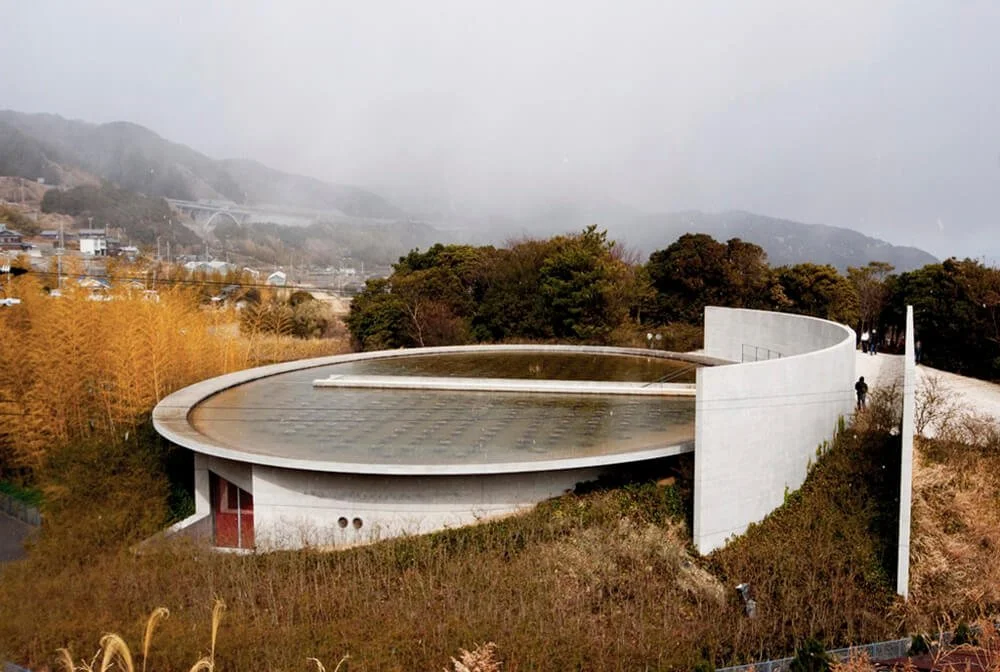
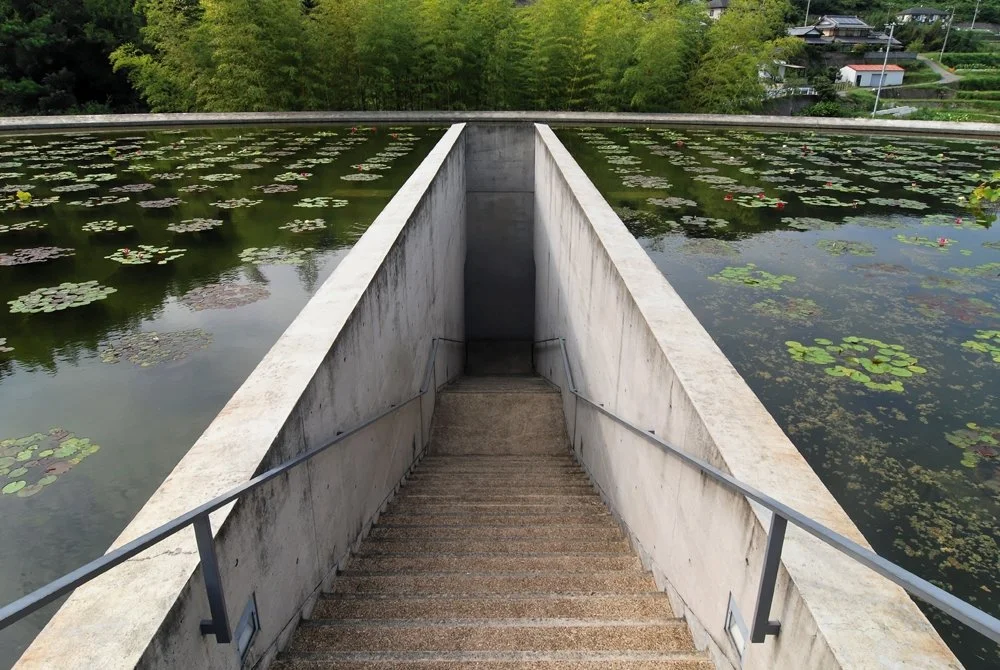
The Awaji Water Temple, the building which most stuck in my mind when I was reading architectural books as a child:
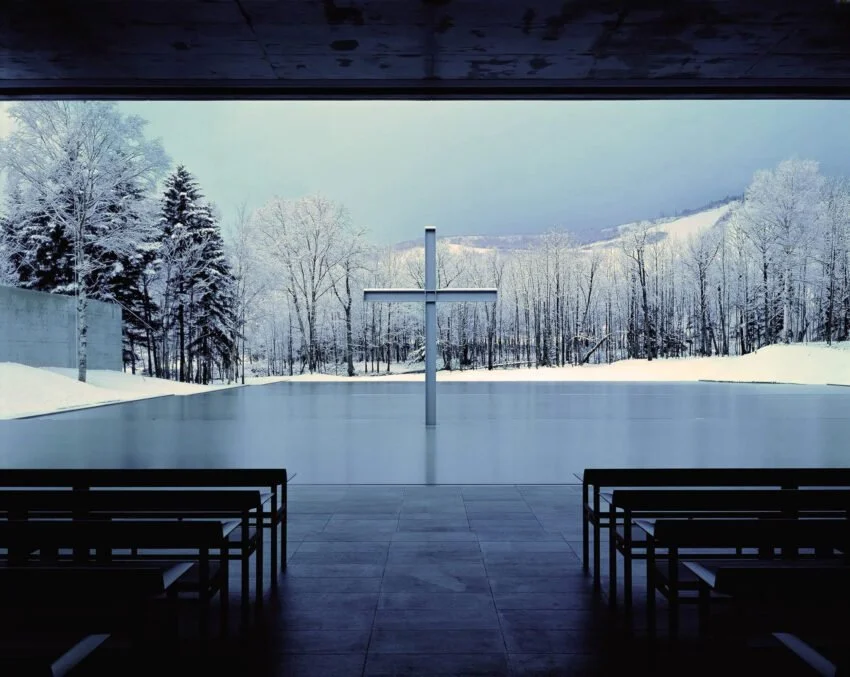
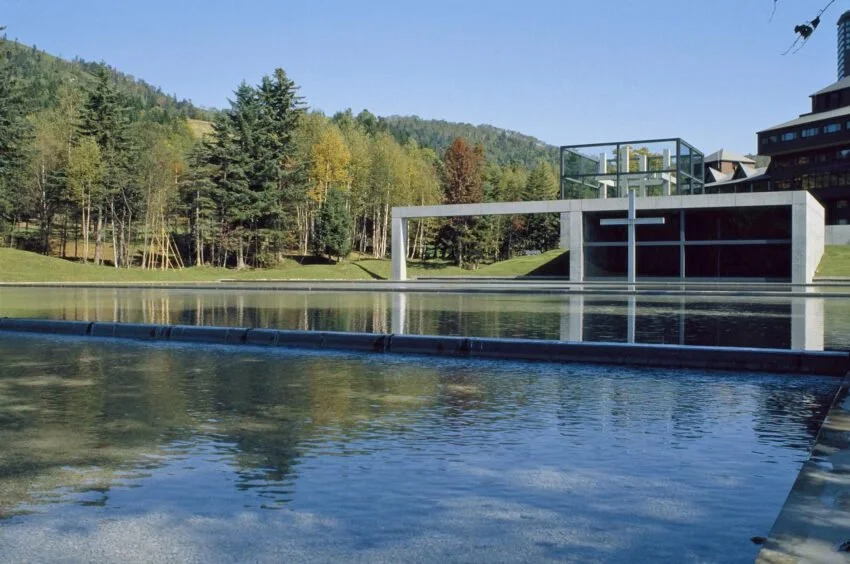
The Church on the Water:
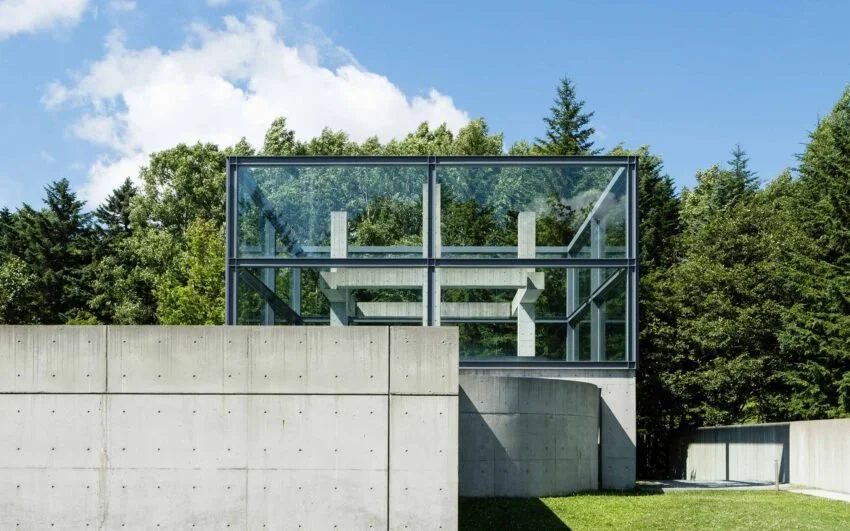
The Church of the Light which has one of the most memorable crucifixes in ecclesiastical architecture:
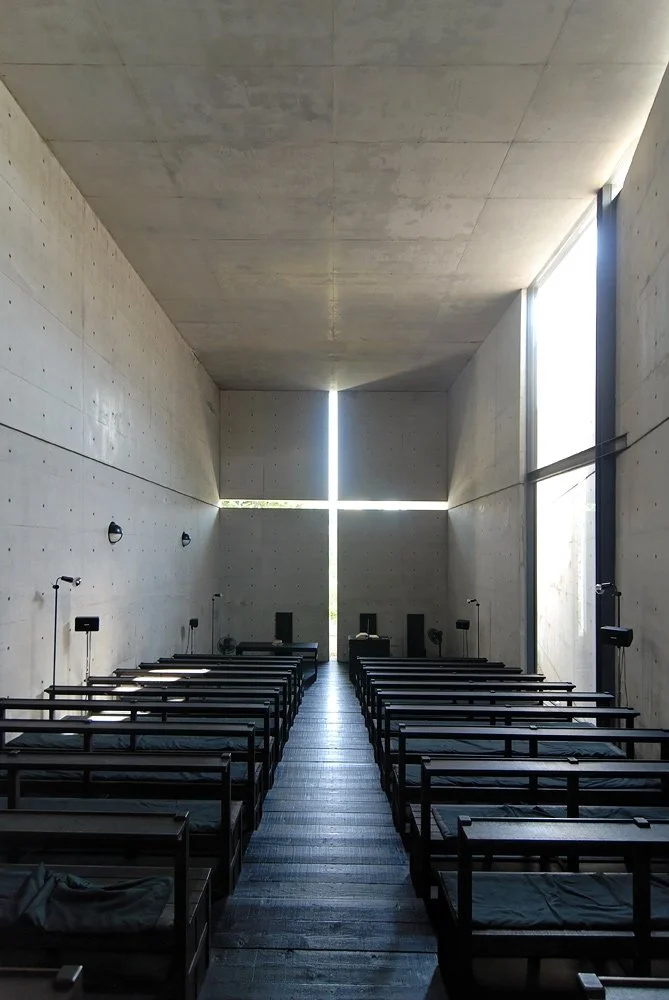
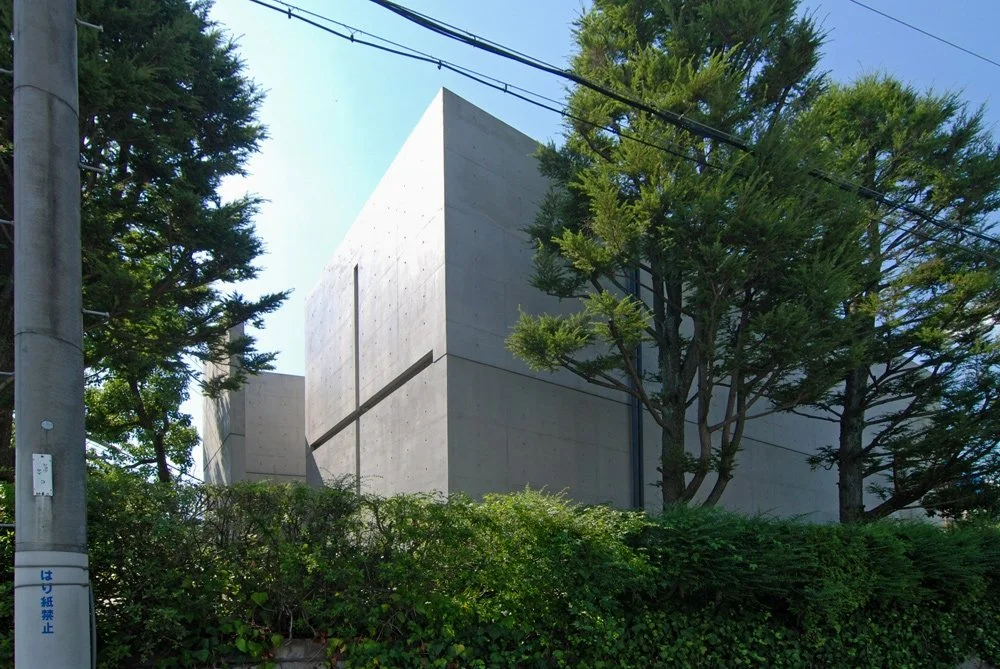
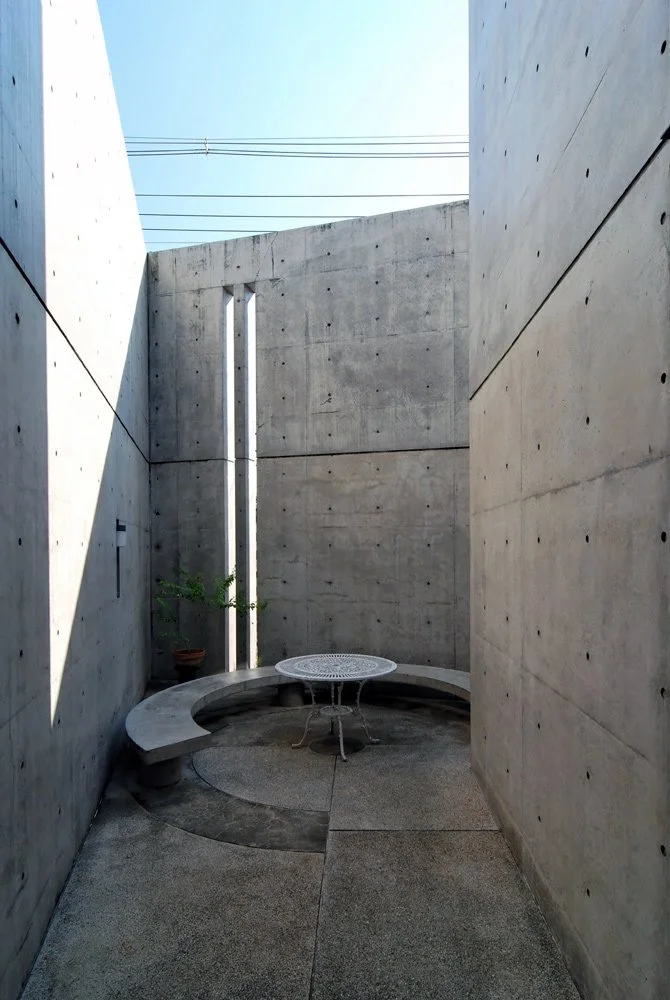
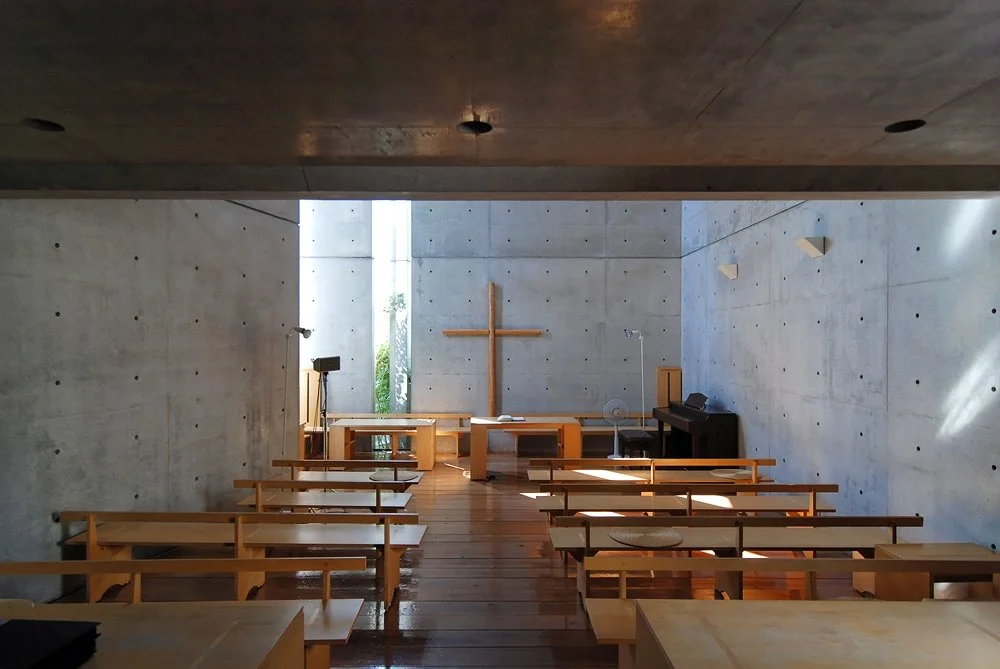
And, of course, many other buildings: