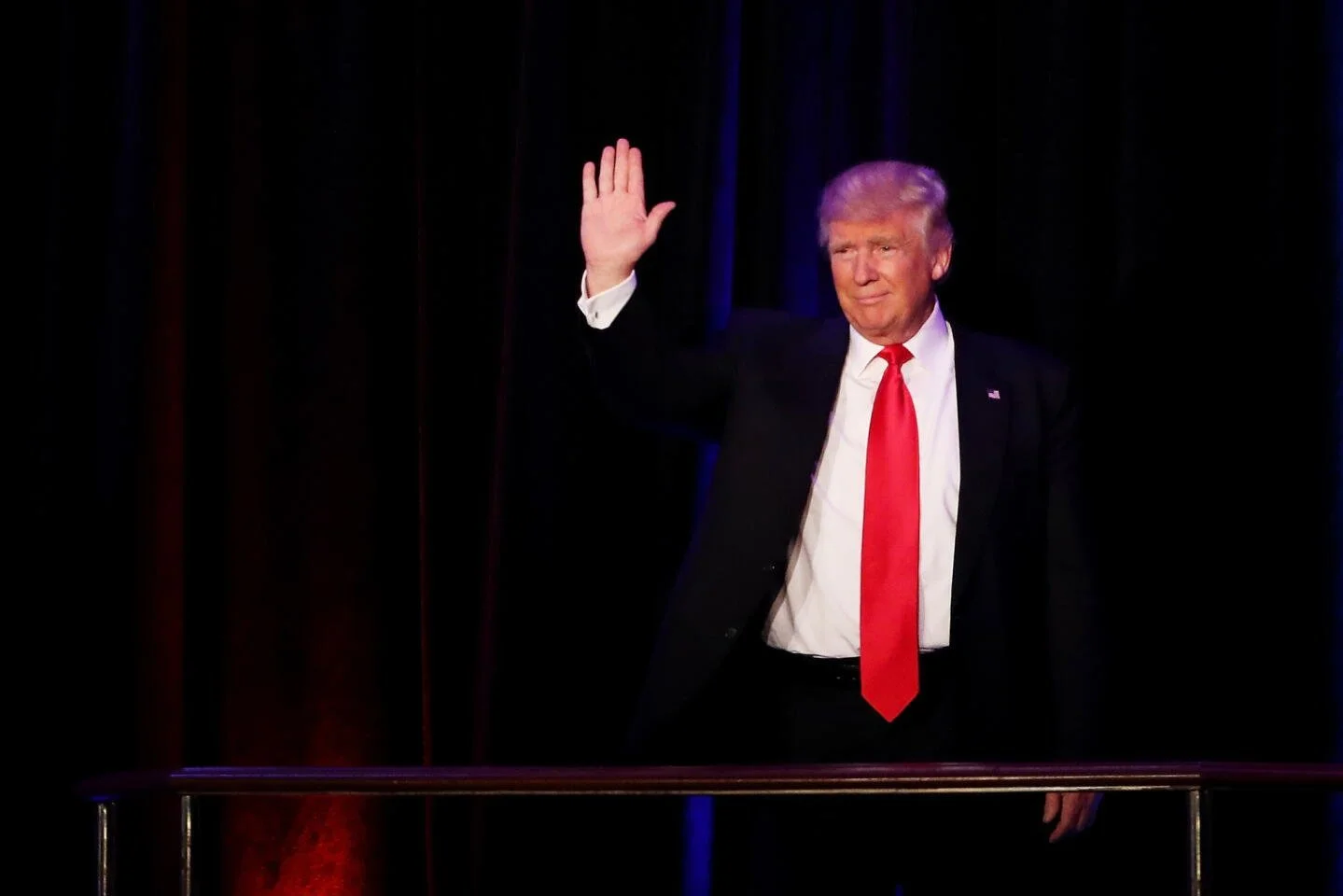
Today marks ten full years since Donald Trump won the Presidency for the first time on November 8, 2016. I recall having to leave the house and go eat some ice cream midway through the evening, just to be anywhere other than in front of the TV; when I came back, Trump’s victory rally was playing You Can’t Always Get What You Want, in what I had to admit was a cheeky and appropriate bit of programming from the campaign. Physically, I felt as though I were in an elevator in free fall, and I didn’t know when or if it would hit the ground.
At the start of the election campaigning in 2015, the idea of one Trump Presidency, much less two, would have seemed obscene if it hadn’t also been too preposterous to engage with as anything more than a joke. Bear in mind, that is how normal people felt before Trump came down the escalator and opened his mouth and began saying and doing all of the horrible things we have heard and seen over the last decade. He didn’t start out with the benefit of the doubt; he was already bad and unqualified, and he has only gotten steadily worse with time. That, at least, was the normal view among anyone seriously discussing or working in politics in May of 2015 – including basically every professional Republican.
A year and a half later, when Americans elected Trump President, the same professional Republicans had by and large abandoned their earlier views – or at least, they had built over them with a falsework most knew was hypocrisy – though as the years ticked by and they lived in it, I am guessing most sank deeper into the groove worn by their repeated decisions and re-commitments to Trump, and eventually the false opinion swallowed up what had been their true opinions, along with any remaining scantling of their integrity. They retconned their priors about what a normal President, or normal politics, looked like. I never did. As the world lurched out of balance, I locked my sense of political norms into place, and they have been largely pegged to 2015 ever since. I did this because I did not want the public’s gradual acceptance of Trump as a normal President, which I assumed would accrete onto the American psyche simply from the fact of him being President, to erode my own standards of political decency.
Watching Trump’s rally that night of November 8th, I distinctly remember one thought growing in me to overshadow all others: that because they had gotten away with it and won they election, the Republican Party would never actually learn their lesson and admit that supporting Trump had been wrong. The only way there would be political consequences that would bring home to Republicans that they had sinned, was if their Party were politically destroyed; an outcome I have always known to be unlikely. Unable to control what happens in American politics beyond myself, then, I have made sure to remember how I felt that night, how I permanently lost respect for millions of my fellow citizens, and how I resolved that whatever else happened, the GOP was dead to me.
This is why I sometimes seem unaccountably harsh about politics, in a way I would never accept on any other subject. I don’t mean to justify all of it, I recognize I sometimes am angry in a way that is wrong, for many different reasons. But I think what confuses people of otherwise good will on the right who encounter people like me, who used to champion bipartisanship and moderation and yet who now seem so politically intolerant, is that they think of themselves as existing within the Overton window of mainstream disagreement in American politics. And I suppose they are – they are within the Overton window of 2026, a window which has been dragged into hell over the last ten years. I won’t claim to be free of moral relativism – I suppose no one is wholly free of it – but I am trying to maintain a consistent set of values and ideas about what is normal. I’m still someone who values comity and bipartisanship – by the standards of the late 20th century, read through the Overton window of 2015. I hope I treat the people I disagree with who have maintained those old standards of conservative integrity with the same warmth and good faith that I did when I was less liberal; but setting them aside, for better or worse I feel it is important to react to support for Trumpism and normalization of every cancerous nodule that has grown in the past ten aberrant years with the same kind of shock and outrage that it would have received in 2015. This is my own form of conservatism.
