Archive
- October 2026
- September 2026
- August 2026
- July 2026
- May 2026
- April 2026
- March 2026
- February 2026
- January 2026
- November 2025
- October 2025
- September 2025
- August 2025
- July 2025
- June 2025
- May 2025
- April 2025
- March 2025
- February 2025
- January 2025
- December 2024
- November 2024
- October 2024
- August 2024
- July 2024
- June 2024
- April 2024
- March 2024
- February 2024
- January 2024
- December 2023
- November 2023
- October 2023
- September 2023
- August 2023
- April 2023
- March 2023
- January 2023
- September 2022
- August 2022
- April 2021
- March 2021
- February 2021
- January 2021
- December 2020
Music in March 2026
· Yes, I did put The Dark Is Rising in largely because of its sweeping overture, but it really does sweep.
· The New Pornographers are the only ones I can recommend – and strongly.
· Oom Sha La La peaks in a resolution to garden that I think many of us could benefit from adopting.
· I really enjoy the strange chorale elements of That White Cat.
· I always appreciate how CHVRCHES sounds like how an icy beverage feels on a bright crisp fall day.
· To call Haute & Freddy’s 2026 album Big Disgrace theatrical and operatic is perhaps an understatement.
· I keep going back to Yellowcard’s 2003 classic Ocean Avenue to pull different songs out and feel beautifully melancholy.
· Buck Meek’s Can I Mend It? is a beautiful song with a backing track that really fascinates me. Impossible not to sing along while driving down the highway with the windows down.
· Put the Message in the Box, a collaboration between Mary Chapin Carpenter and The Mountain Goats is also perfect for rolling meditatively down the road.
· Yuki no Shingun or The Snow March is a march with a fascinating history – it originated during the First Sino-Japanese War as a sort of complaint about miserable conditions and disappointment with the war; four decades later, the song was banned in the Imperial Japanese Army because soldiers were singing it to again express dissatisfaction with the war. It may sound upbeat, but here is one translation of the lyrics:
Marching in the snow, stepping on ice
We can't even tell passages from rivers
The horses are beaten, but we can't leave them
Just what is this place? It's all enemy territory
Tried to take a cigarette thinking 'Well the hell with it.'
I'll be damned. Why there is another?
Dried fishes are not dry enough, and the rice won't be cooked enough.
It's not long before we're living half-boiled days
For this cold can't be endured with just a bonfire
It will definitely smoke but the wet wood burns.
Putting on a sour face, saying the stories of valor.
The "sour" thing here's a pickled plum
The clothes we wear are our carefree beds
We cover under our overcoats on knapsack pillows
With the warmth of our backs, the snow thaws
Soaking wet our millet-husk bedding
We can't dream of dreaming in the bivouacs
The moon peeks into, coldly
As we came here in debt of our lives
We charged with death resolution
If the fortunes of war betrayed us, and we survived the battle
The consolation packages entwined with loyalty
Slowly, slowly, would try to strangle us
Anyhow, the superiors won't let us go home alive
· Victoria Williams’ 1994 album Loose is really special.
· I kind of can’t believe I wasn’t already familiar with the masterpiece that is Hammond Song.
· Meat Loaf may have named himself after a tv dinner and dedicated his talent to mostly singing about teenage Boomers having sex in cars, but there’s no denying that objects in the rear view mirror really may appear closer than they are, and I find that deeply moving.
Shows I Watched in 2025
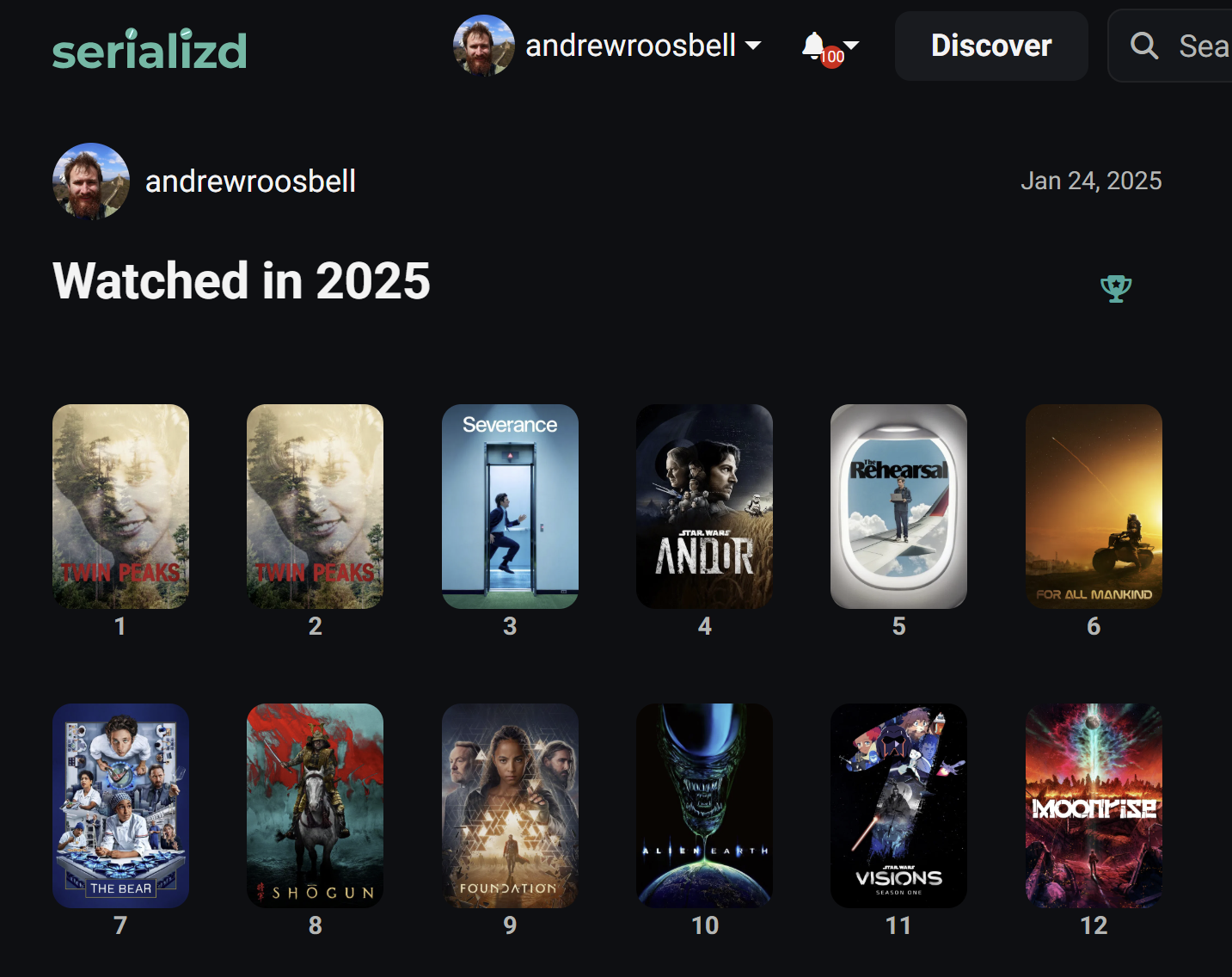
Now that it’s officially Q4 of 2026, it’s time for me to finally get around to posting the list of TV shows I watched – in 2025. Not shows from 2025, just shows I watched last year, which I’ve been sitting on for nine months just getting around to posting. Tale as old as time. As usual, I didn’t watch that many shows – they take such a long time, and I watch so many movies instead; still I wanted to share what I did get to, ranked, in ascending order of quality: https://www.serializd.com/list/Watched-in-2025-259953
12. Moonrise
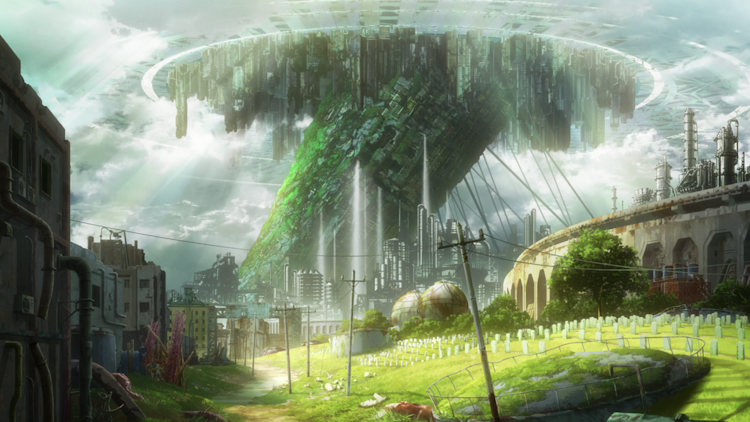
Moonrise might be produced by Wit Studio of Attack on Titan fame, but unfortunately this microwaved remix of the standard lunar revolution plot that has been done better elsewhere is about a dramatically inert as a car commercial, reminding the viewer throughout that it is cobbled together from desaturated scraps of other shows that I’d much rather be watching.
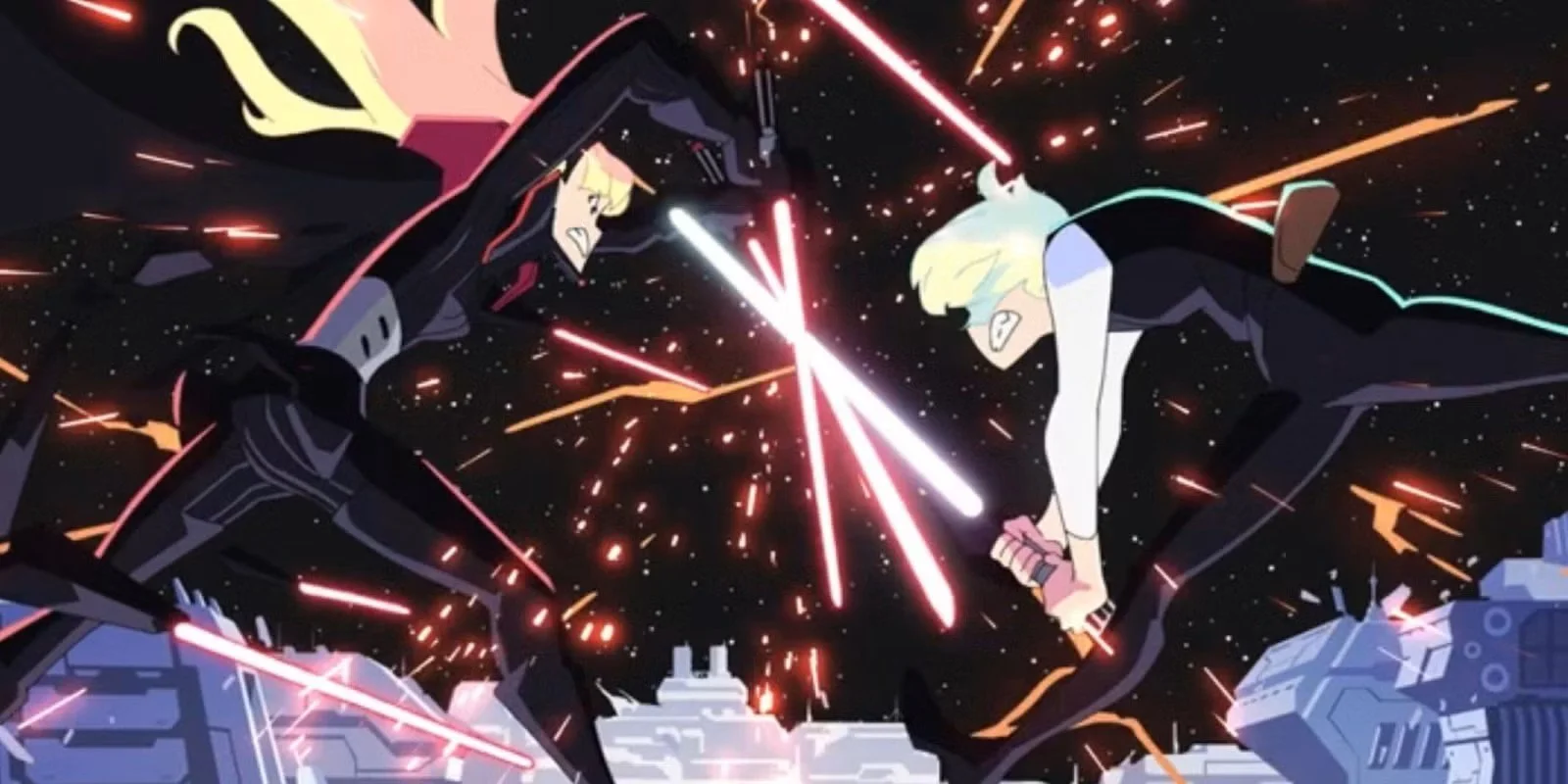
11. Star Wars: Visions

I’ll give Disney credit for pursuing a good idea and inviting accomplished animation studios to take a crack at Star Wars, and some of these are fun or flashy to look at, but ultimately it’s a missed opportunity. The shorts hew so close to the standard tropes that they aren’t interesting, and they are artistically elevated only by the style of each studio’s animation – and the problem with that is that I’ve seen most of these studios do far better work on their own, without this IP.
10. Alien: Earth
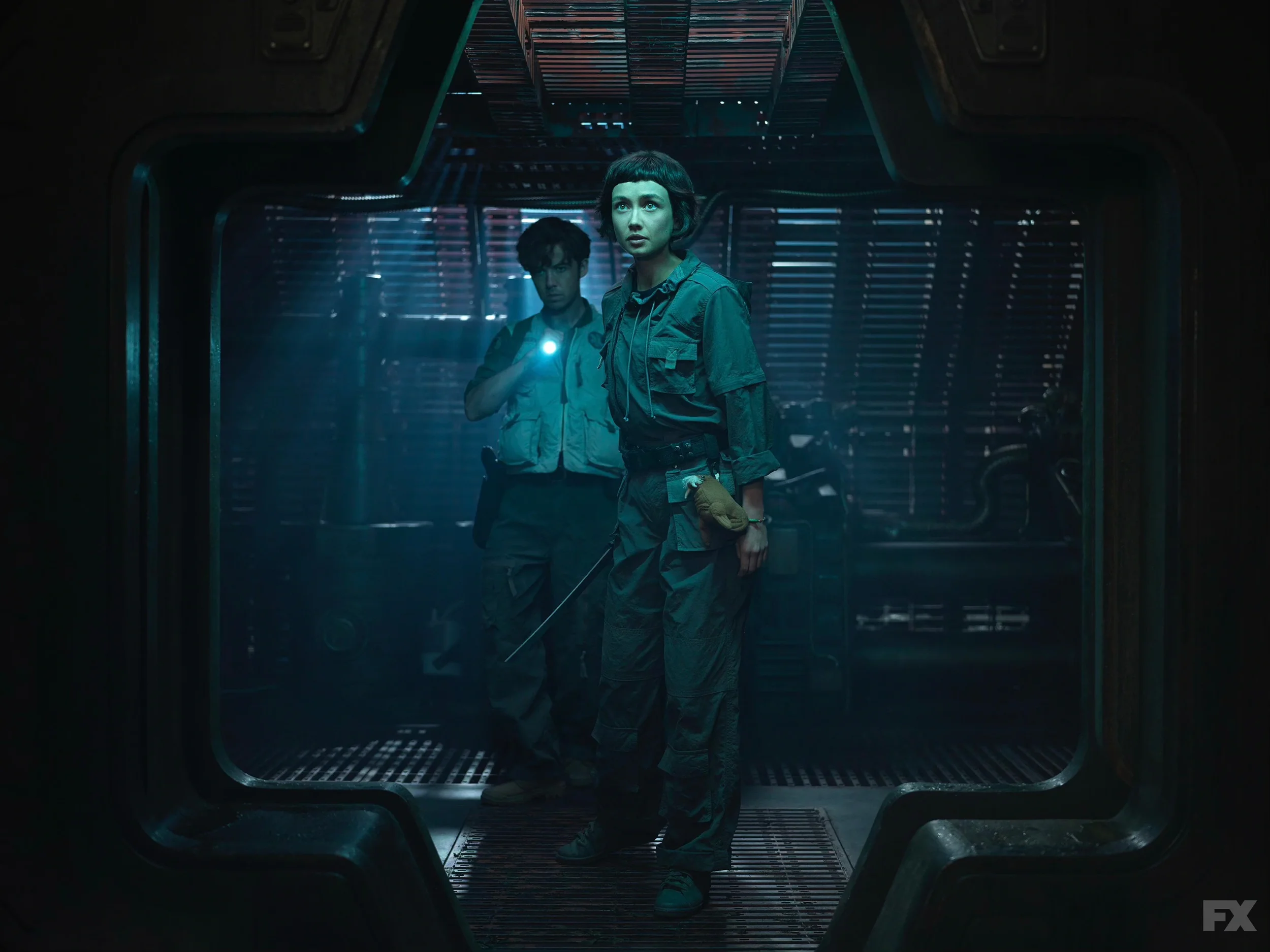
This is a frustrating show. It has the conceptual elements of something interesting: a strange corporate geopolitics; a good lead performance by Sydney Chandler; a commendable willingness to pursue a plot that isn’t just alien horror but instead adds an interesting new sci-fi concept; and, of course, the promise of the premise. It is hampered by flat writing, by a baffling inability to photograph the xenomorph in a way even remotely as scary as the movies, and most of all, by failing to deliver on its premise. The whole juice of a show about the xenomorph on earth ought to be that if one of these things ever makes landfall, that’s the end of the world and the beginning of nightmares. If that’s where the show is planning to go, I think they’ve already blown the pacing and the seriousness of that threat, and in so doing they’ve completely deflated their dramatic hook.
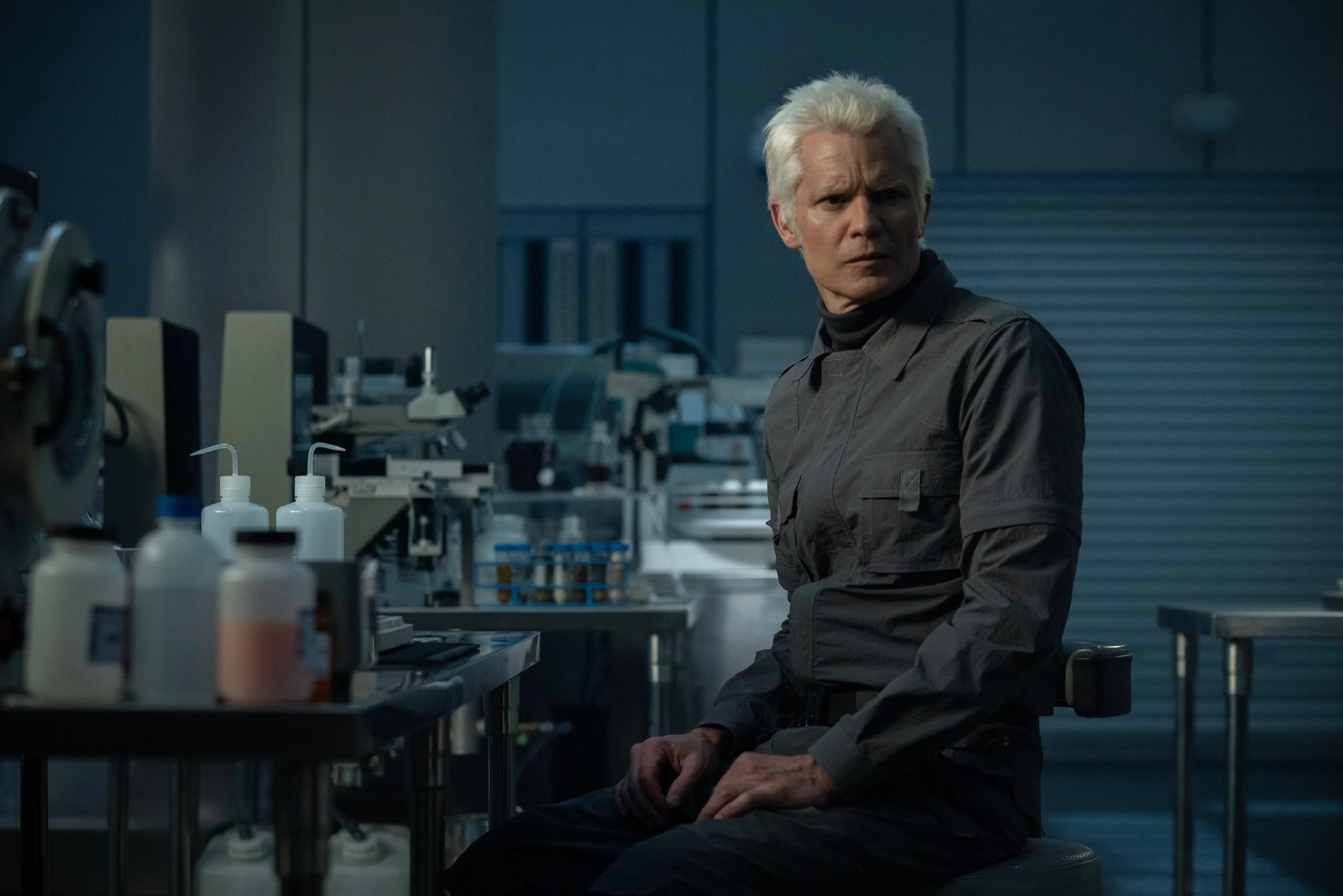
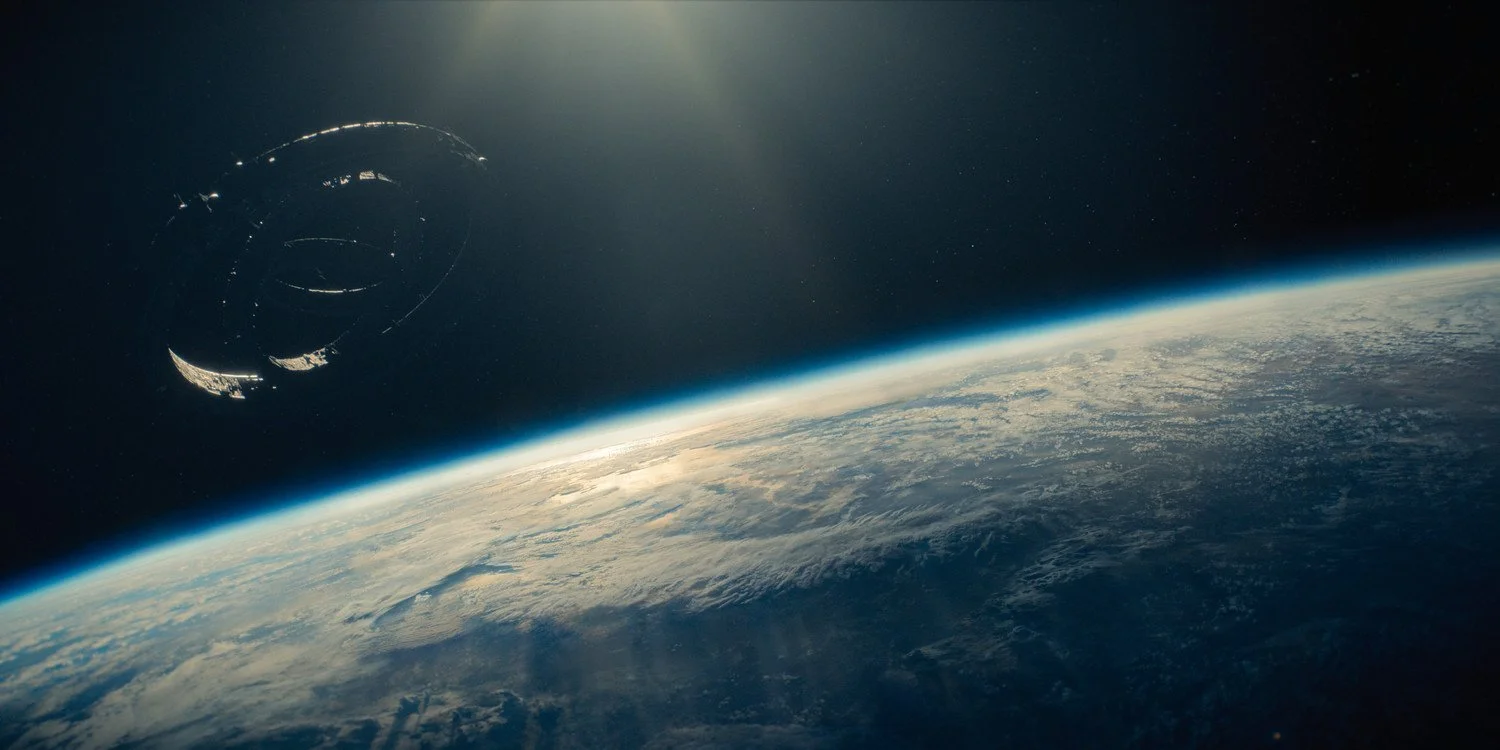
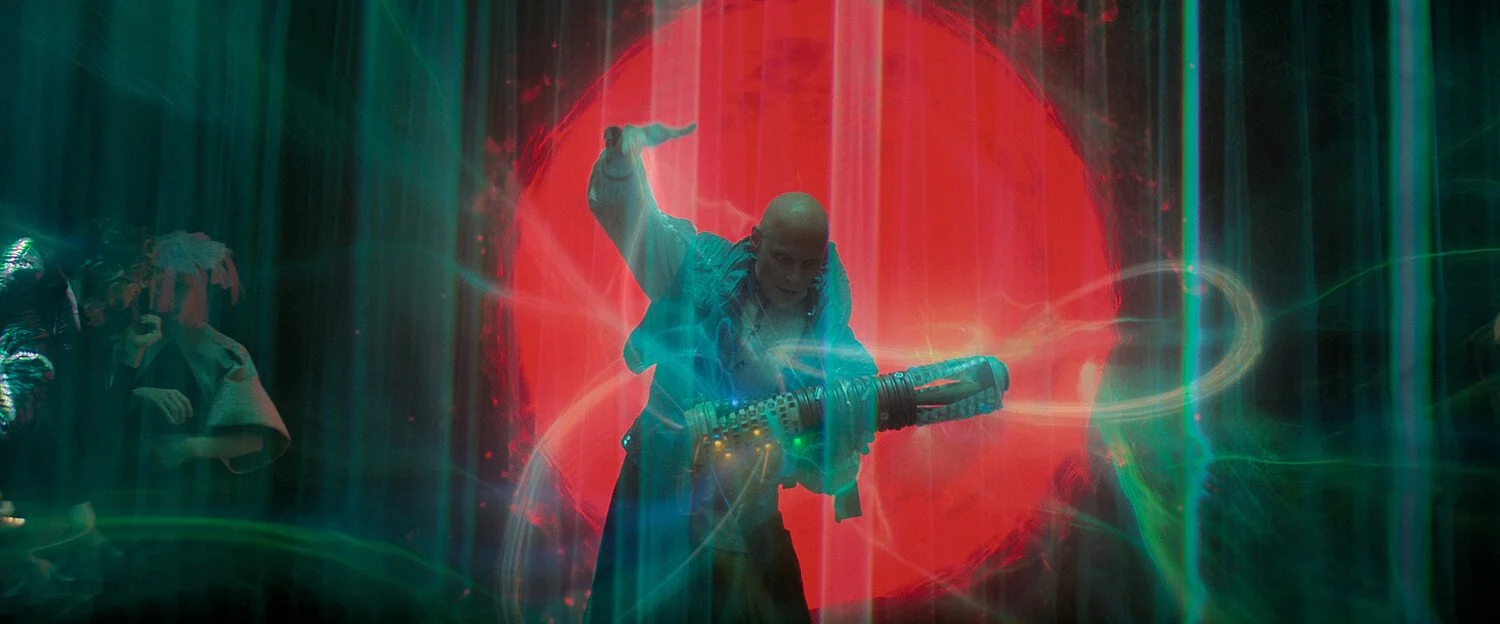
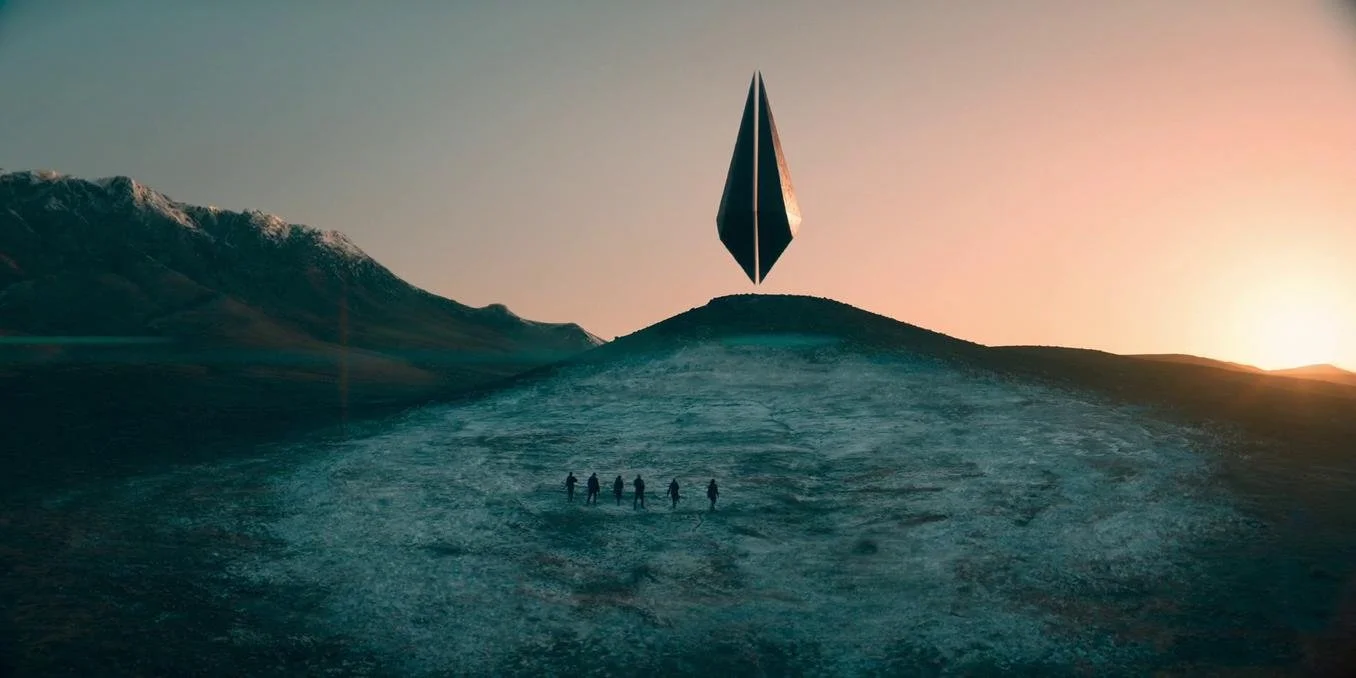
9. Foundation
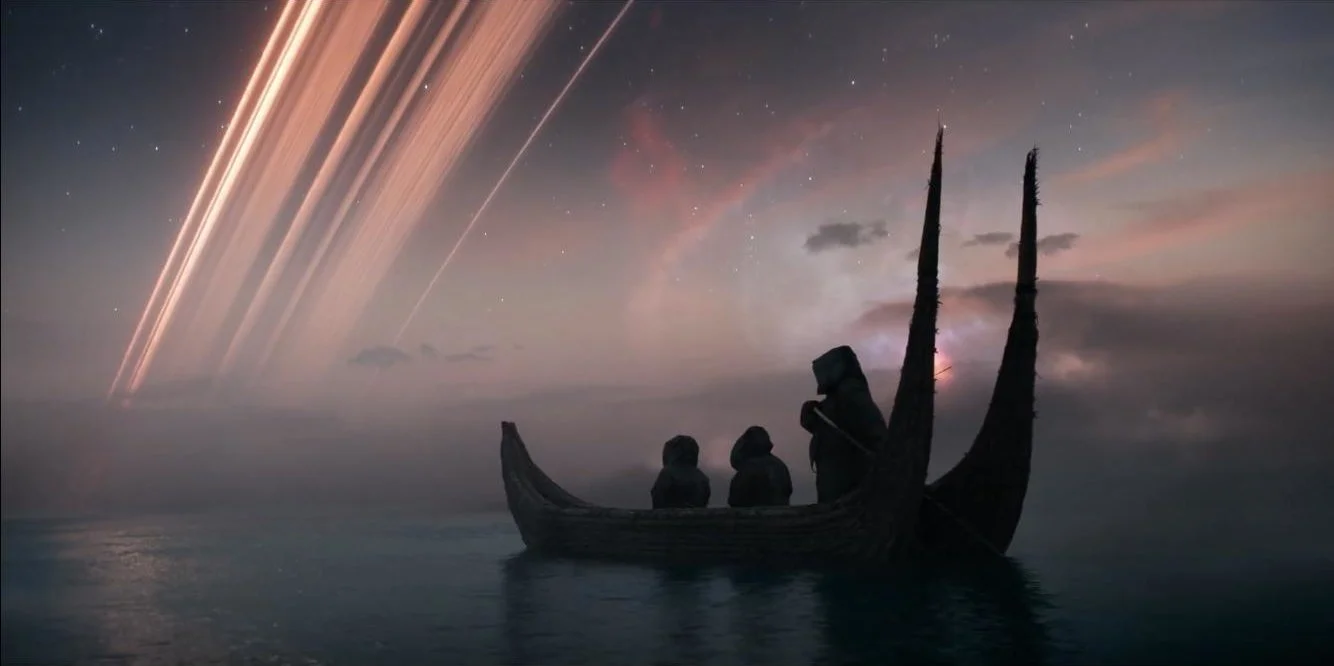
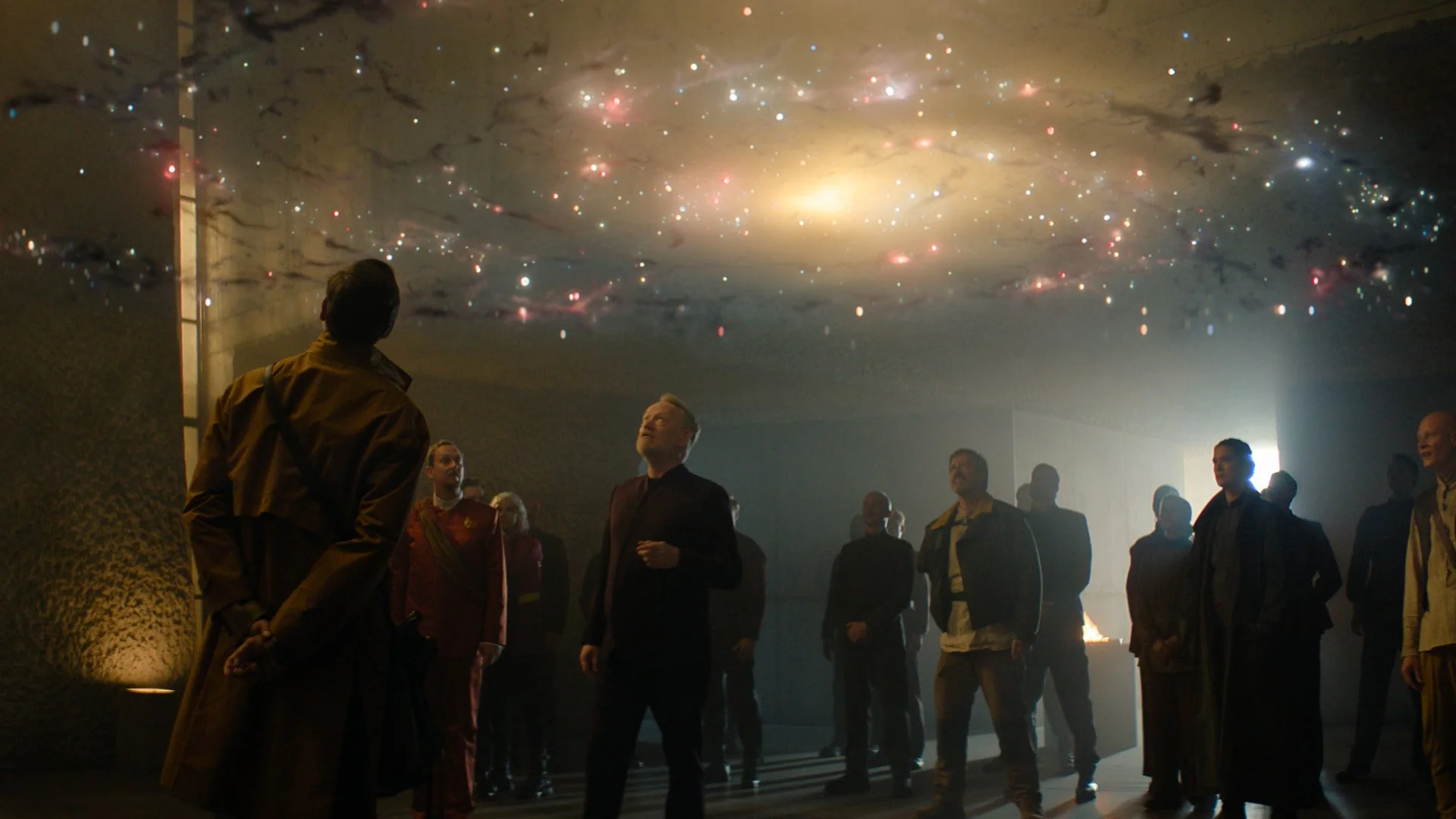
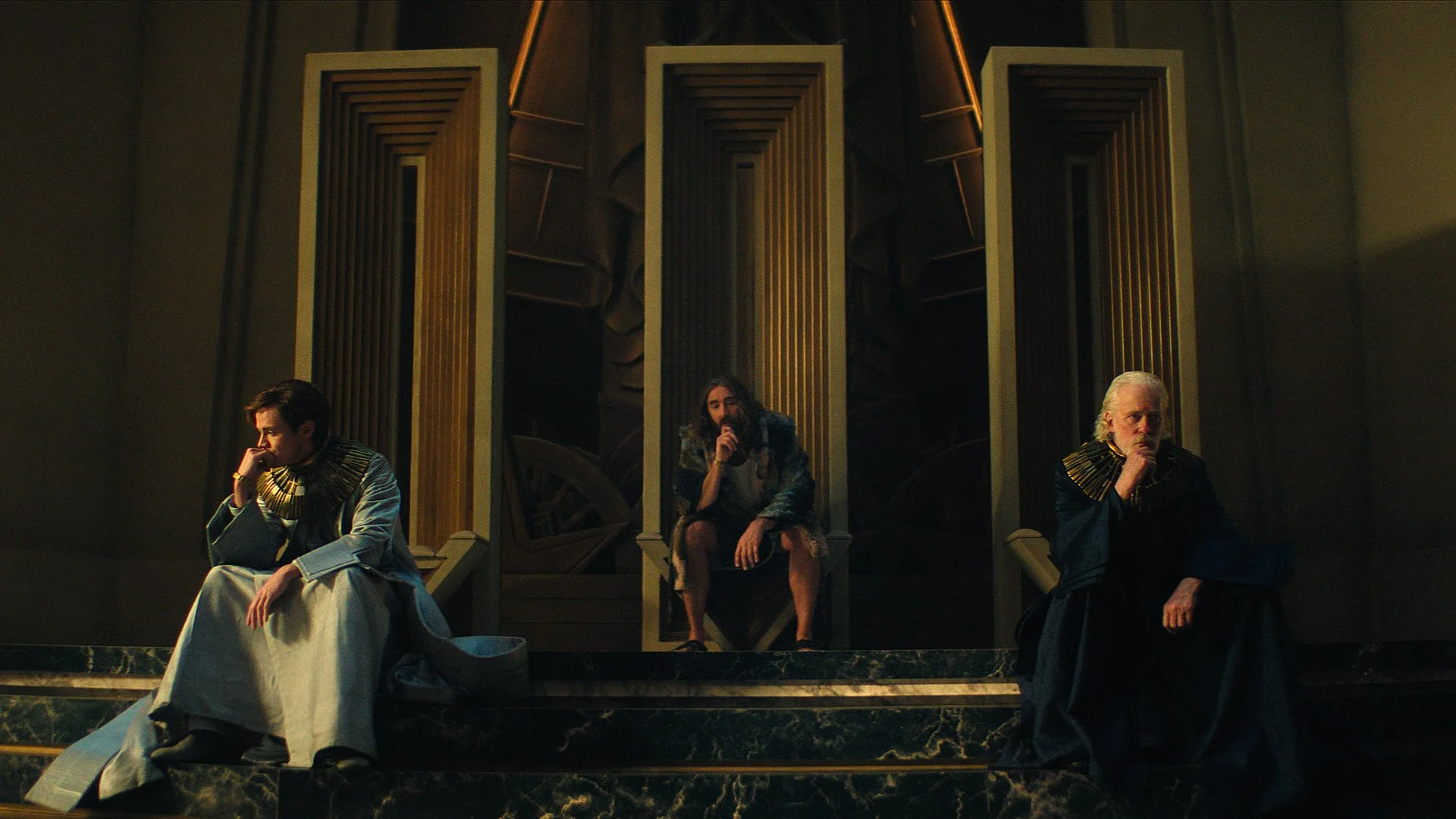
I watched the first two season of Foundation in 2025, and I have some problems with the show, but it’s a jump up from the ones before it on this list. The writing and execution of the characterization doesn’t provide enough of an on-ramp for the audience to catch up to where the actors want to go emotionally, so the human side of it struggles a bit. But, in fairness, the books also struggled on that front, and the characters always seemed a bit like pawns moved at the behest of the plot’s ideas. And grand ideas this does have, though the tenuous logic of psychohistory is undermined by the show’s determination to keep the characters coming back and freight individuals with weighty purpose. But goodness gracious does this show ever look amazing. I want the Foundation’s wardrobe, and I want their constellated twilight skies. And I want to watch Lee Pace strut about and declaim all his imperious nonsense – I could watch that all day.
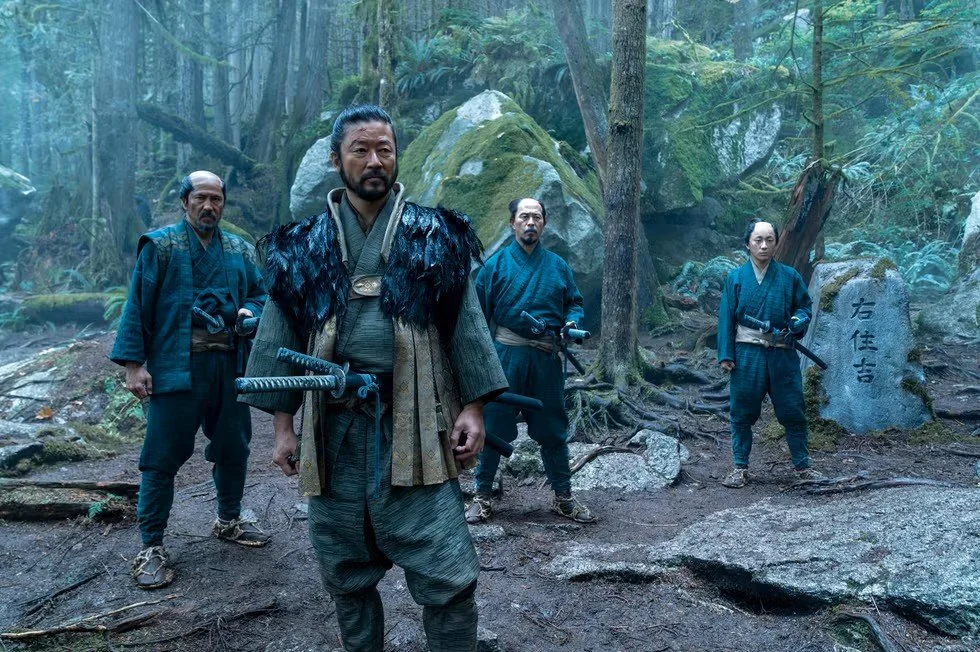
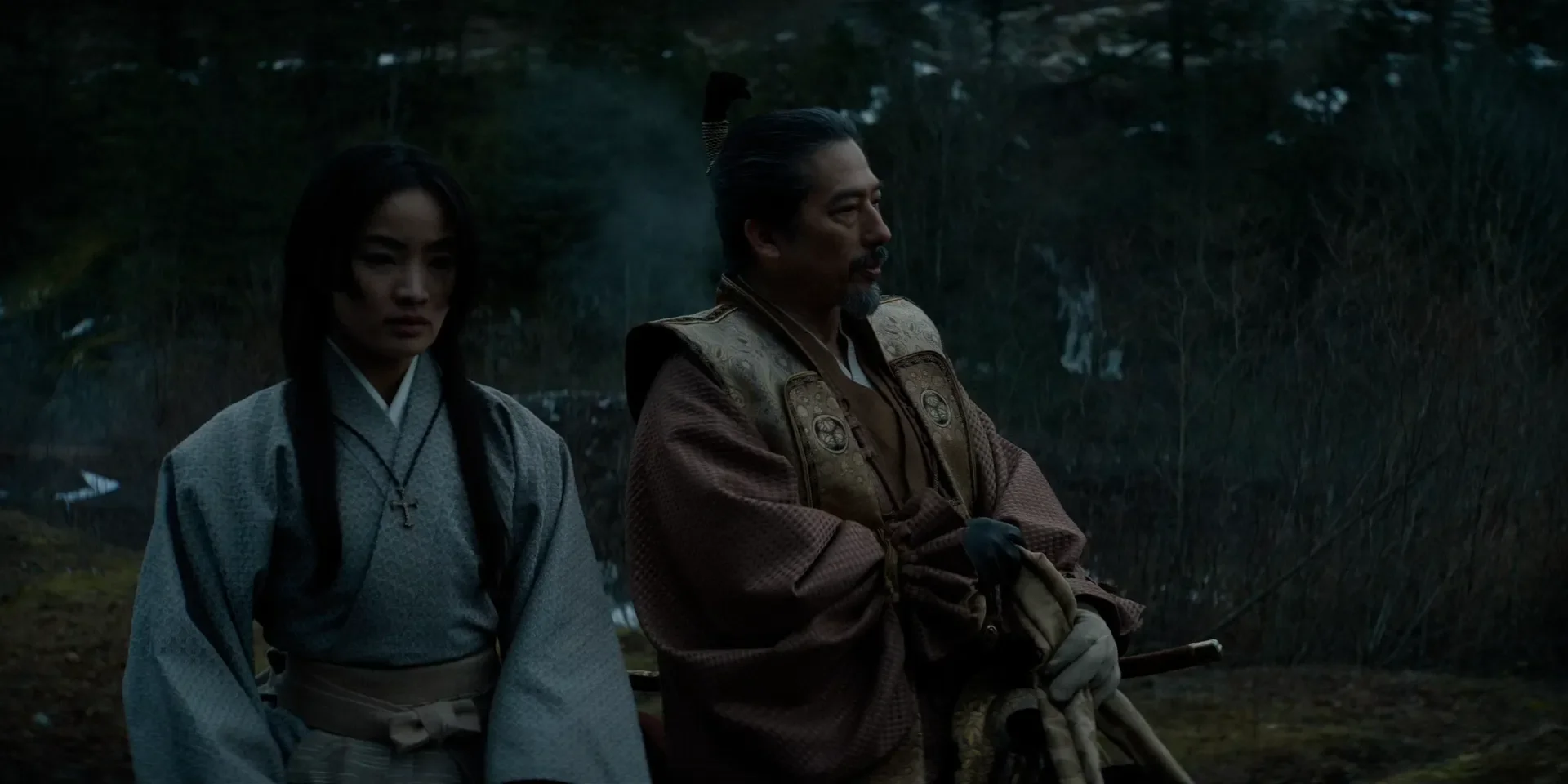
8. Shogun

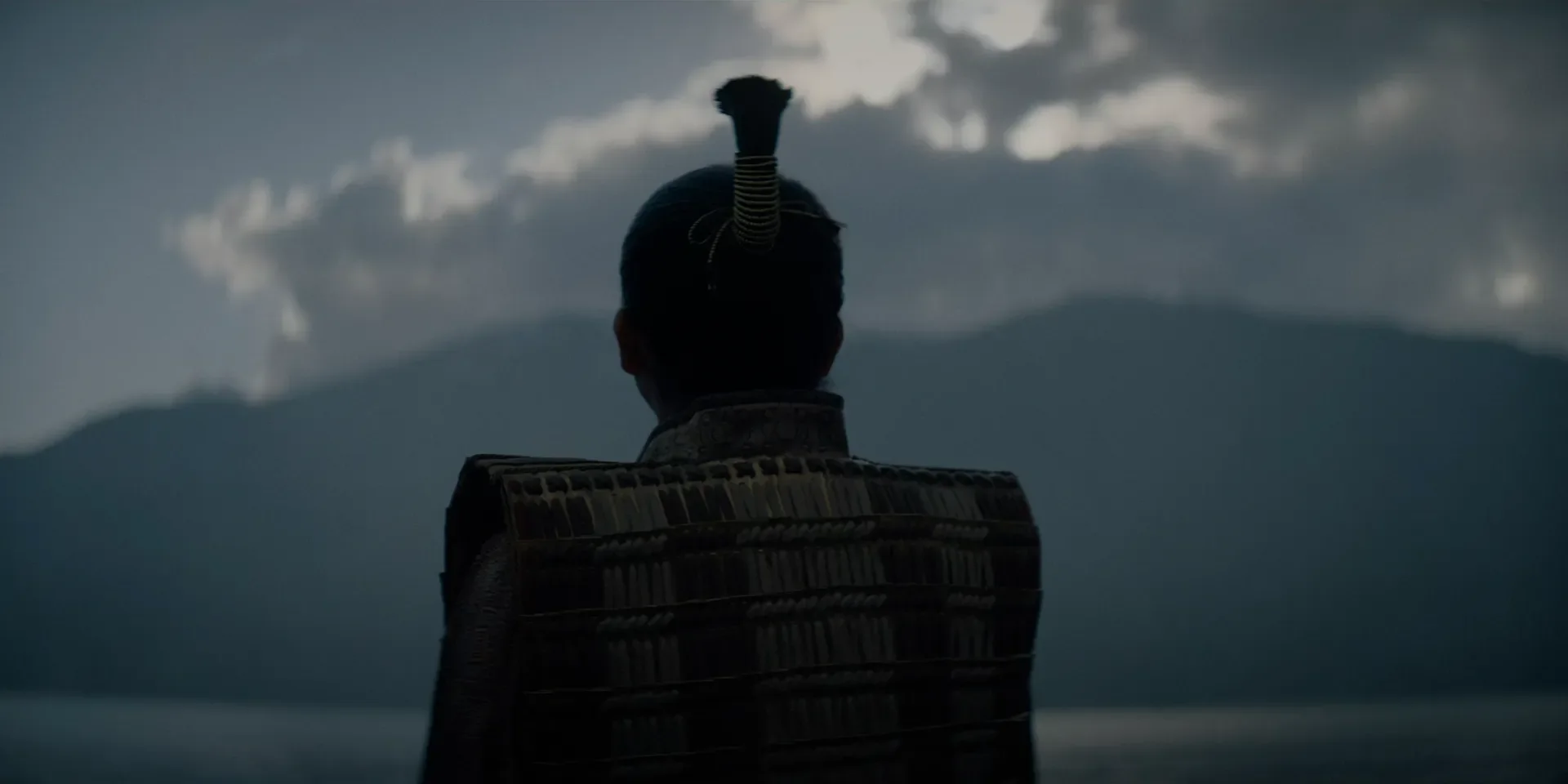
Shogun is very pretty, even if it does kind of have that fuzziness and greyness that you see more and more in modern shows. If you watch any of the good samurai movies, you’ll get better images; but the kimono here are pretty unbeatable. Aside from the costume designer, the show is stolen by Tadanobu Asano, who is a real delight every minute he’s on screen. I’ve watched a lot of samurai movies, and I’m used to them whipping their swords out at any excuse to kill themselves, but watching this I still came away shaking my head and thinking that this is truly what a real culture of death looks like.
https://www.youtube.com/watch?v=AN2SZ4H4Qzk
7. The Bear
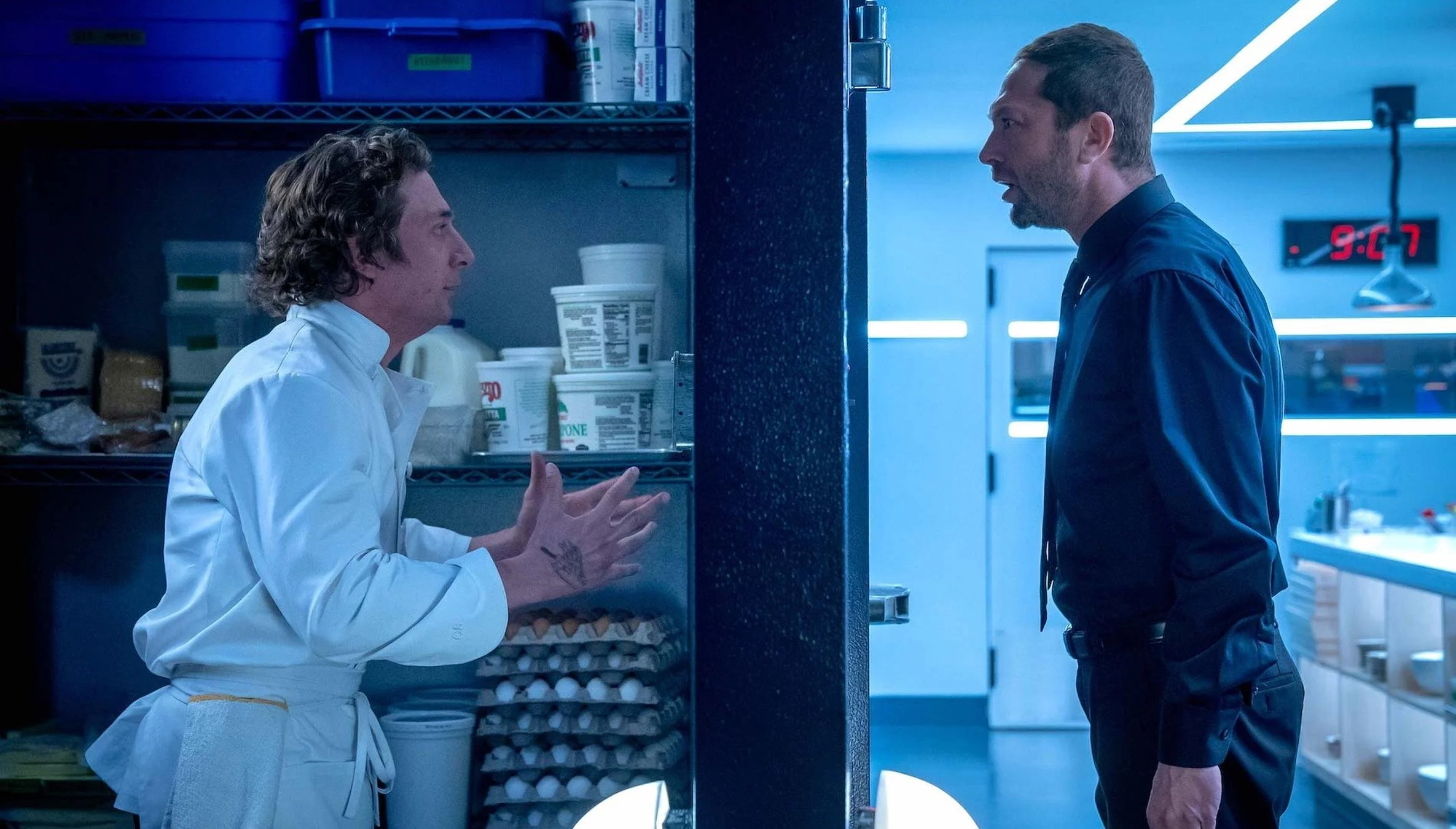
There are moments when The Bear is too loquacious and overwrought, but then there are a couple of episodes that individually are as good as any I’ve ever seen on TV. Besides that, I love the naked sincerity of a show in love with its subject, and I love everyone in this cast – especially Ebon!
https://www.youtube.com/watch?v=1K3z62yoiOA
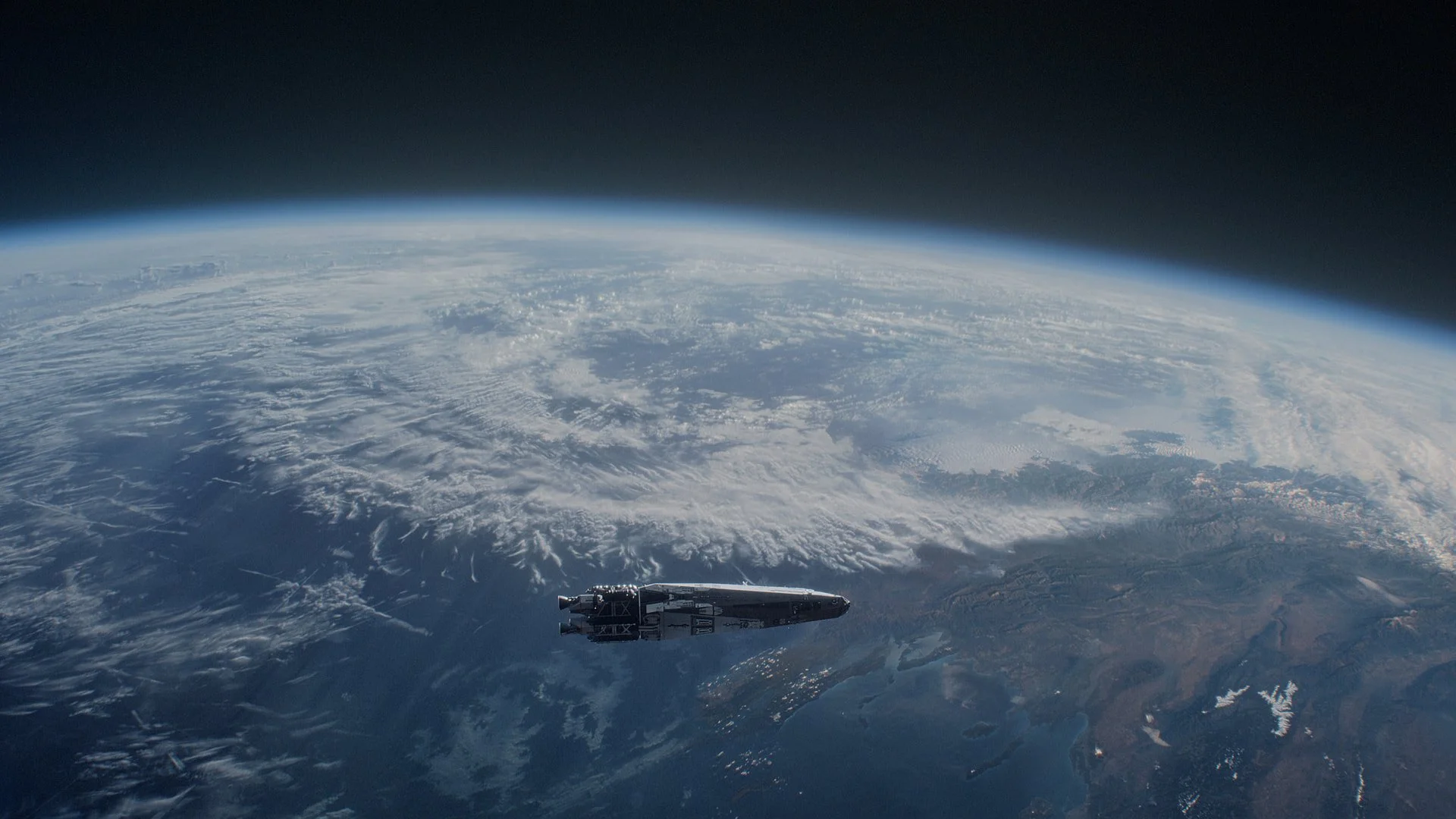
6. For All Mankind


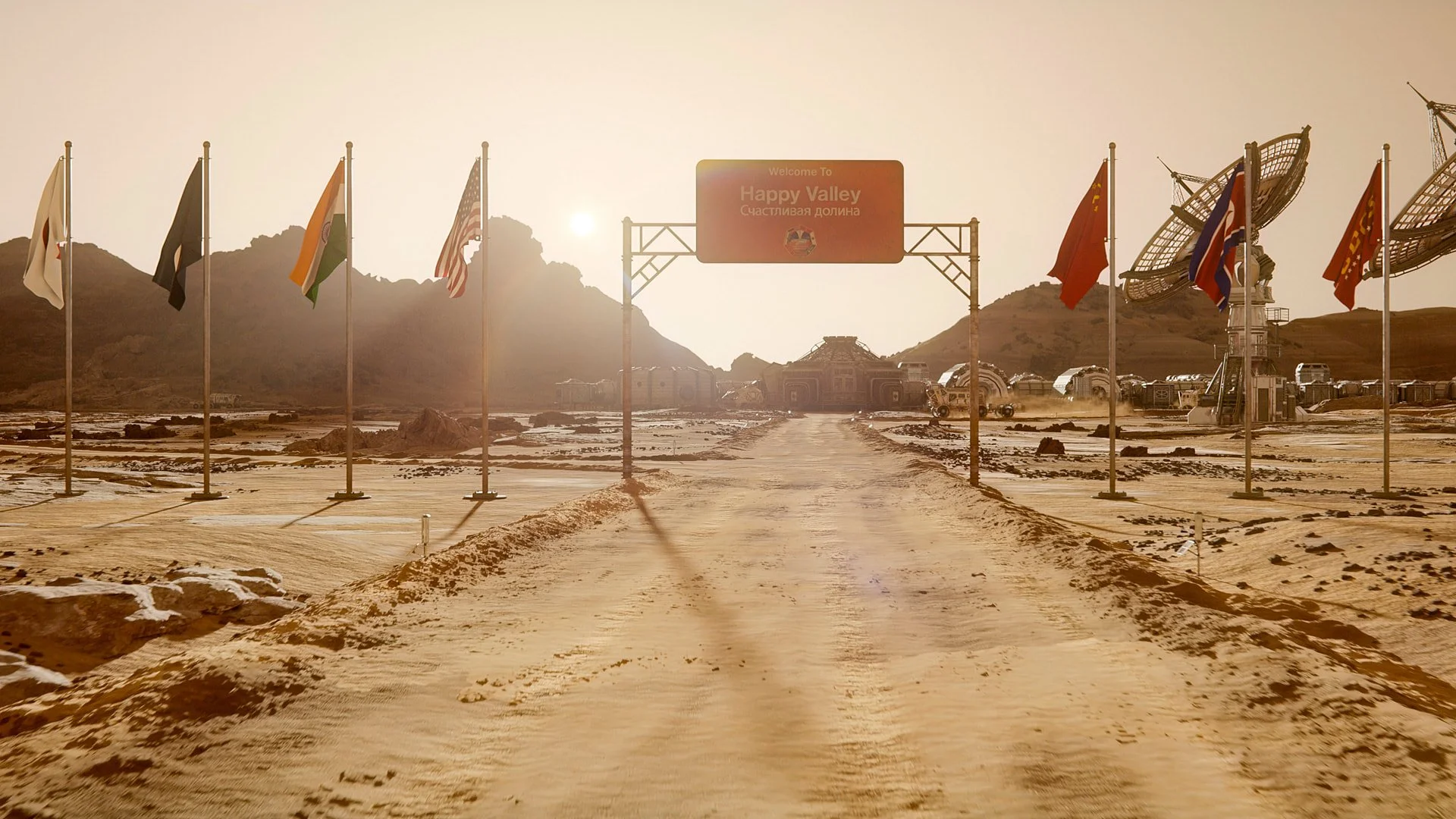
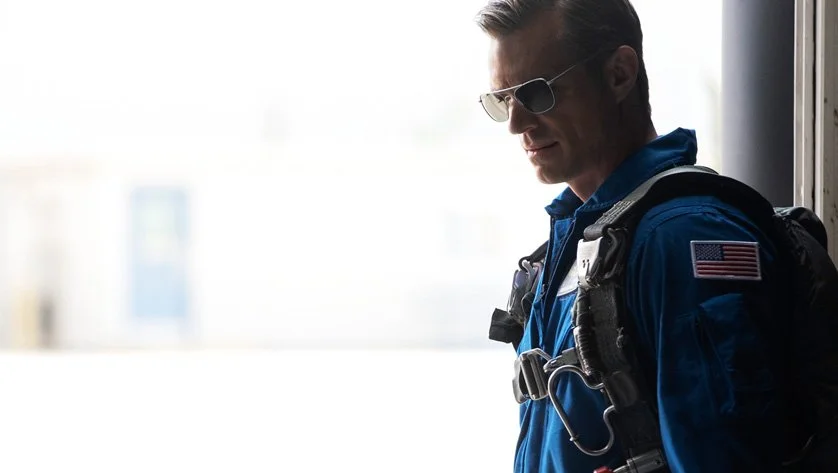
For All Mankind is perhaps actually my favorite of these shows, the one I enjoy as comfort food the most. It’s like crack for a ‘90s kid liberal who loved The West Wing, was catechized in Boomer historiography and the postwar consensus, and who longs achingly for the Space Age. It’s an alternate history made out of pure nostalgia, a kind of fantasy answer to Star Trek’s mirror universe, a world I’d like to live in – but it does all of this without becoming too silly or saccharine, and amazingly lands the spaceship again and again on planets of increasing apogee. I started the first season a few days after Trump’s return to power, and in that moment I found its depiction of people reckoning with shocking bad news that called their whole imagined future of the free world into question – reckoning with it, and moving forward, and rising above it – strangely meaningful.



5. The Rehearsal
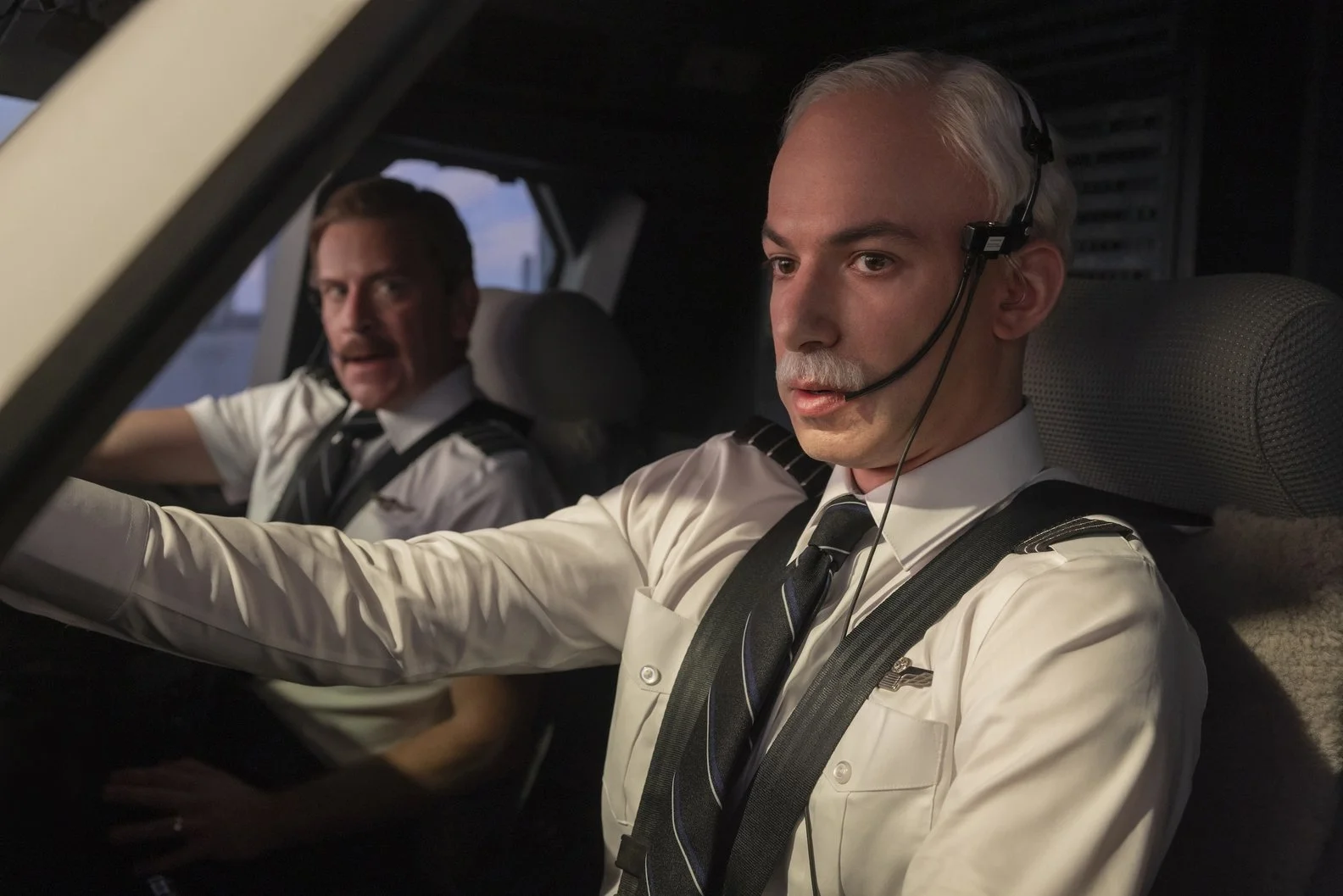

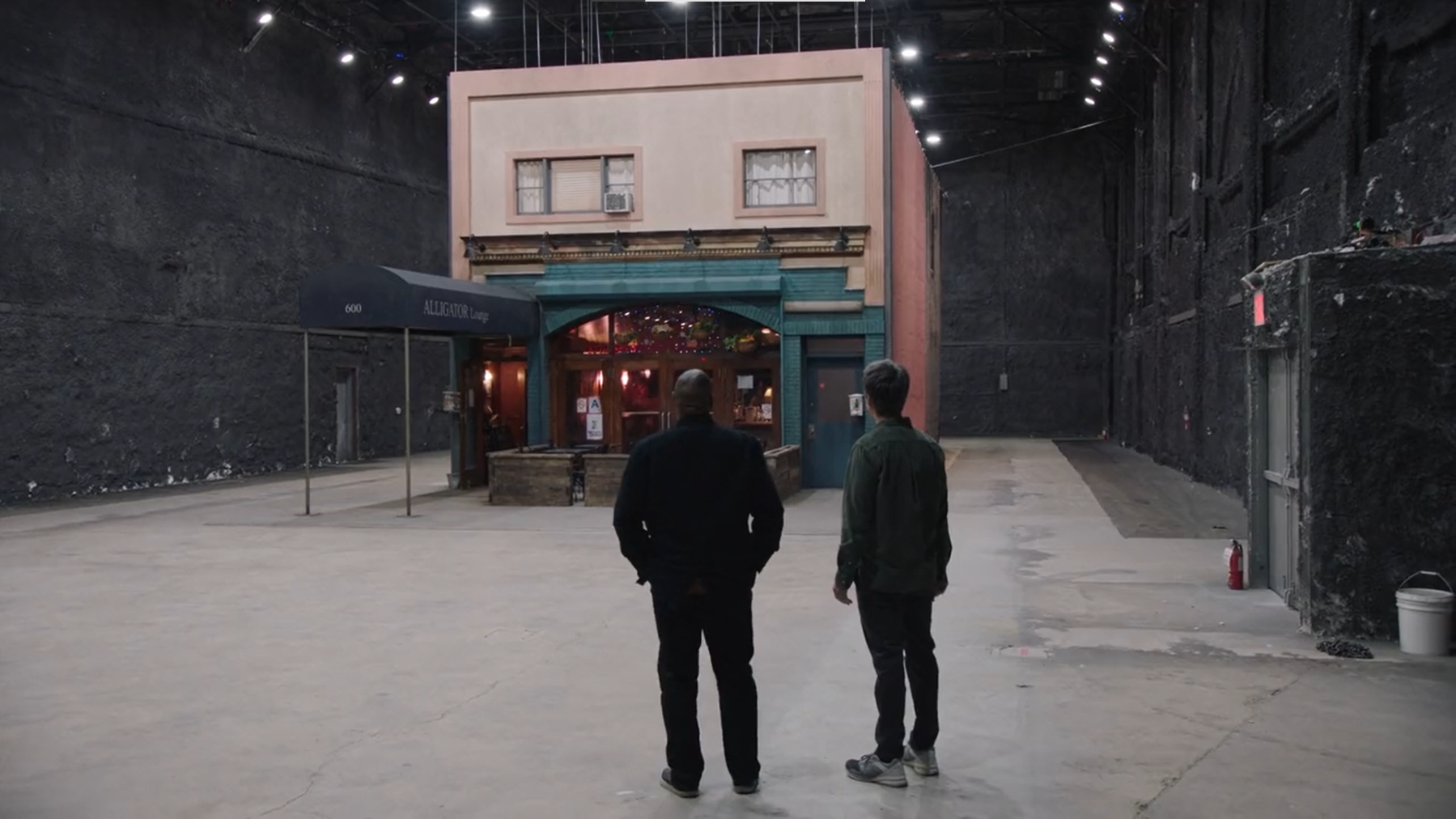
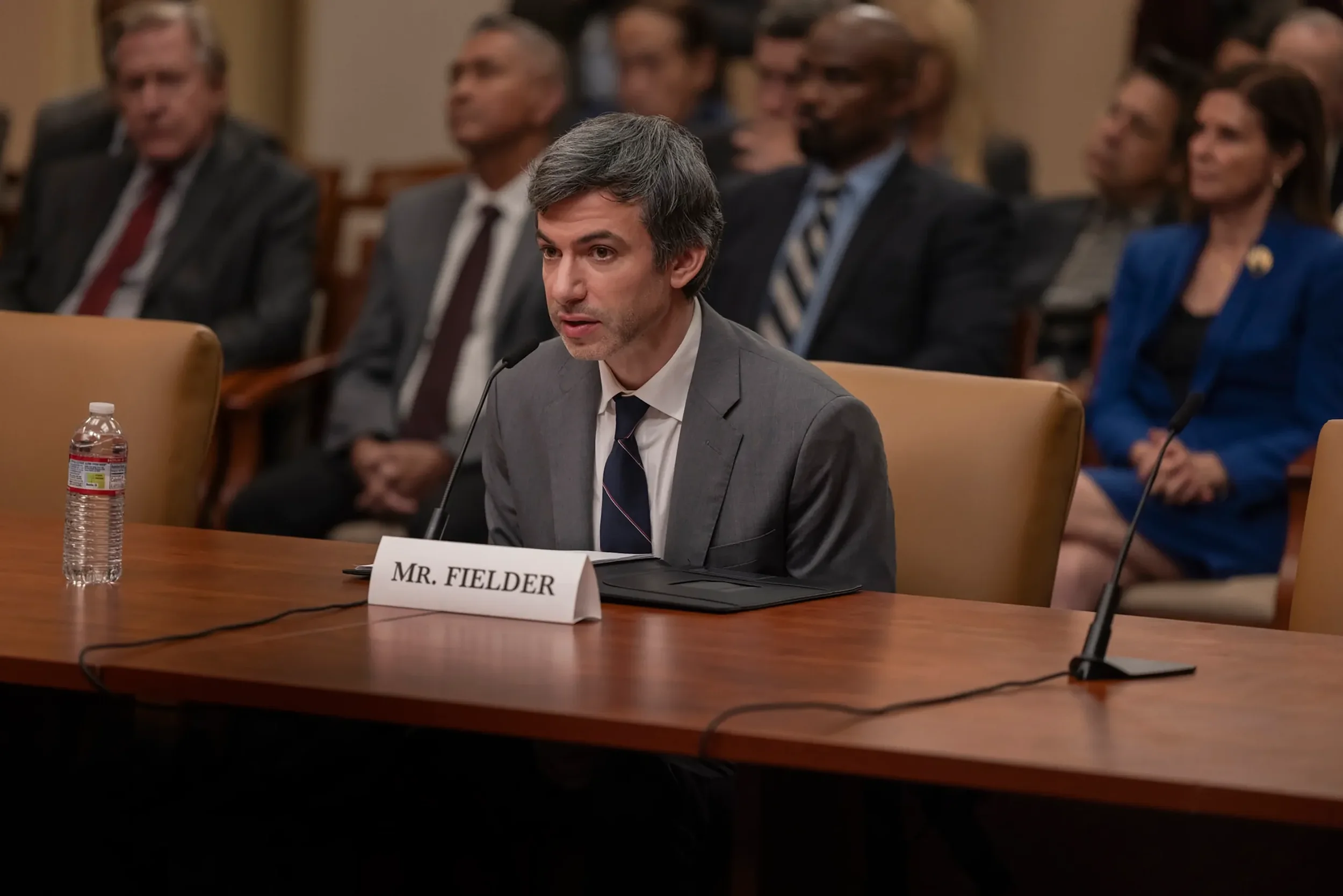
The Rehearsal isn’t just incredibly funny and awkward; it’s so committed to its bit that I genuinely question my understanding of what about it is calculated and what is sincere. The first season has Nathan Fielder, possibly the greatest Canadian to ever live, raising a child as an experiment, among other things. The second season is entirely about airline safety, and features attempts to induce the tulpa of Sully Sullenberger in Nathan; a depiction of the show’s own production company as Nazis; and culminates in a comedy TV show genuinely testifying before Congress on a serious matter unrelated to comedy or television.
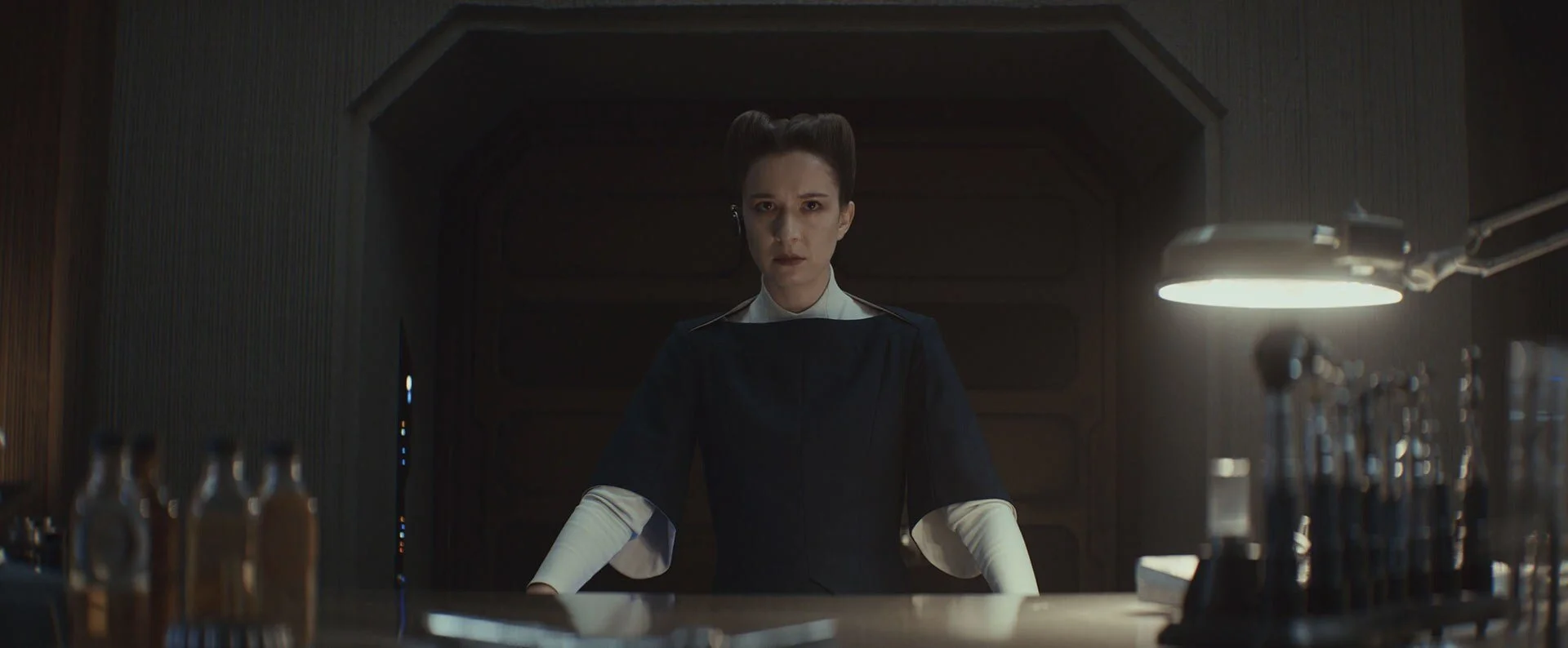
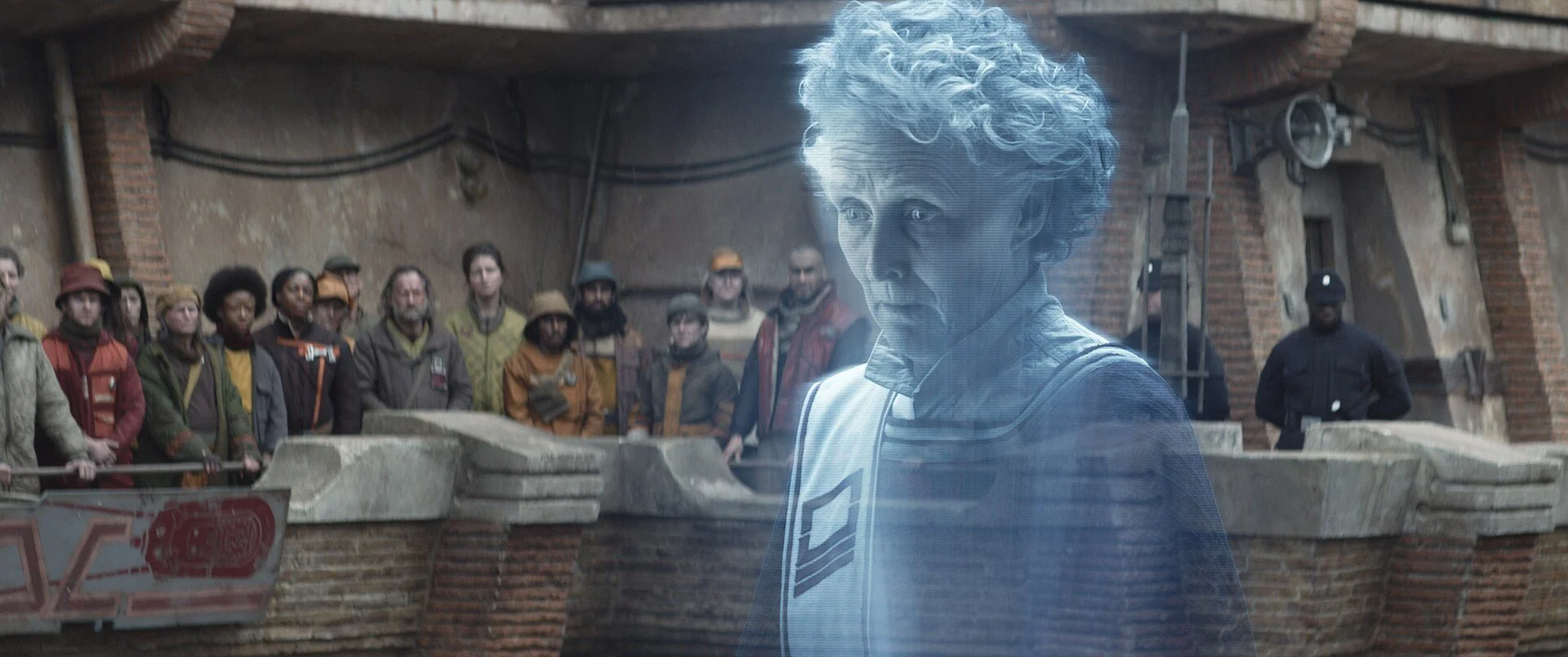
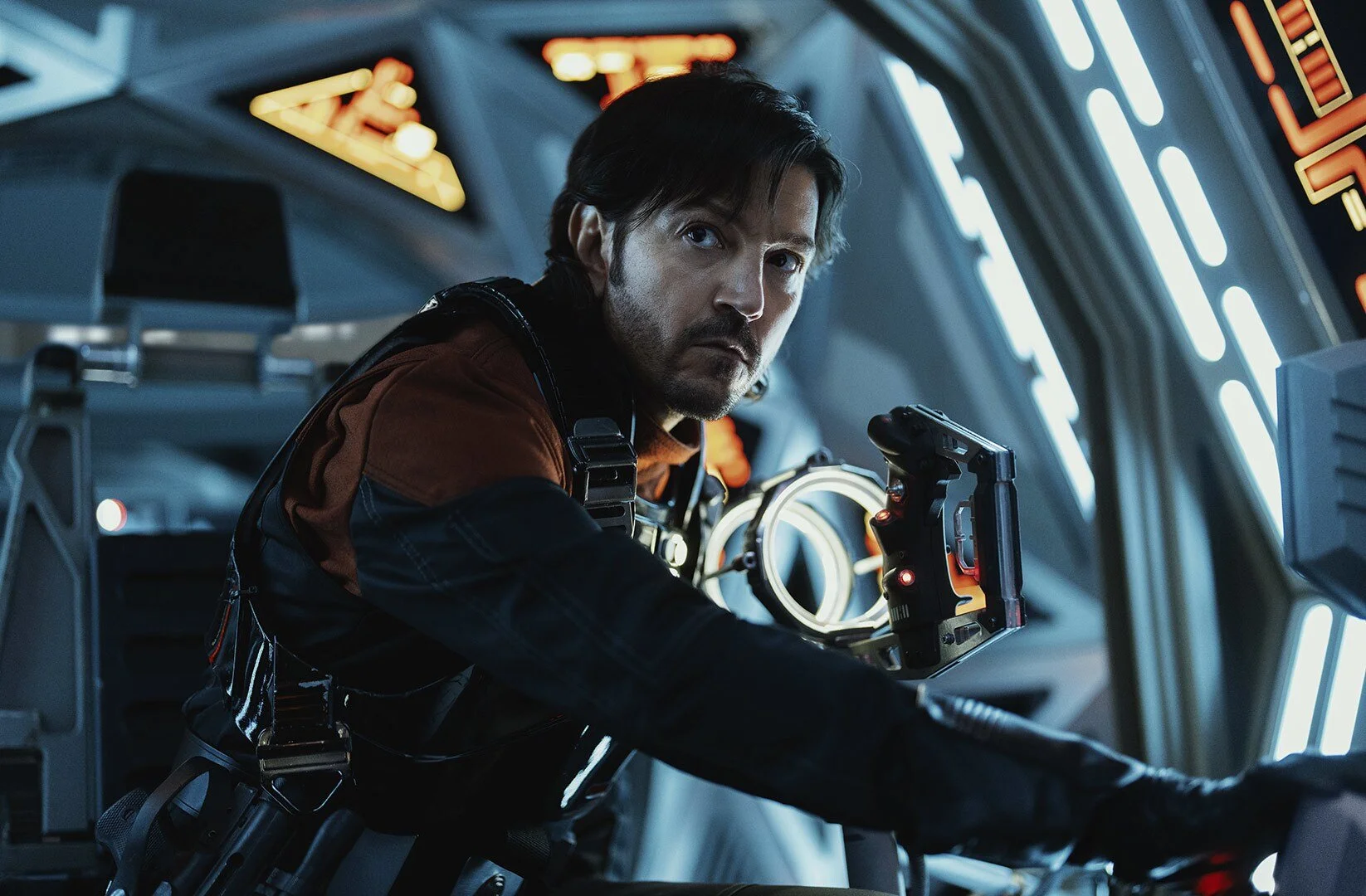
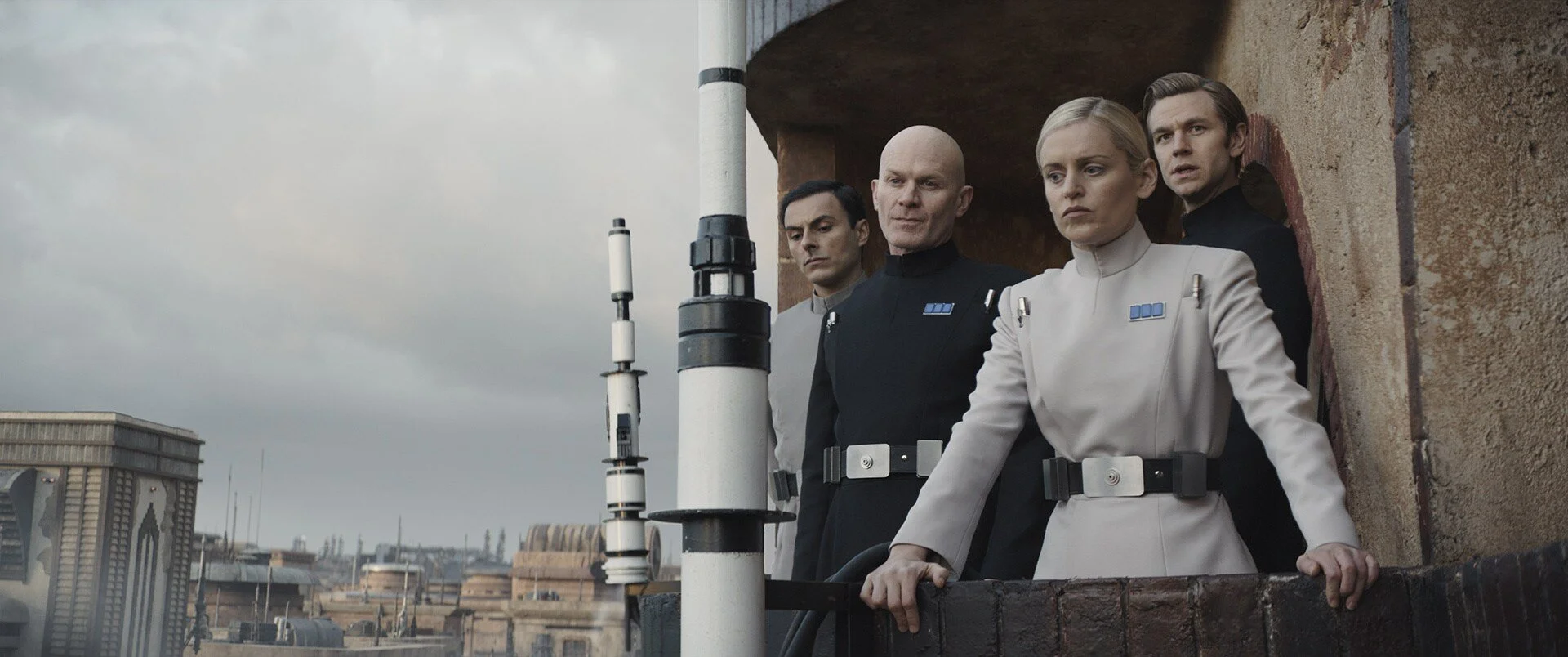
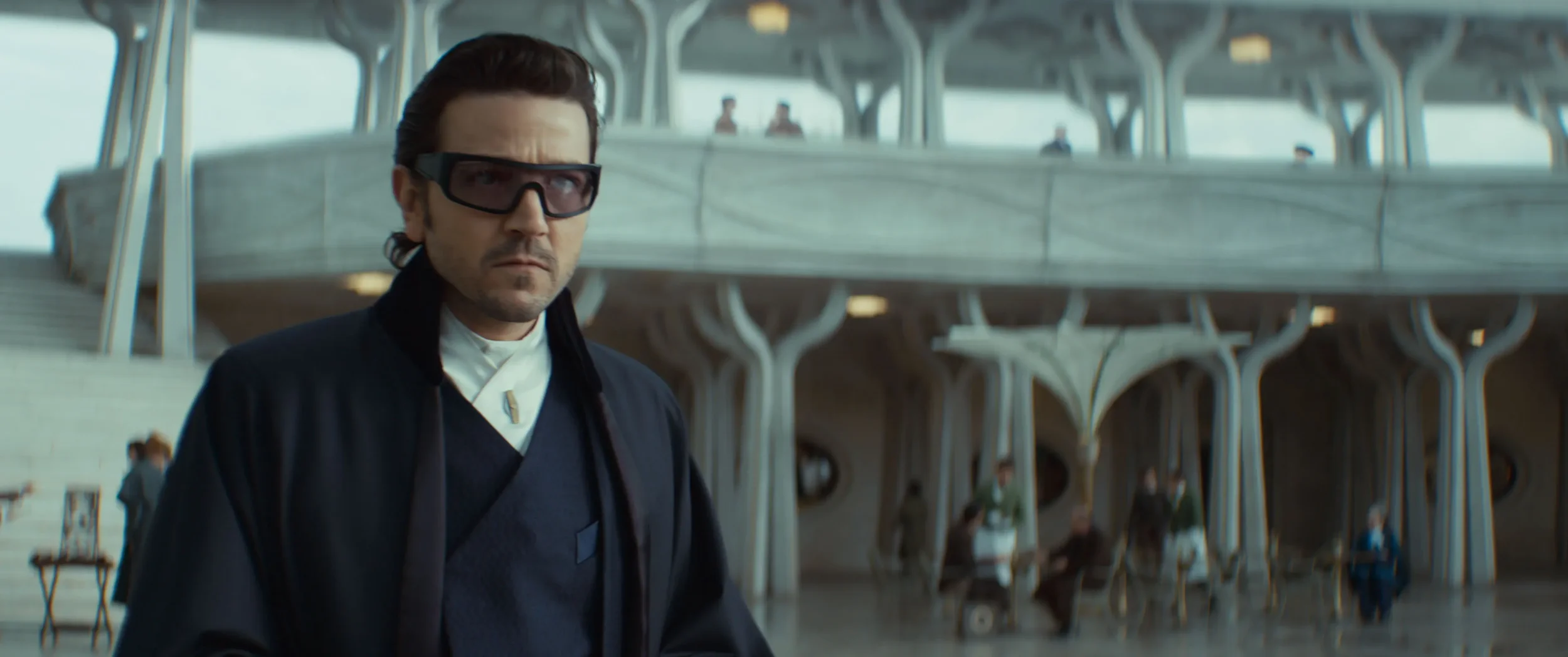
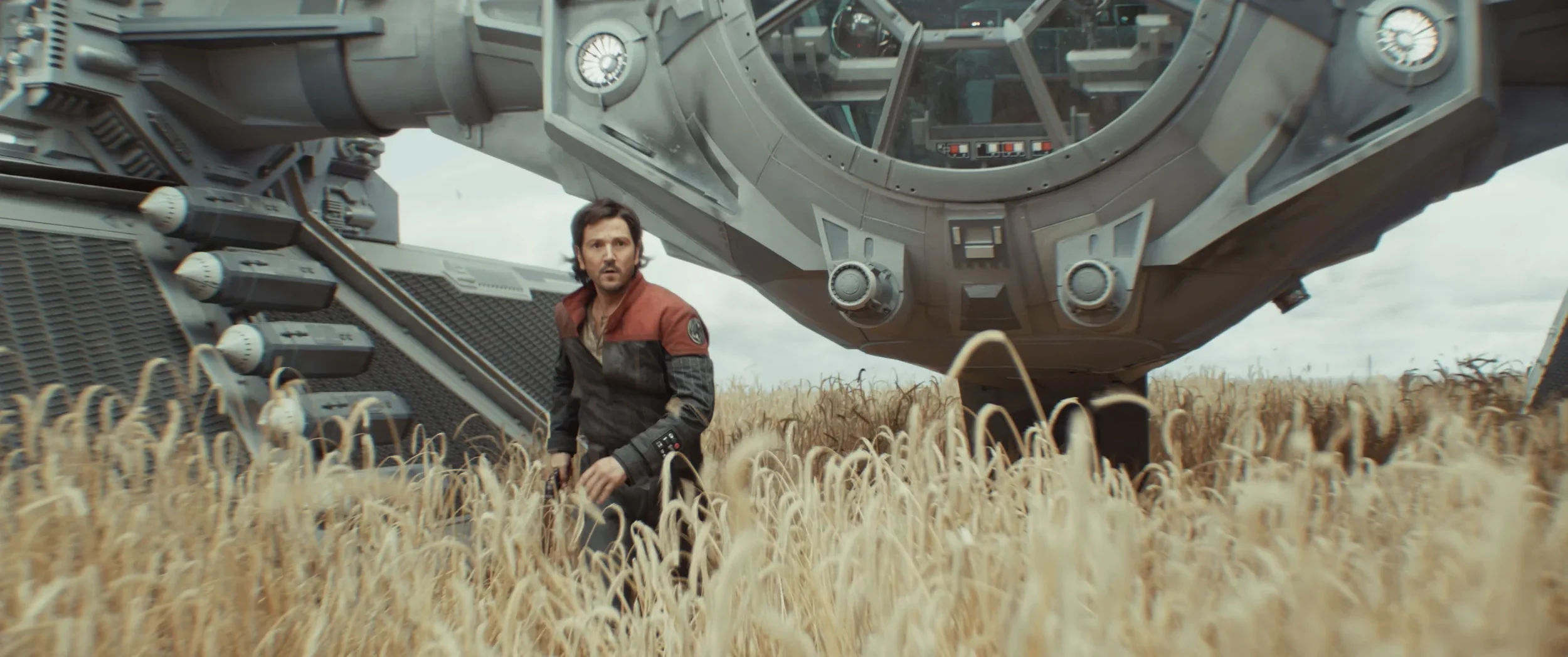
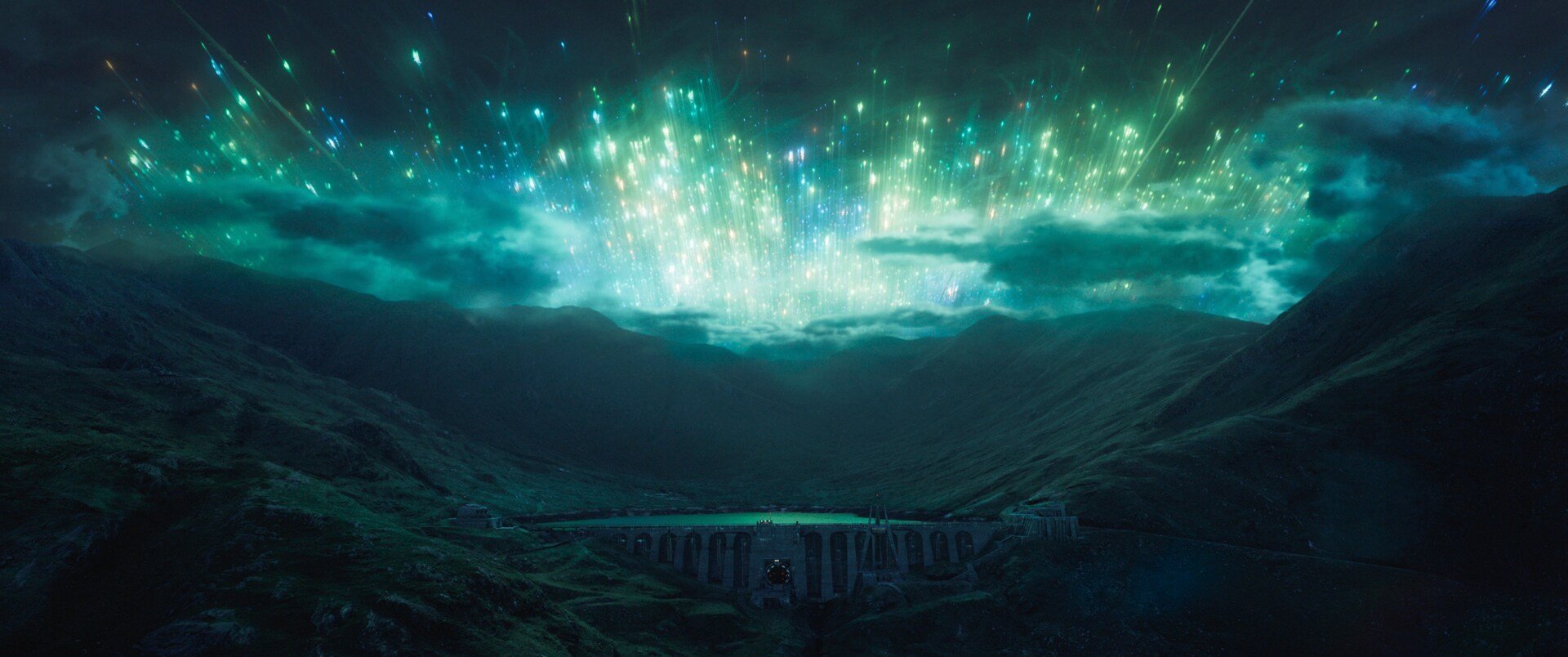
I really had no interest or desire for a prequel show about Cassian Andor, the least interesting character from Rogue One, but Tony Gilroy proved that what matters is not the story one tells, but how well one tells it. Andor is probably the single best thing to come out of the Star Wars universe since 1982 (and I say that as someone who gave The Last Jedi five stars). This show feels so desperately vital in the simplicity of its cry for freedom against tyranny, executed flawlessly against all odds.
3. Severance
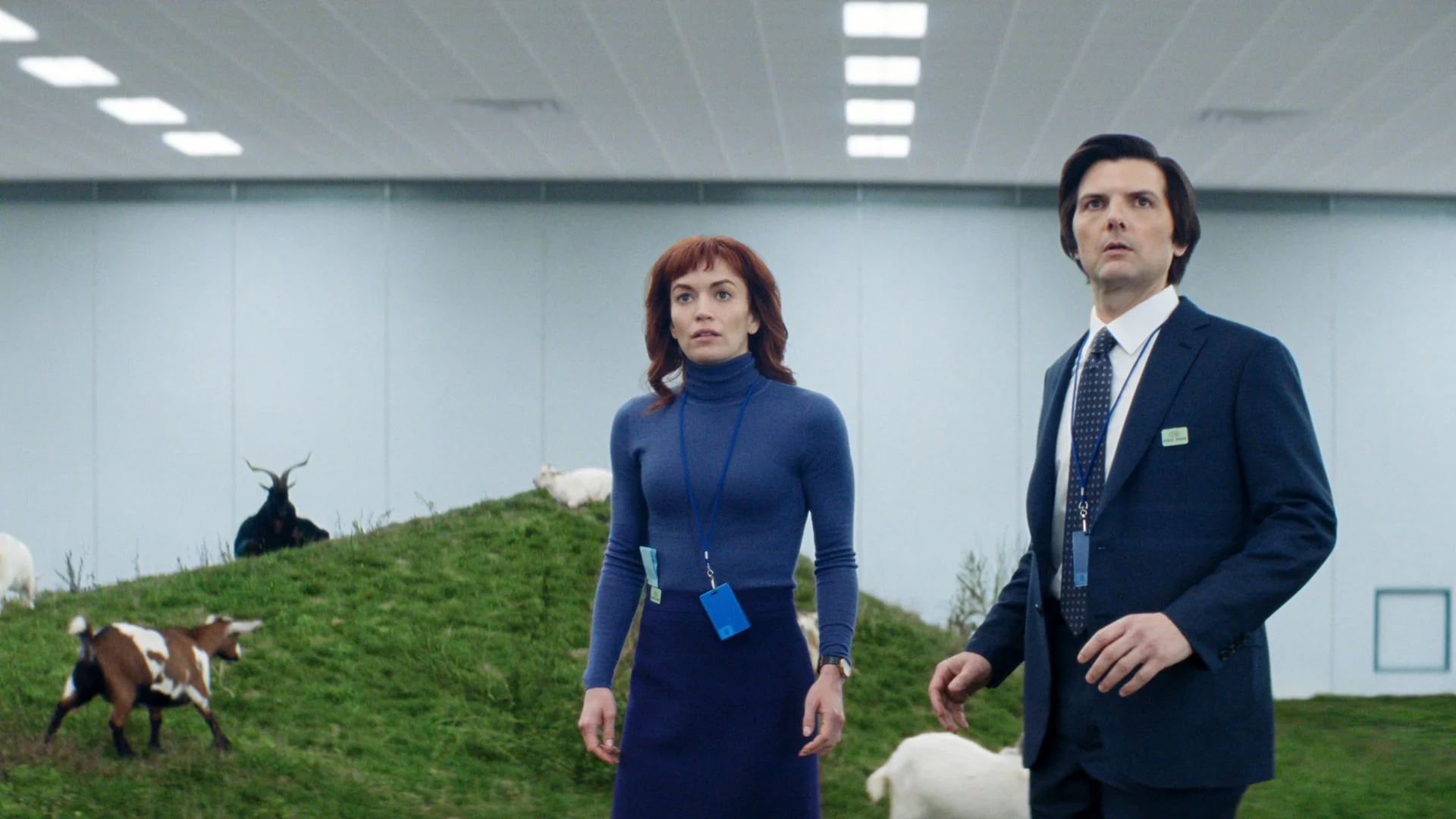
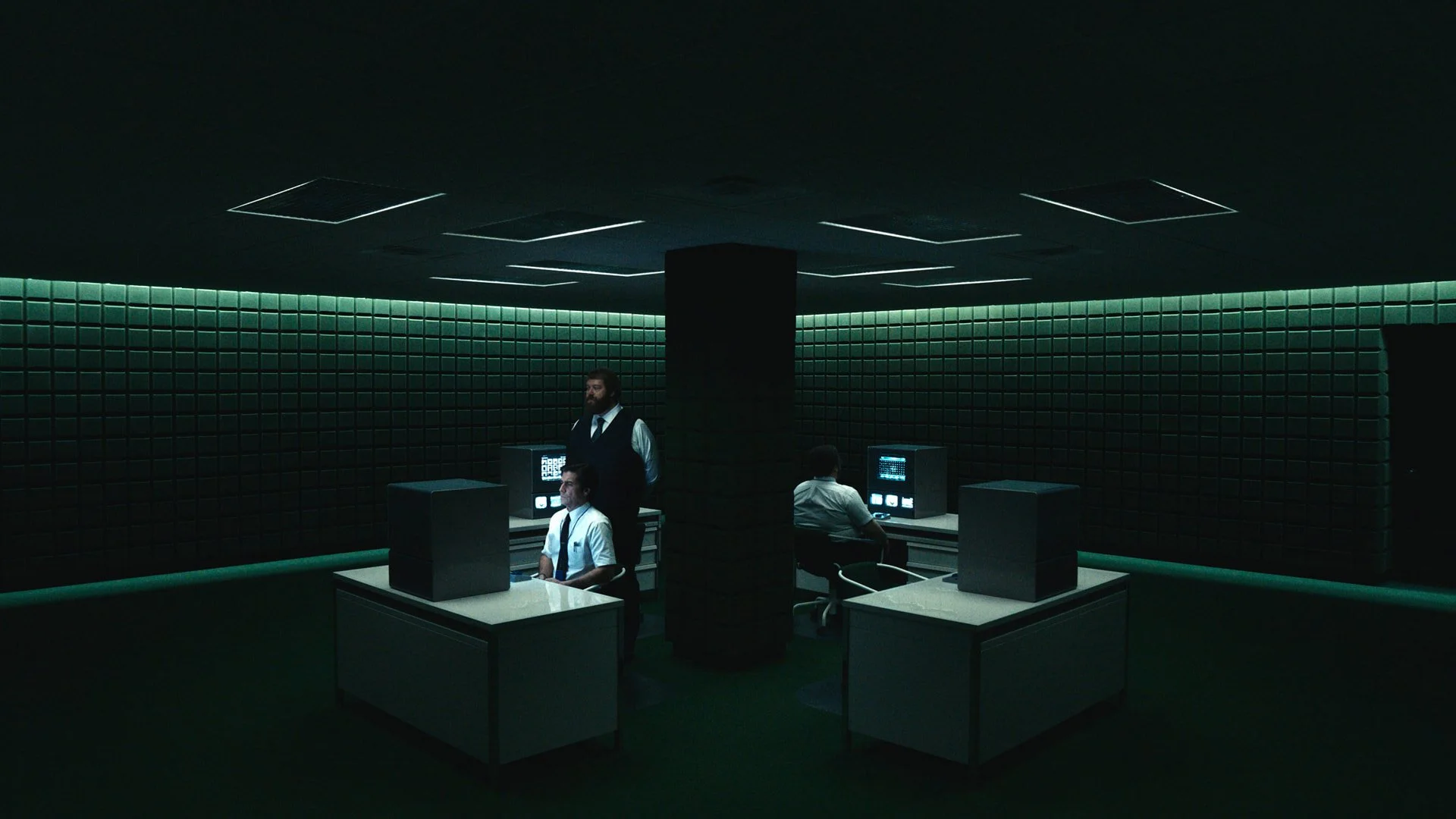
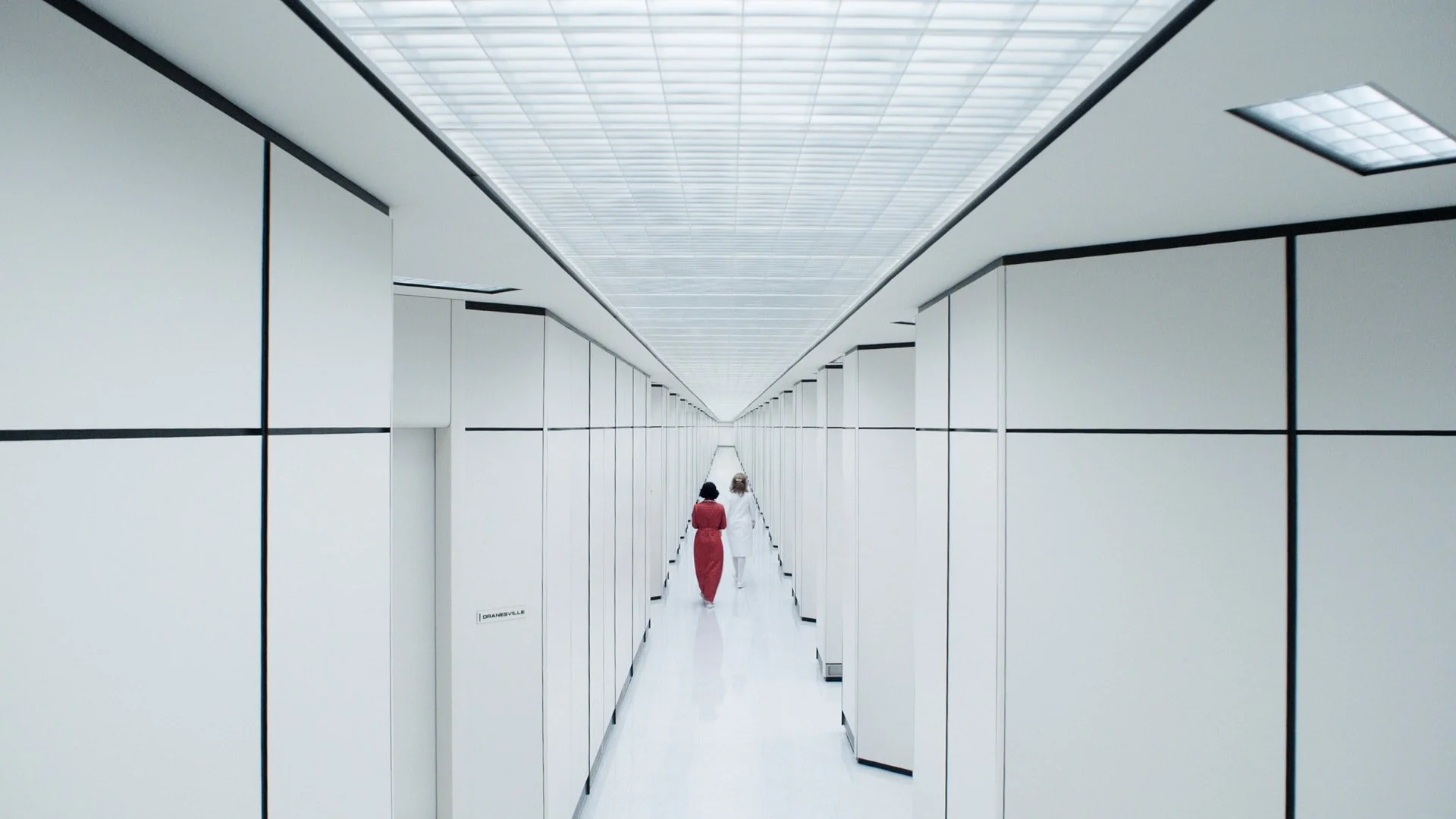
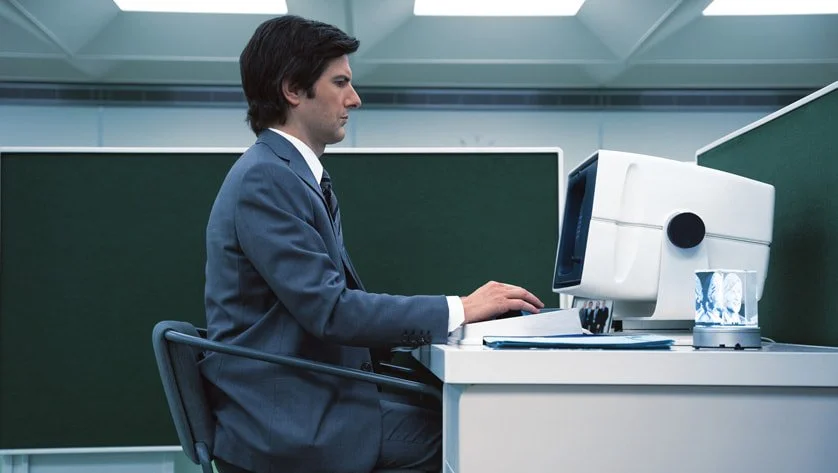
Severance is a very strange show that cannot be easily described, but every little movement of it is choreographed genius. I wish every single cast member could get Emmys simultaneously.
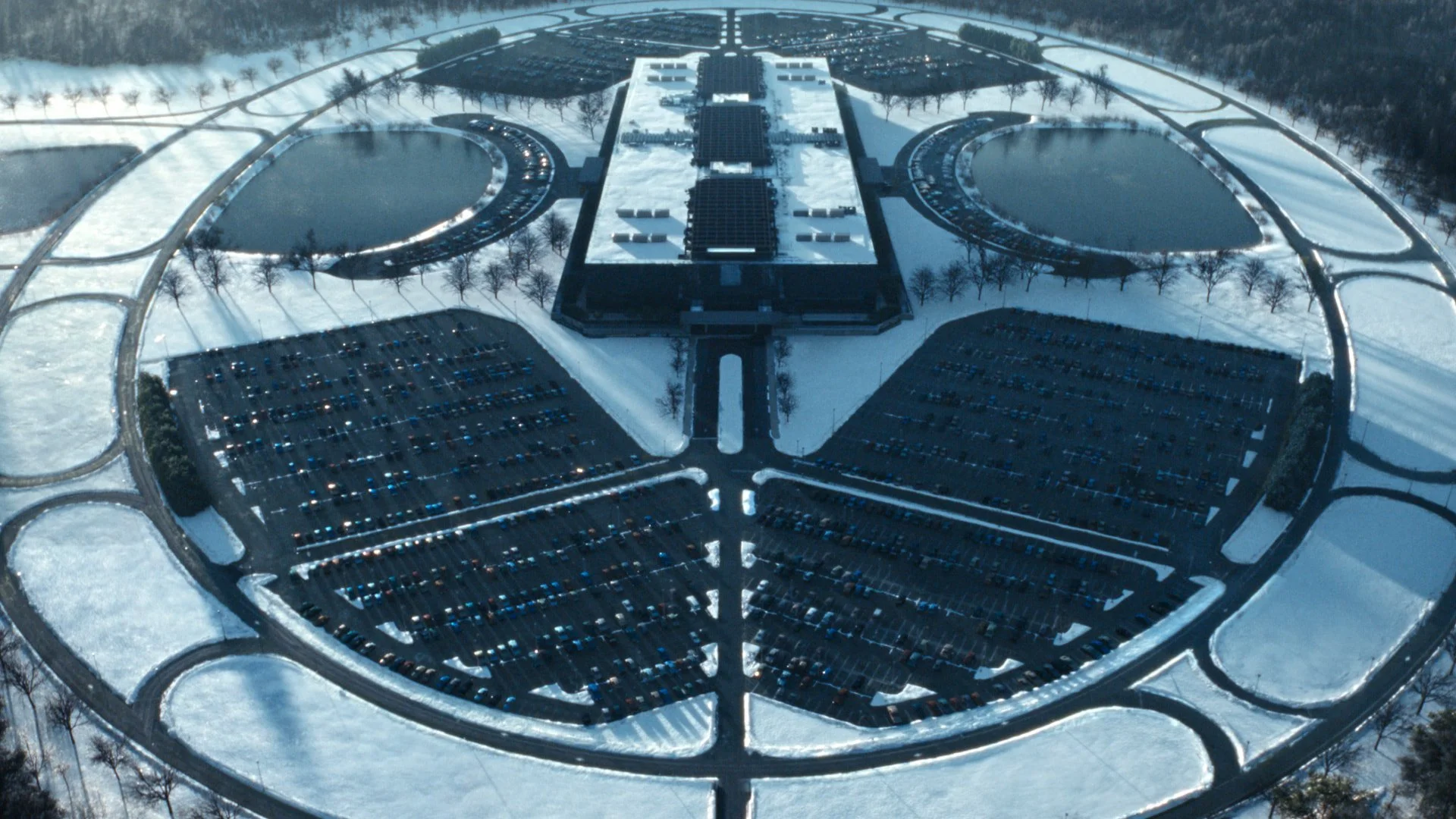
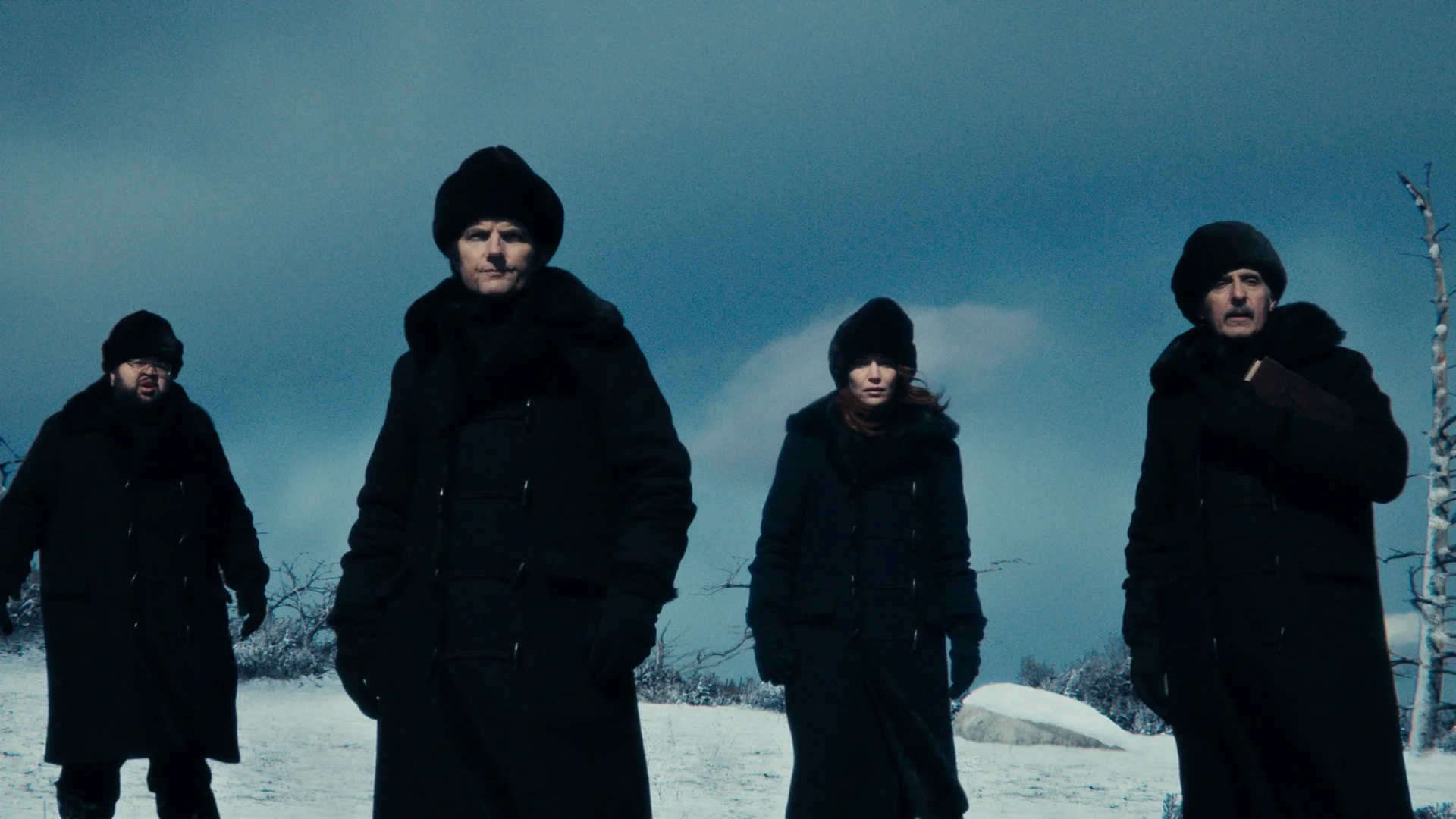
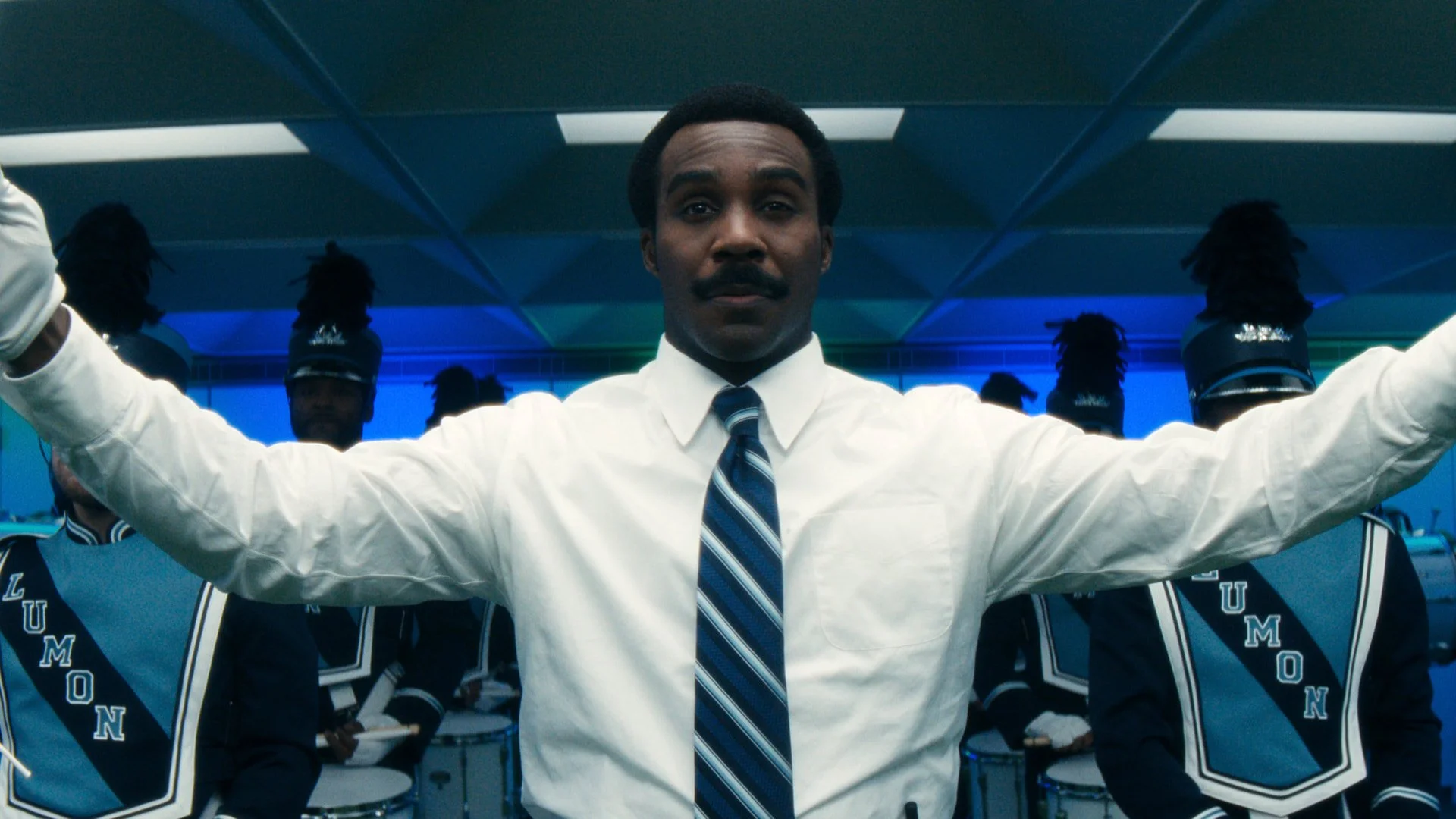
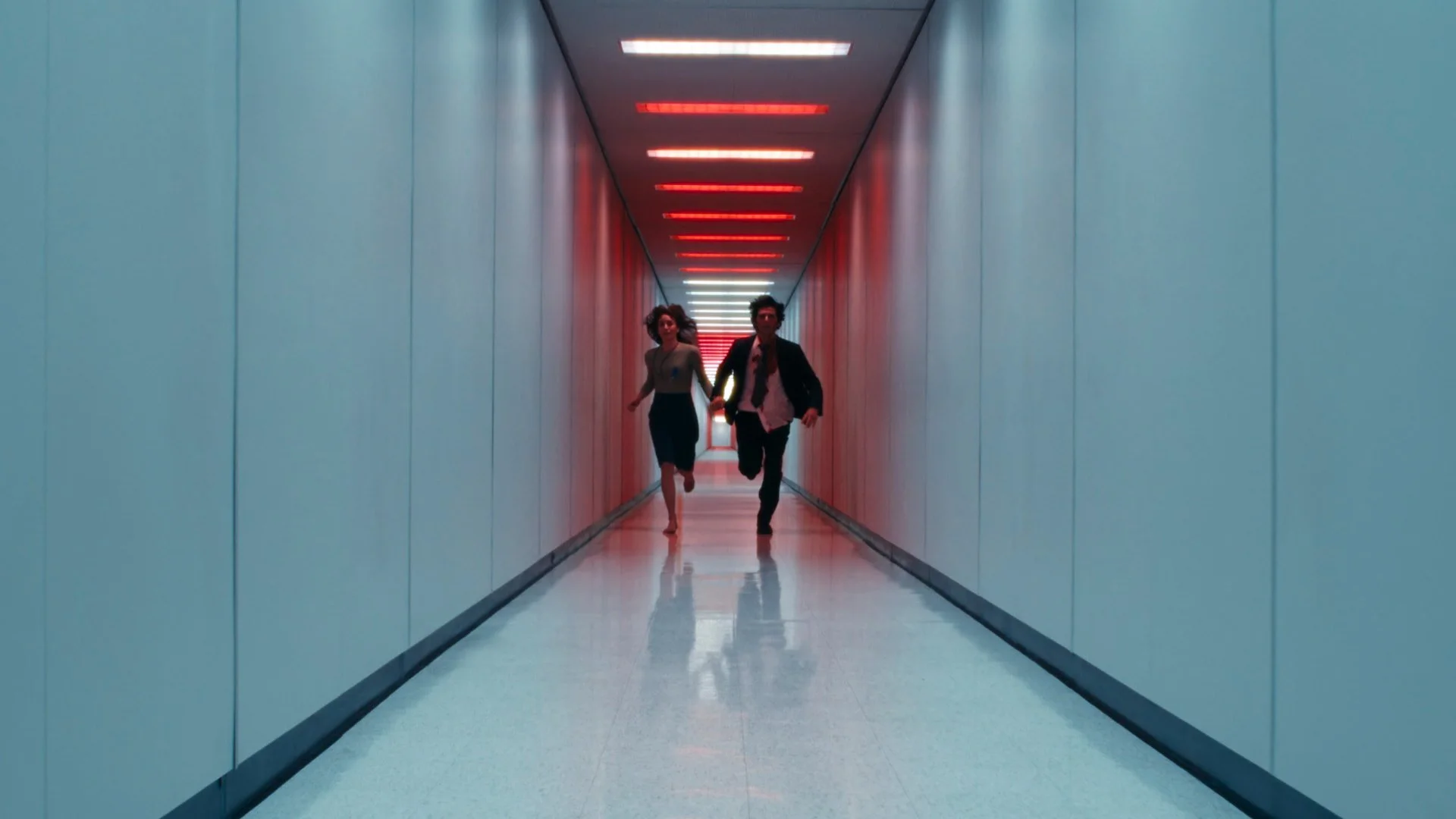
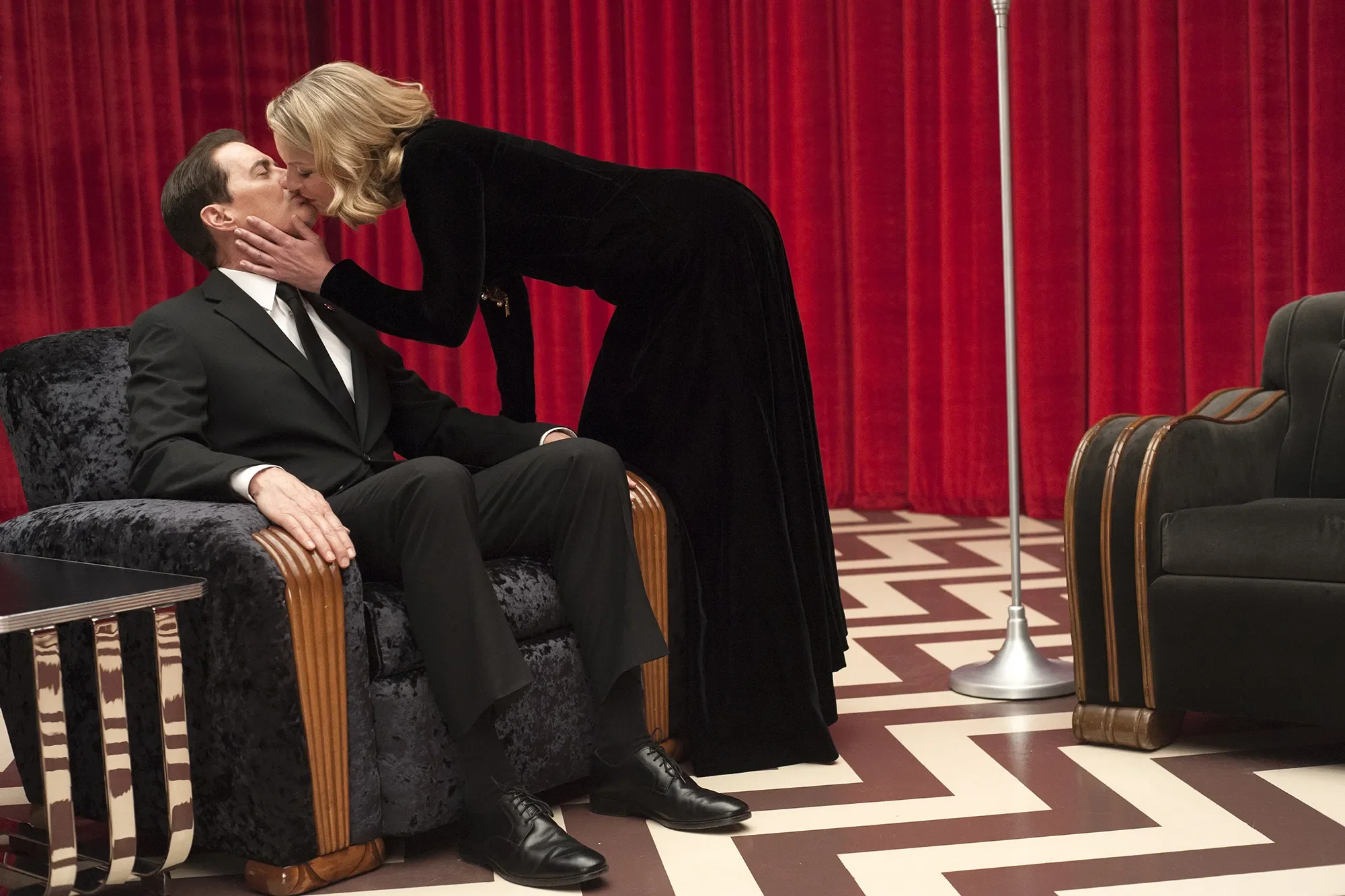
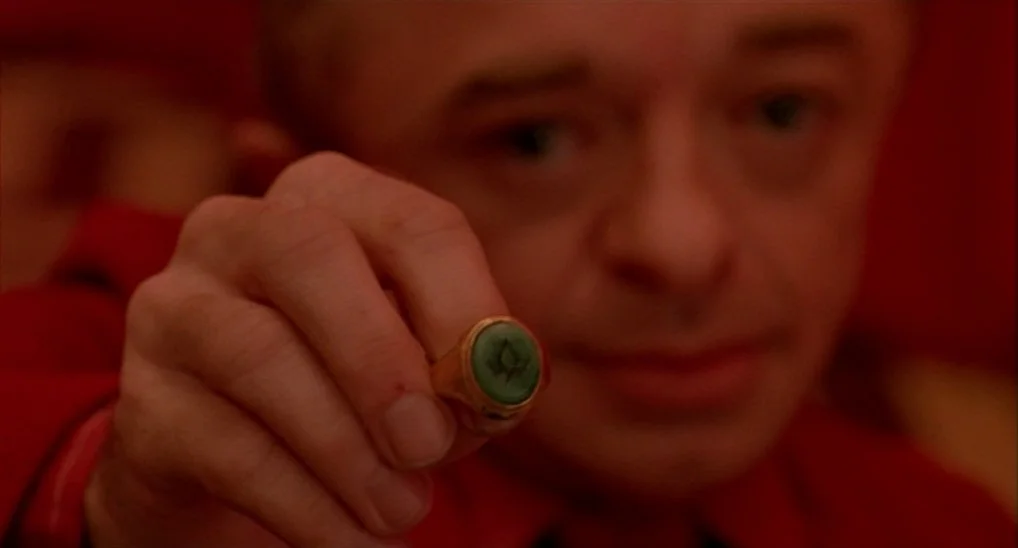
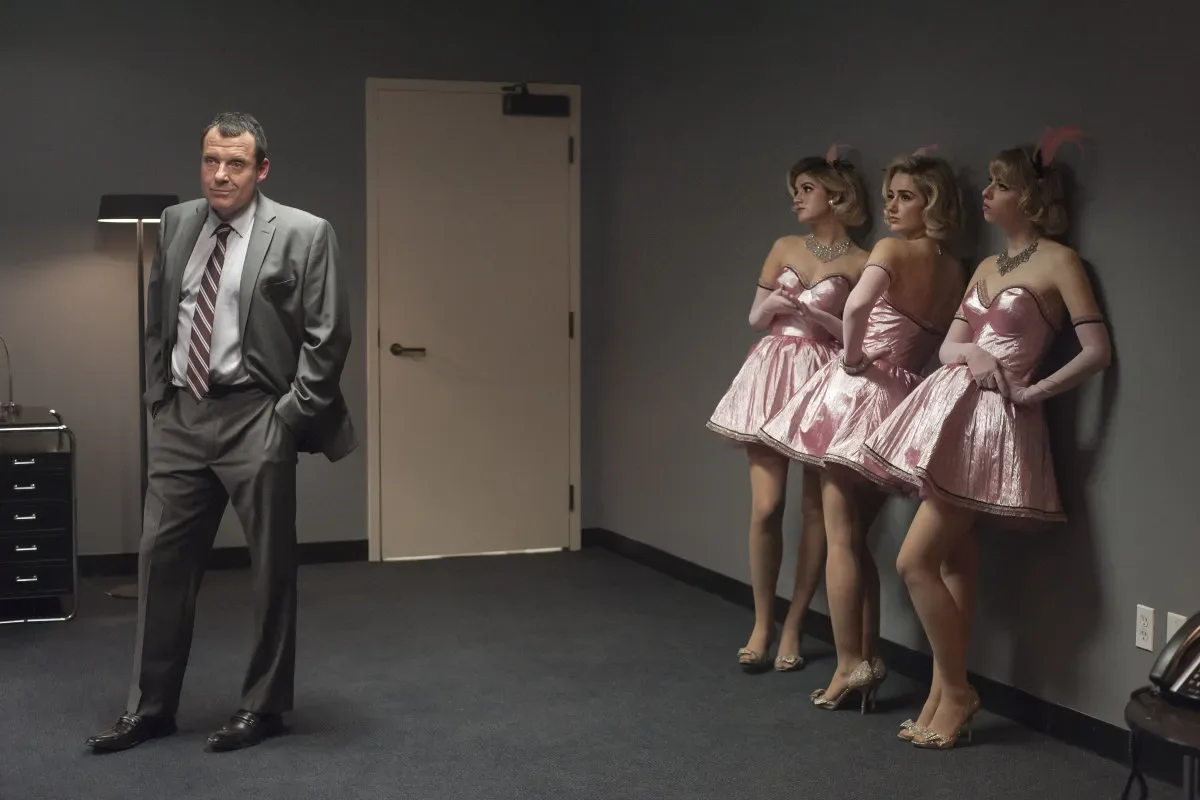
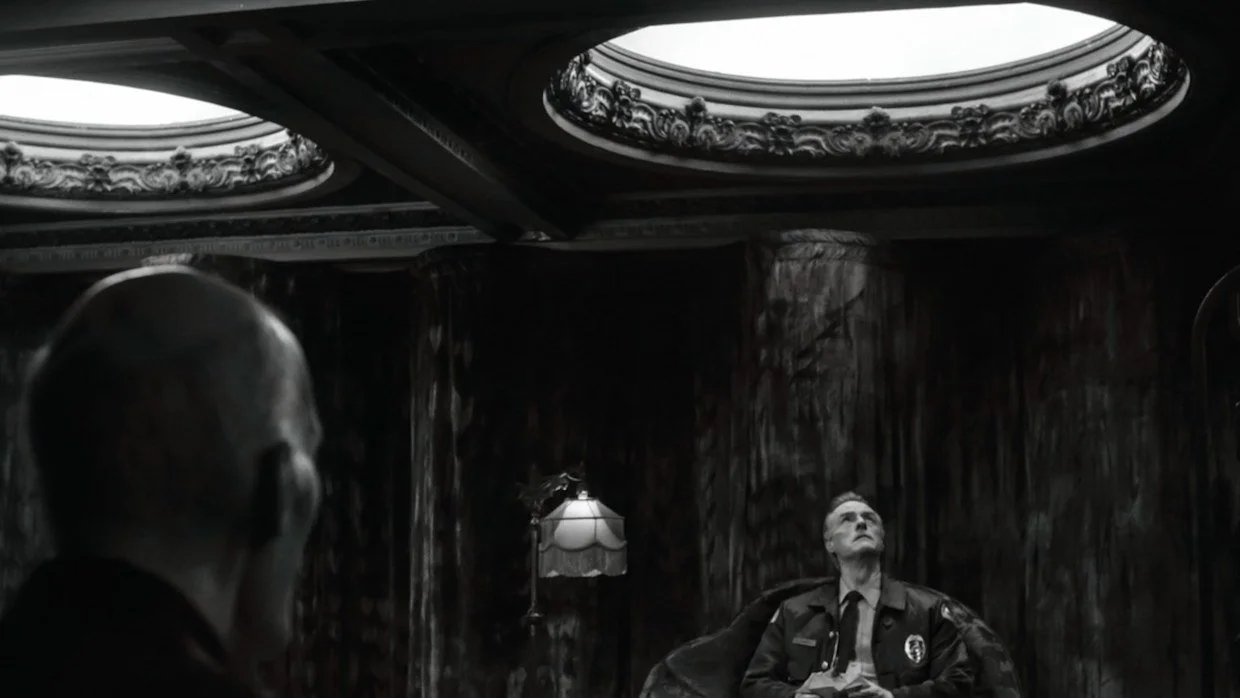
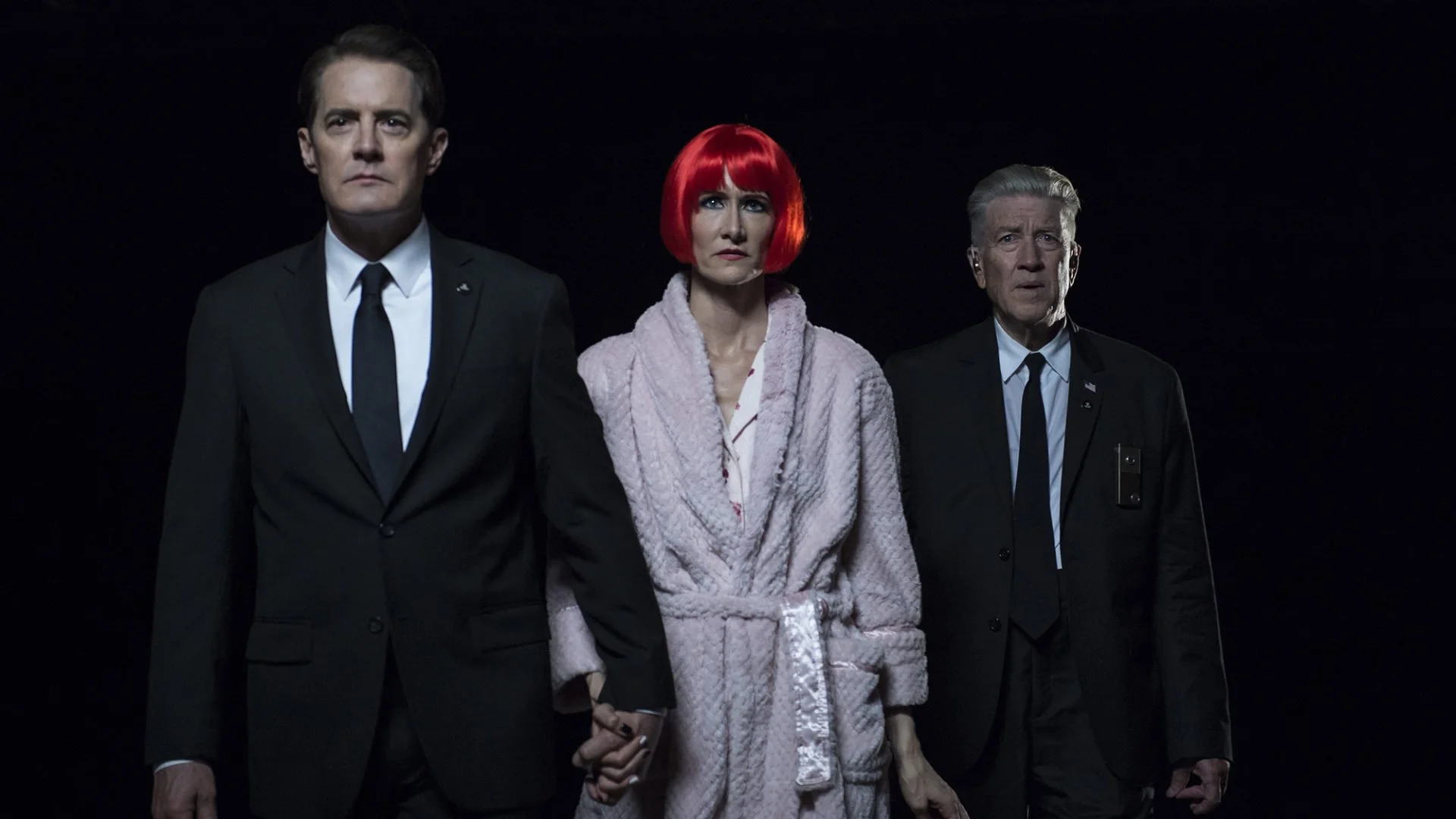
2. & 1. Twin Peaks & Twin Peaks: The Return
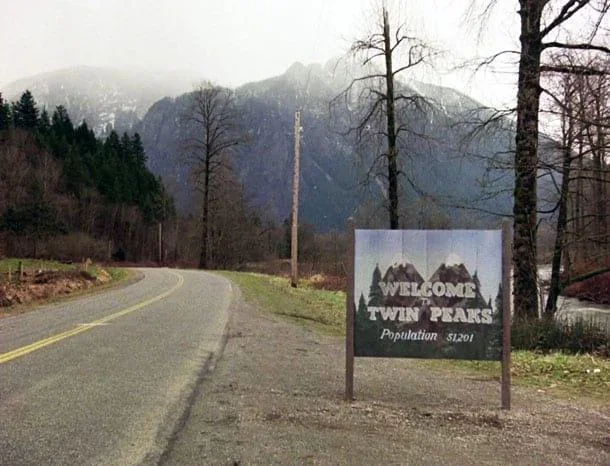
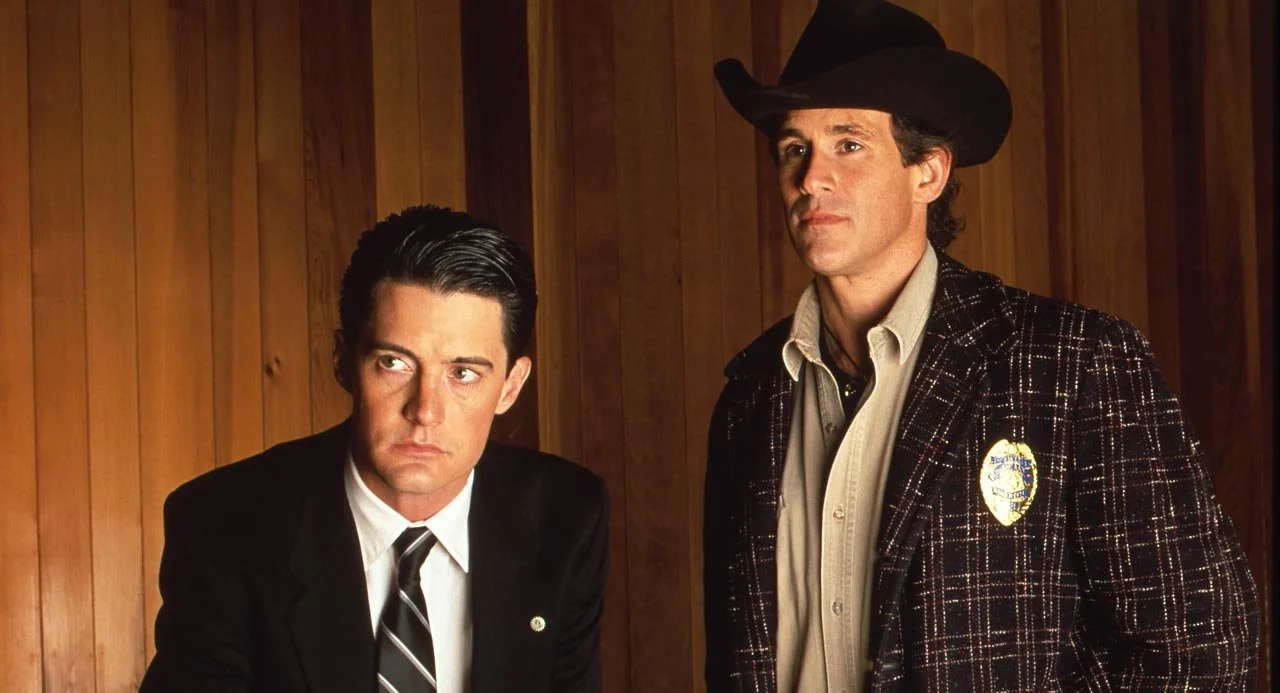
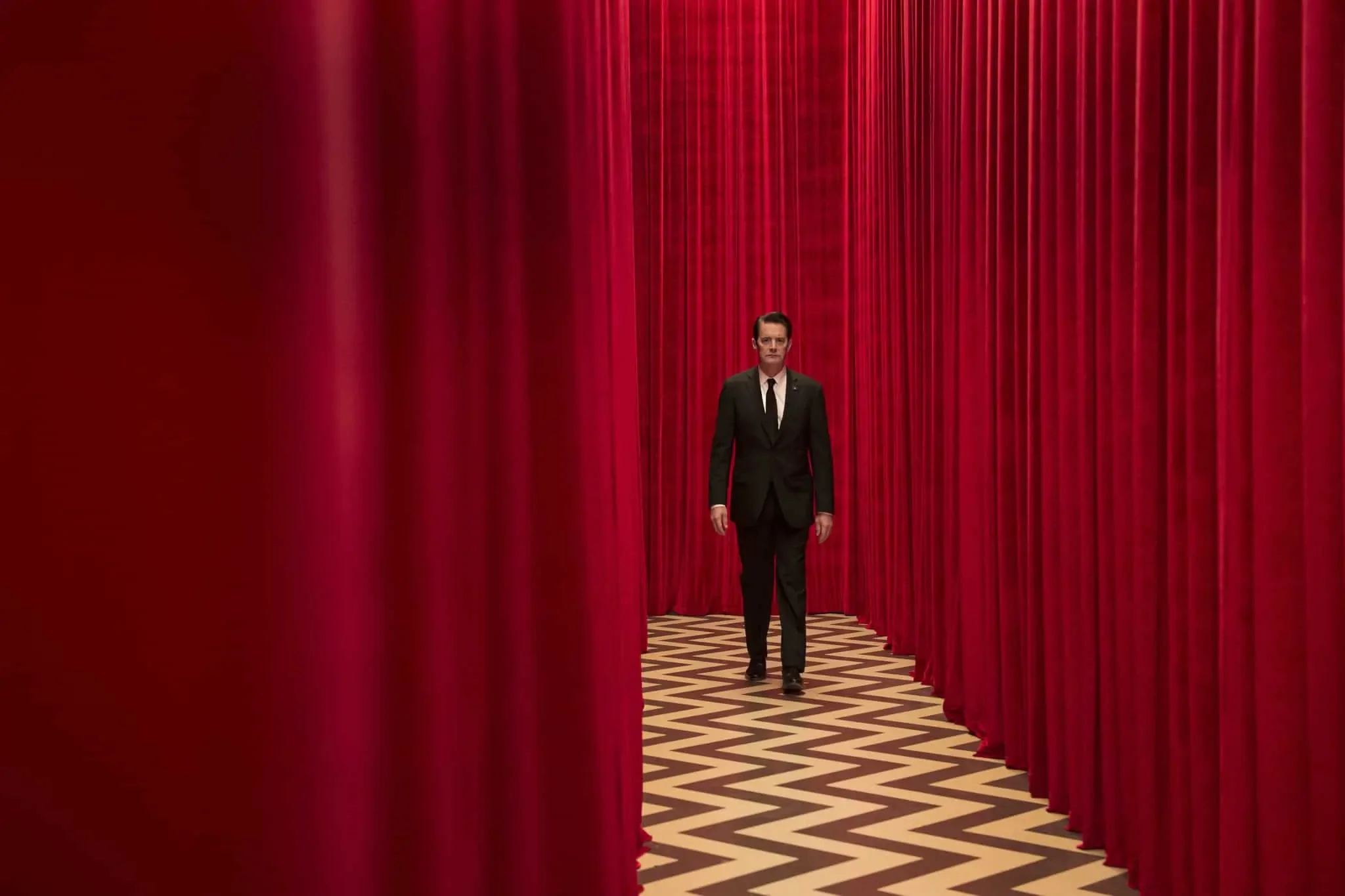
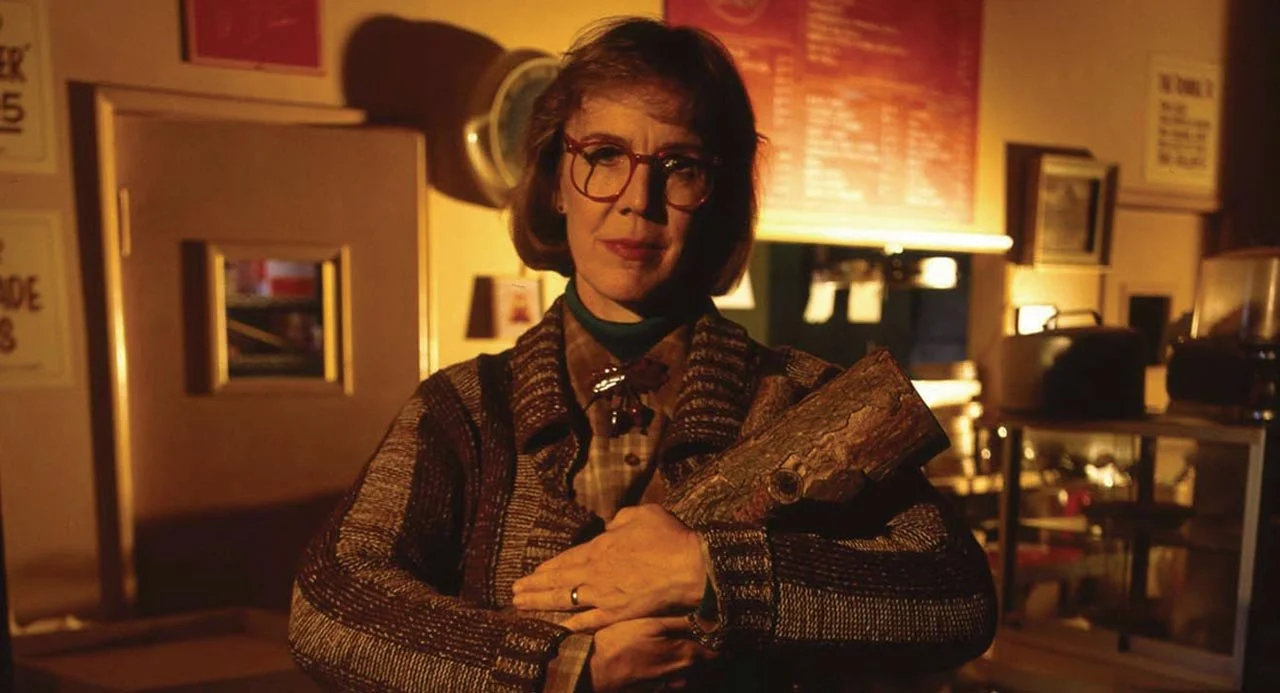
I grew up a few miles from the three towns where Twin Peaks filmed: Snoqualmie, Fall City, and North Bend. I had always heard of the show that had been a sensation the year I was born, but I never really bothered to check it out until now. Actually, I was a bit milquetoast on David Lynch; I thought Mulholland Drive was very good, but I didn’t really understand the adoration it received in film circles.
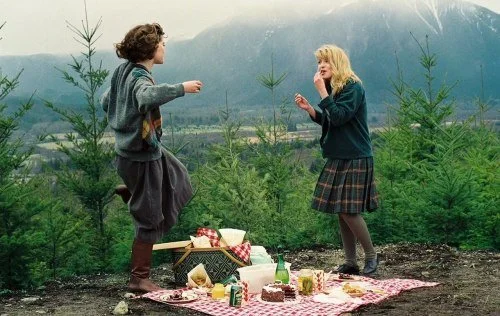
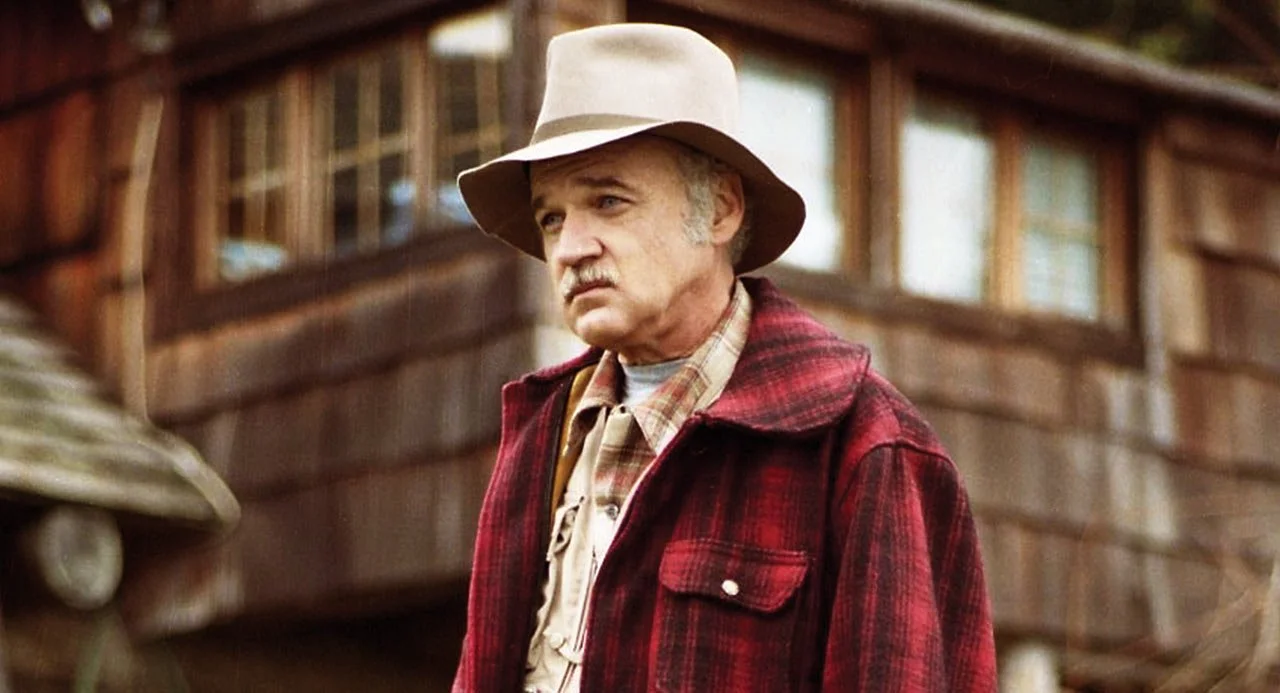
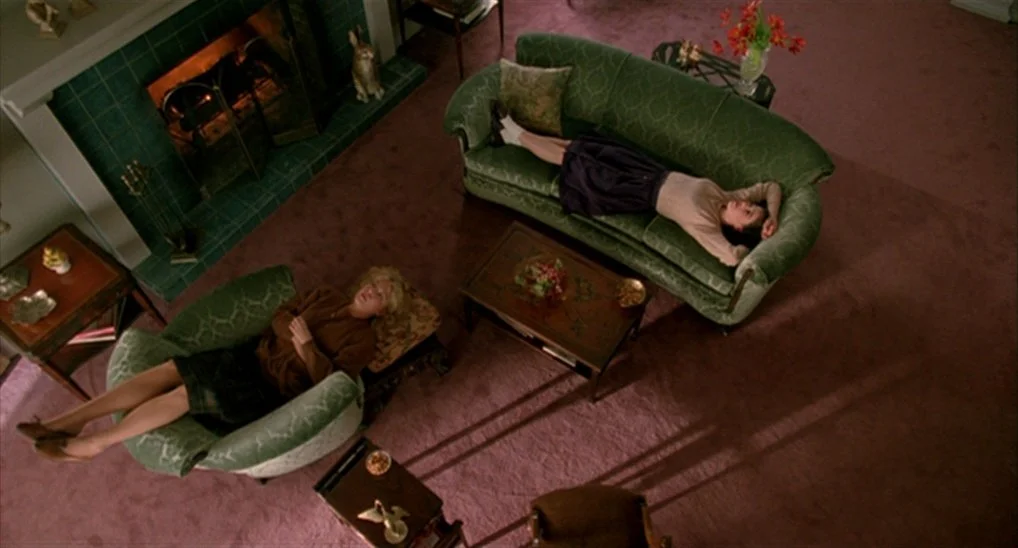
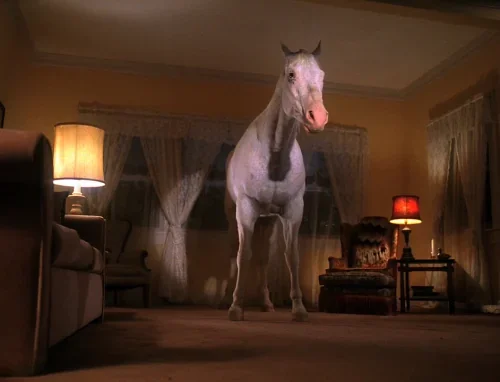
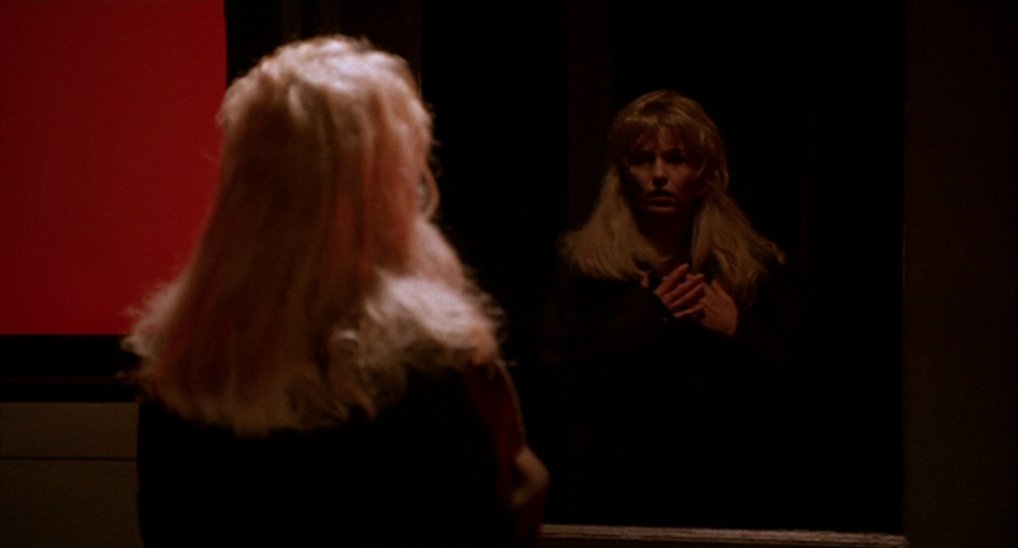
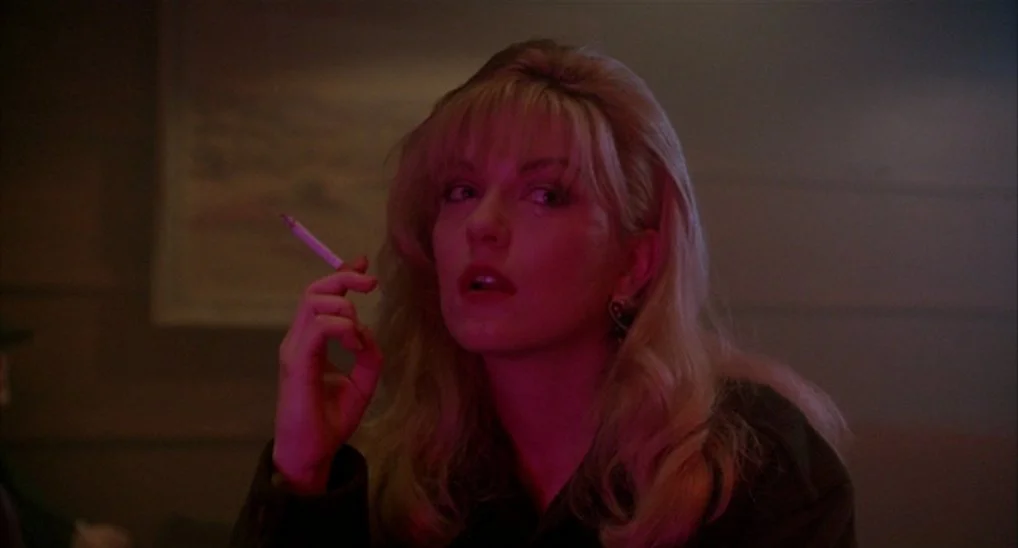
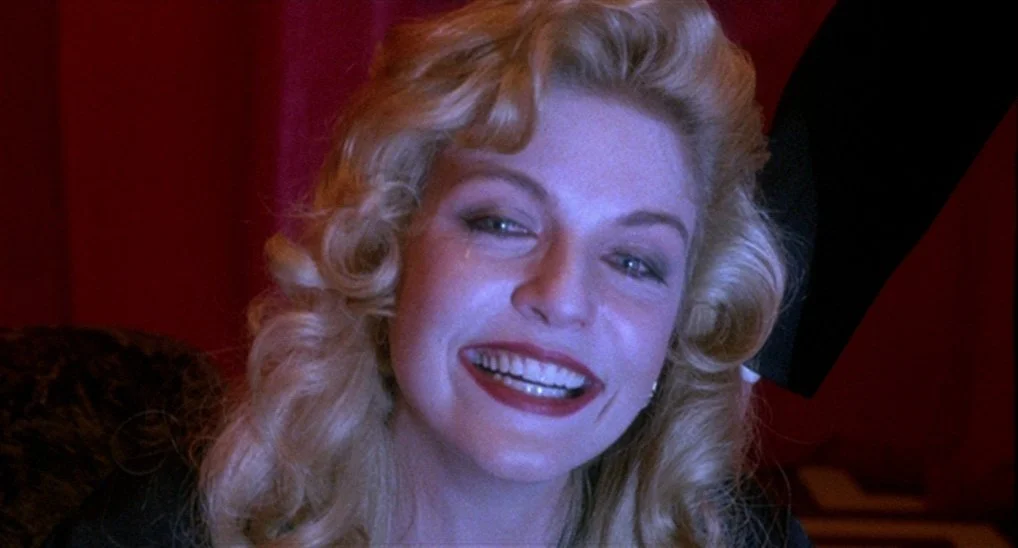
Well, I watched Twin Peaks, and The Return, and boy do I get it now. I don’t care that the show is befuddlingly silly most of the time, that the bulk of the second season is preoccupied with some of the most inexplicably bad writing I’ve ever seen, or that the returning third season, twenty-five years later, spends so much time in Las Vegas – the things which are warm and special about the town, and the things which are haunting and abominable about it, are too powerful to be impeded by anything else. This show haunts you. And even though it’s not a TV show, I have to talk about the pinnacle of Twin Peaks, the thing everything hinges around – the movie Fire Walk With Me. In Fire Walk With Me, or as I call it, The Passion of Laura Palmer, Sheryl Lee gives the most agonizing and profoundly disturbing performance I’ve ever seen on screen. It reminds me of Herzog only showing his reaction to the mauling footage in Grizzly Man, and not the carnage itself; David Lynch as opened a window into Hell, and he keeps the camera pointed just away from it, so we can’t see anything but the flickering light in the corner of the eye – but Laura can, and we see it all in her face.
More Than One Thing Is True
When I got my first smartphone in 2015, I also had an enormous amount of leeway outside of my minimal English teaching duties, time which I devoted to driving hither and thither all about montane Japan at 50 kilometers an hour, tops. As you might imagine, these journeys took up a great deal of time, time which I filled, for the first time, with podcasts. At that early juncture, at the start of the 2015 Presidential election primary campaign, I mostly listened to every political podcast I could get my hands on, with a strong bias towards shows with a bipartisan mix of pundits and magazine journalists who all lived in New York or DC, and who loved mixing it up about the wonderful game of politics as we used to know it. One of those figures who kept popping up here and there and was always interesting to listen to was Ross Douthat, the clever, mild-mannered Catholic conservative who comfortably existed within the bubble of the liberal media and actually connected with people. In the years since I’ve grown a bit more frustrated with Douthat, disappointed at times when I wished he would outright condemn or break with people who I felt had crossed a moral Rubicon – but he always had insightful things to say, regardless. Two months ago he left his column at the Times to join 60 Minutes, and I’ve been revisiting his valedictory column: https://www.nytimes.com/2026/08/08/opinion/obama-trump-biden-enemy.html.
It’s an interesting piece trying to wrestle with the disorientation felt by anyone who has tried to hold to somewhat stable principles over the last decade of fragmentation and political realignment, and I find that useful and challenging even as I strongly disagree, for instance, with Douthat’s opinions about the shortcomings of the pre-2016 establishment. Of course there were many problems with the structurally compromised and legislatively sclerotic political world before Trump, but I don’t think the elite consensus of globalized neoliberalism, social liberalism, and technocracy actually bears responsibility for the crisis – I think many voters just lost their minds. People don’t believe this now because the last ten years have made us used to how weird everything has gotten, but I remember it as it began, and it really was like a collective insanity was descending upon people who previously had been normal. But that’s not a very winning electoral message, and it doesn’t speak to the real concerns that people had which made them vulnerable to just such a moment. But I digress.
All that is to say, I reacted to Douthat’s column with a mixture of appreciation for how he expressed our political confusion and defensiveness toward his explanations for why that happened. I remain, of course, a very committed, if heterodox, liberal who has planted the flag in the year 2015 as the last year of normal politics and dug in there like Hiroo Onoda on Lubang Island. But the problem with simply trying to defend 2015 is that you end up speaking in broad generalizations, and sweeping aside every narrative that doesn’t fit. The economy was doing pretty well in 2015, America was doing well relative to most of history – but not for everyone. And there are many little wrinkles like this, which is why I am increasingly coming to rely on the truism that more than one thing is true at once. This should be common sense, and maybe it is and I just need to write this to remind myself of it, but I feel that in politics there is sometimes this tendency to be inflexibly immune to any two truths coexisting that seem to suggest contradictory implications. Perhaps I am trying to have my cake and eat it too, as I so often do – but then again, perhaps we need more non-exclusive imagination in how we think about politics, society, and life. We certainly need the flexibility and comfort with complexity to frankly acknowledge things we have learned over the last ten years without forgetting the things which were true before, and which some have since tried to erase. The question of how we reform and reunify without revising history to match populist misconceptions of reality feels both pressing and befuddling to answer.
Perhaps it is my stubborn tendency to argue for things I wish to be true while also trying to incorporate brute facts that don’t fit that, but as in theology I think we have to insist that if we know two things to be true which feel like they contradict, we should question the contradiction rather than the axioms involved.
In 2016 and in 2024, things were looking up economically, the system we had worked better than most systems throughout history, and we were gravely mistaken to upset the apple cart. And yet, many of the things we protest under Trump were happening, to a lesser degree, before him, and should have been taken seriously; and of course, even as the mixed-market economy of globalized free trade made possible the feeding of eight billion humans and heretofore unimaginable luxuries, it also left many people behind who felt their lives grow worse, and it ground up many other people around the world who were trying to claw their way out of base poverty. Both these things are true. What is the implication – are we to be institutionalists or radicals? That’s precisely the complexity I’m talking about – we have to maintain the ability to be both simultaneously as befits the truth.
Here’s another one: social liberals are right about there being a group on the far right who really do want to interfere in the personal lives of others to an unreasonable degree, and some of that is motivated by animus, and a lot of it is genuinely but has calcified into being expressed in a way indistinguishable from animus. And, social conservatives were right about many of the slippery slope edge cases they warned about, particularly regarding gender identity where children are concerned – and this at the same time that they are in many cases wrong about the salience gender should have in the first place in society.
The Islamic Republic of Iran are murderous bastards who commit terrorism against their own people, and we are morally obligated to help rescue the oppressed from them to the extent it is in our power – and Trump’s war has not only been stupid, illegal, and immoral, it has been worse than if we had done nothing at all. By the same token, invading Iraq in 2003 under the pretenses we did was morally wrong, and we are responsible for a vast number of collateral deaths that should not have happened – and, Iraq today is a better place because Saddam is gone. To say nothing of Israel-Palestine, perhaps the most harmfully reduced issue on earth, and one where to eschew tension between mutually inconvenient narratives in conflict, and to pick one over the other, is to surrender objective morality.
I could go on; cultural particularity should be cherished, but not preserved by means to chaining the legs of others; both liberal technocratic urban atomic YIMBYism and Tolkien’s pastoral conservatism are true and necessary in different ways; and democracy is indispensable to moral legitimacy, but it has no moral right to abrogate liberal human rights – but voters are often wrong and do just that. Most importantly, I object to the friend-enemy distinction, which we see crop up incidentally in Douthat’s column, because of the truth that a person is both your enemy who will harm you and your neighbor who you must love unconditionally into all eternity – that both these things are true.
This has been a bit rambly, but that’s to be expected when we’re all kernels in the political popcorn popper, at the apogee of our arcs, with no one knowing quite where in the pile they will land.
Begin as Fossil: The Architecture of Tadao Ando
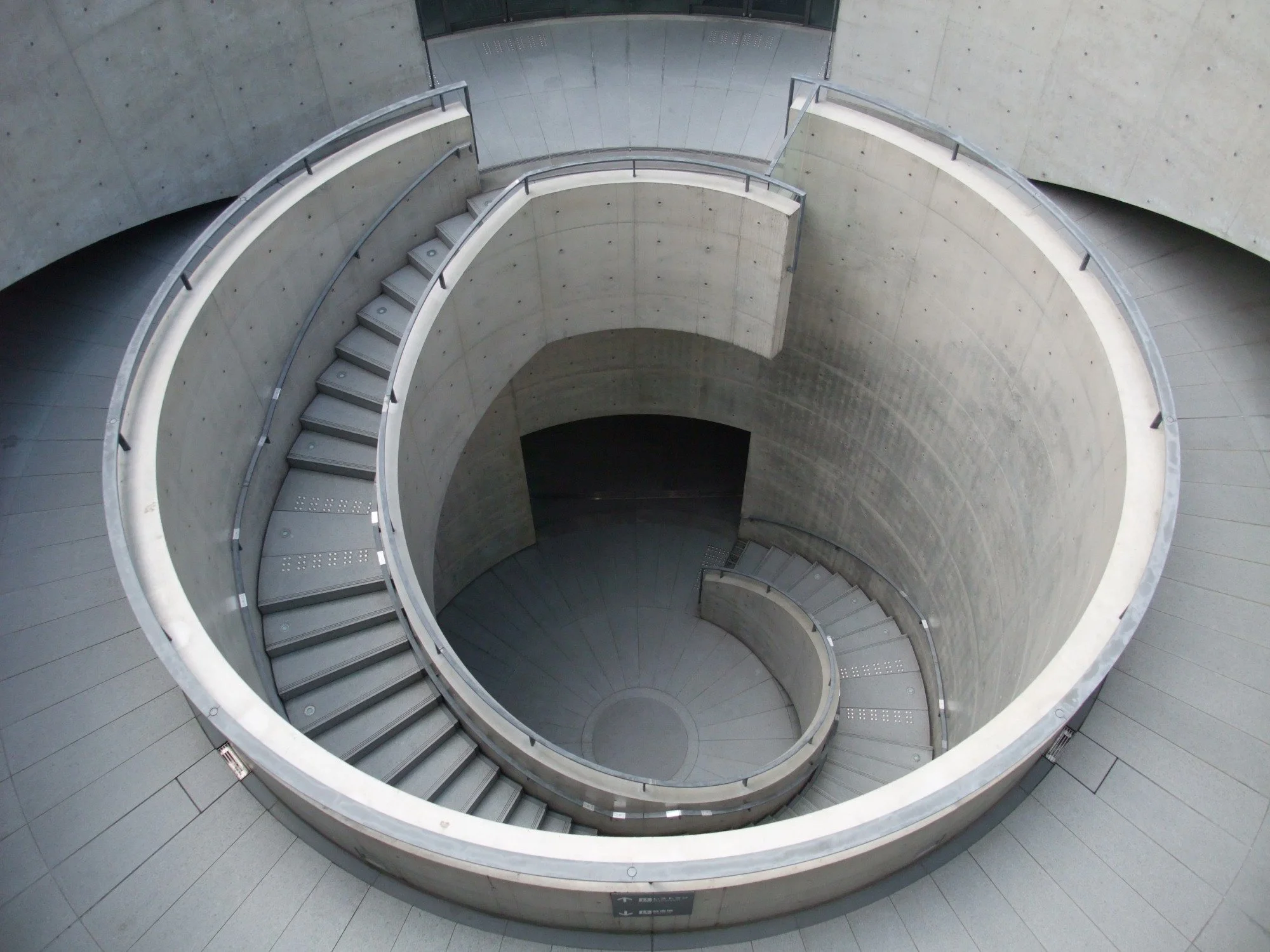
When I was in middle school, I was certain I wanted to be an architect. I kept returning from the library burdened with larger and heavier coffee-table sized books of glossy pictures of buildings in styles I still don’t really understand, but which I found endlessly fascinating. I sketched probably hundreds of architectural doodles, mostly impractical follies that would only have worked as conceptual art for a big budget fantasy or sci-fi movie. And when I joined Boy Scouts, Architecture was my first merit badge (shoutout to Ray Leong for being a great counselor).
One I was midway through high school and struggling with trigonometry, I began to reconsider architecture as a career. If anything, this was a belated realization – I think anything requiring much in the way of mathematics was always going to be a dead end for me, although perhaps I did not realize then how much would come to be done by software. Still, I remain a massive fan of architecture, and a very opinionated one. Unlike most people who are opinionated on architecture, I have no side in the modernist-traditional debate that usually gets public traction; my favorite cities are those with an eclectic mix of ornate historical facades and sleek, bold innovations all thrown together. Nor do I need architecture to be making a philosophical point; actually, I remain hesitant to blog about architecture, because I find the pretensions to depth you see in most architectural writing ludicrous. I spend a fair amount of time on architecture blogs and websites, and I love the pictures, but so many of the blurbs leave me chortling. Having said that, sometimes when I pay more attention, they begin to make sense to me, and as I started thinking about what to write in this blog, I felt myself resorting to the same sort of language, so this may well be a case of good old ignorance and hypocrisy on my part. But all that is to say, my opinions about architecture are extremely simple – I want buildings to be beautiful and interesting to look at. The great enemy of this, of course, is architecture pulled out of a box, cheap and fast, which does not even concern itself with the question of beauty. Or if there is such a concern, it is only for the view from within the building, and not the building as a part of the world. Personally, I think this kind of tasteless architecture, which comes sometimes in modernist cubes, but slapdash and bland, and sometimes in a vague impression of traditional forms, but lacking the detail of craftmanship – well, I think it disrespects itself and its neighbor and God’s creation. But perhaps that is going a little far.
So, how am I going to write about architecture, and what have I got to say? Well, to take the second question first, very little. By which I mean, answering the first, that I am going to write just as I do about music, because I have the same kind of knowledge of architecture as music: no sophisticated knowledge of style, philosophy, or technique, and very little interest in any of that – but a great deal of highly subjective, entirely personal, very strong taste. I say strong, not good – I’m not certain of having good taste in anything but film and literature. So, as with my playlists, I am writing not so much to say anything new about the architecture, but simply to point to it, expressing my subjective reaction, all to the end of simply showing you something I find cool, and, if I have no readers, of curating this list for myself.
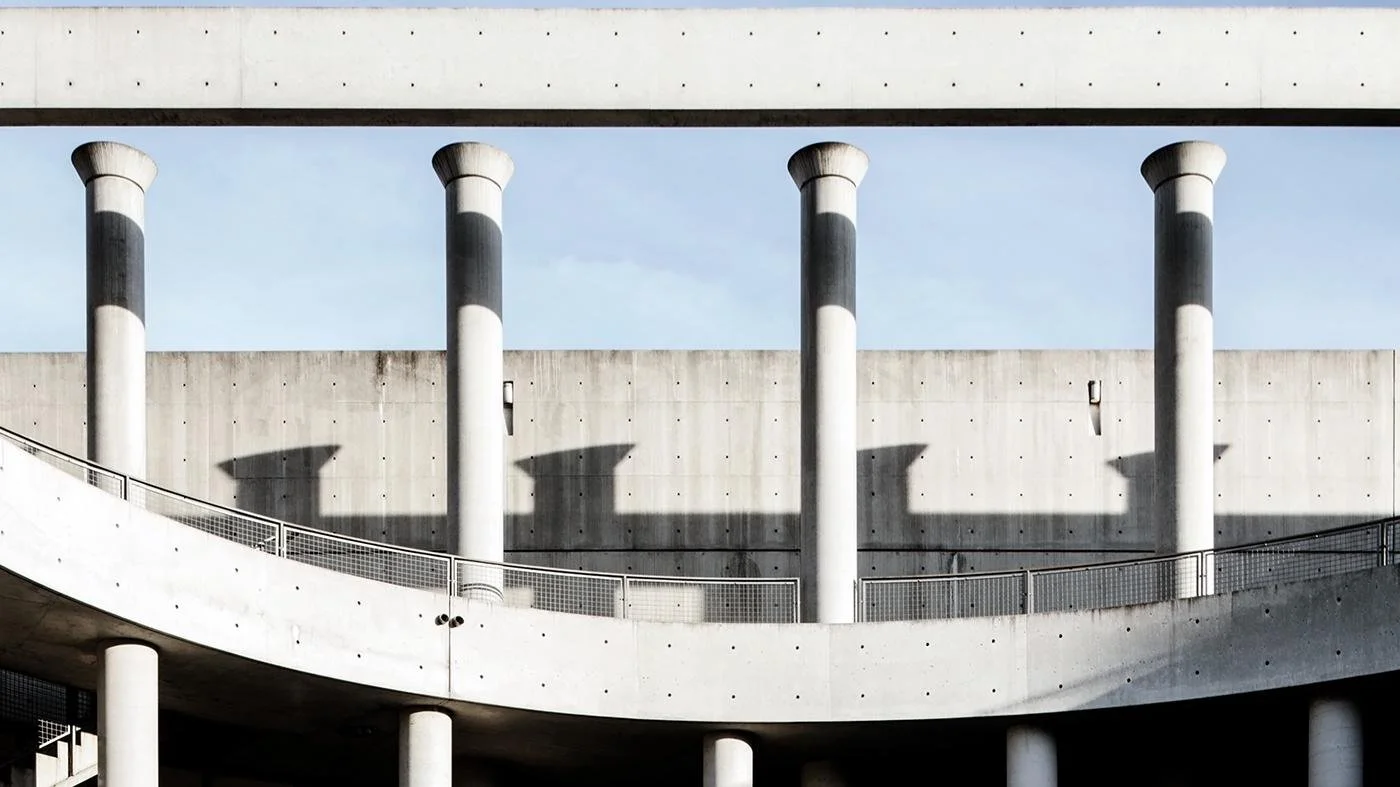
I am beginning today with Tadao Ando, who was never one of my favorite architects, but who was one of the earliest names I remembered in architecture, because his style was so distinctive. What I mean by distinctive is that he built in concrete, and his buildings looked like bunkers – but with a twist. I do like his buildings, perhaps moreso now than when I was a child – the twentieth century has receded into history, and as it does, everything built in the boxy forms that dominated in the decades after the war becomes increasingly nostalgic to me. But Ando’s work doesn’t really have much aging to do. The thing about a plain concrete building, without ornament or covering, is that it has no pretense of flesh to wither and shed. The building begins looking like the ruin it will one day be; it is already mineralized. They begin as fossils, buildings that feel like geology, but formed by the life forms that used them. There’s a timeless quality to this that will only grow as the world changes around these plutonic escarpments.
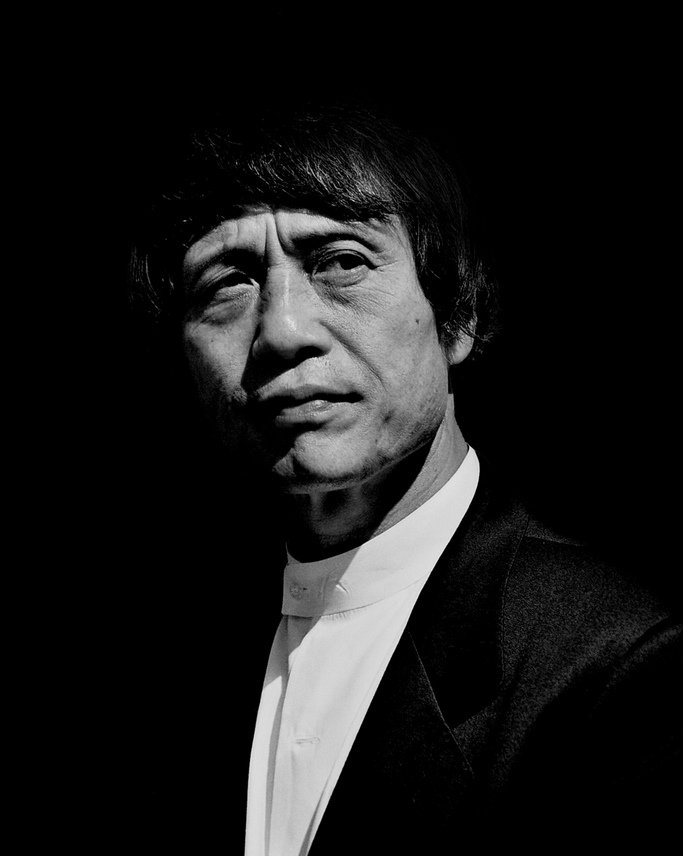
Born in 1941, Ando spent his childhood exploring construction sites, before becoming a boxer. Inspired by Frank Lloyd Wright’s Imperial Hotel in Tokyo, Ando left the ring to begin a course of self-tutelage in architecture, and in 1968 he opened his studio in Osaka. He was particularly fixated on boundaries and walls as the fundamental vocabulary of the architect, saying:
“Architecture has always been about boundaries; building boundaries for protection and then opening them up for movement.”
And,
"In all my works, light is an important controlling factor. I create enclosed spaces mainly by means of thick concrete walls. The primary reason is to create a place for all the people, a zone for oneself within society. When the external factors of a city's environment require the wall to be without openings, the interior must be especially full and satisfying... At times walls manifest a power that borders on the violent. They have the power to divide space, transfigure place, and create new domains. Walls are the most basic elements of architecture, but they can also be the most enriching."
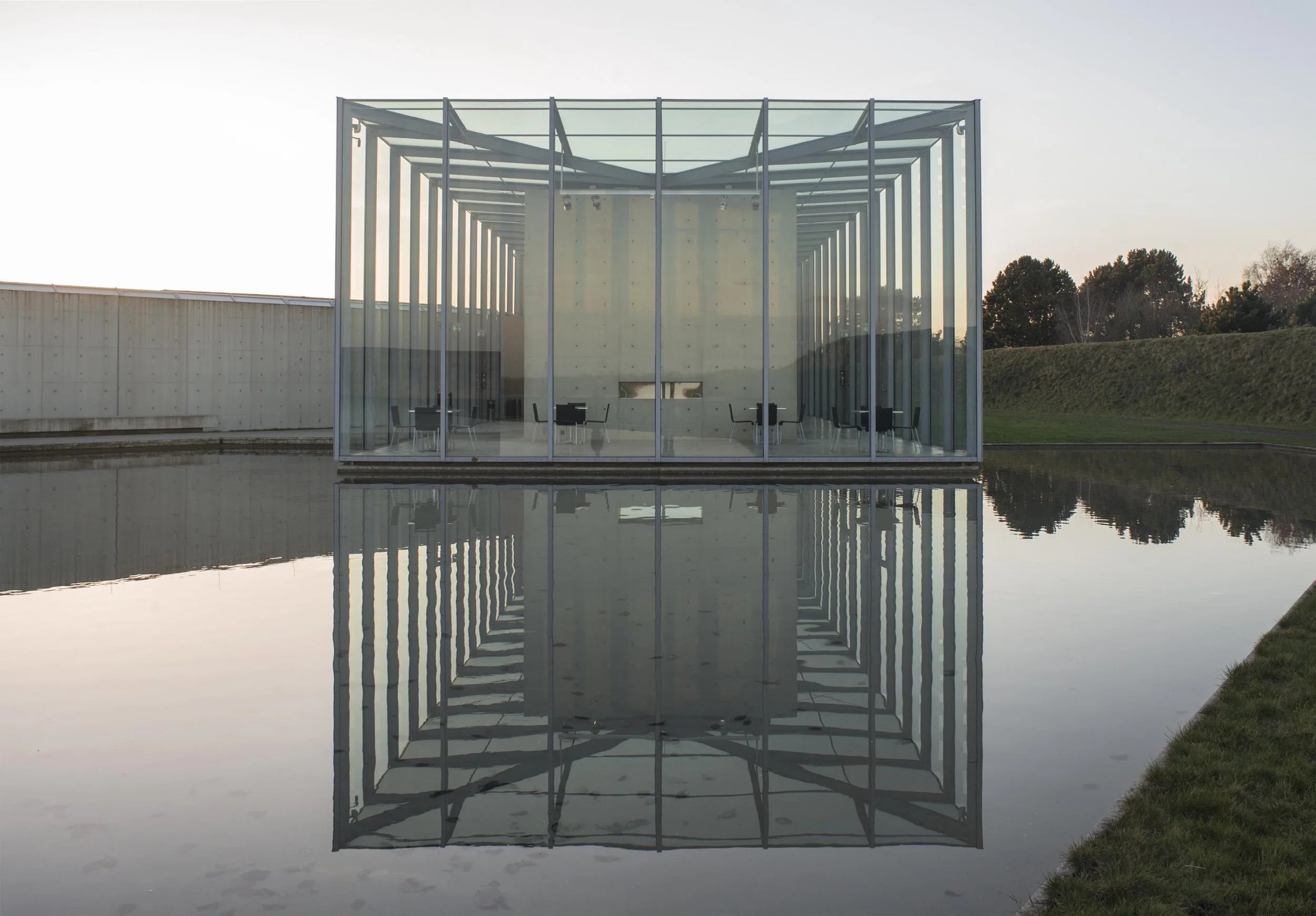
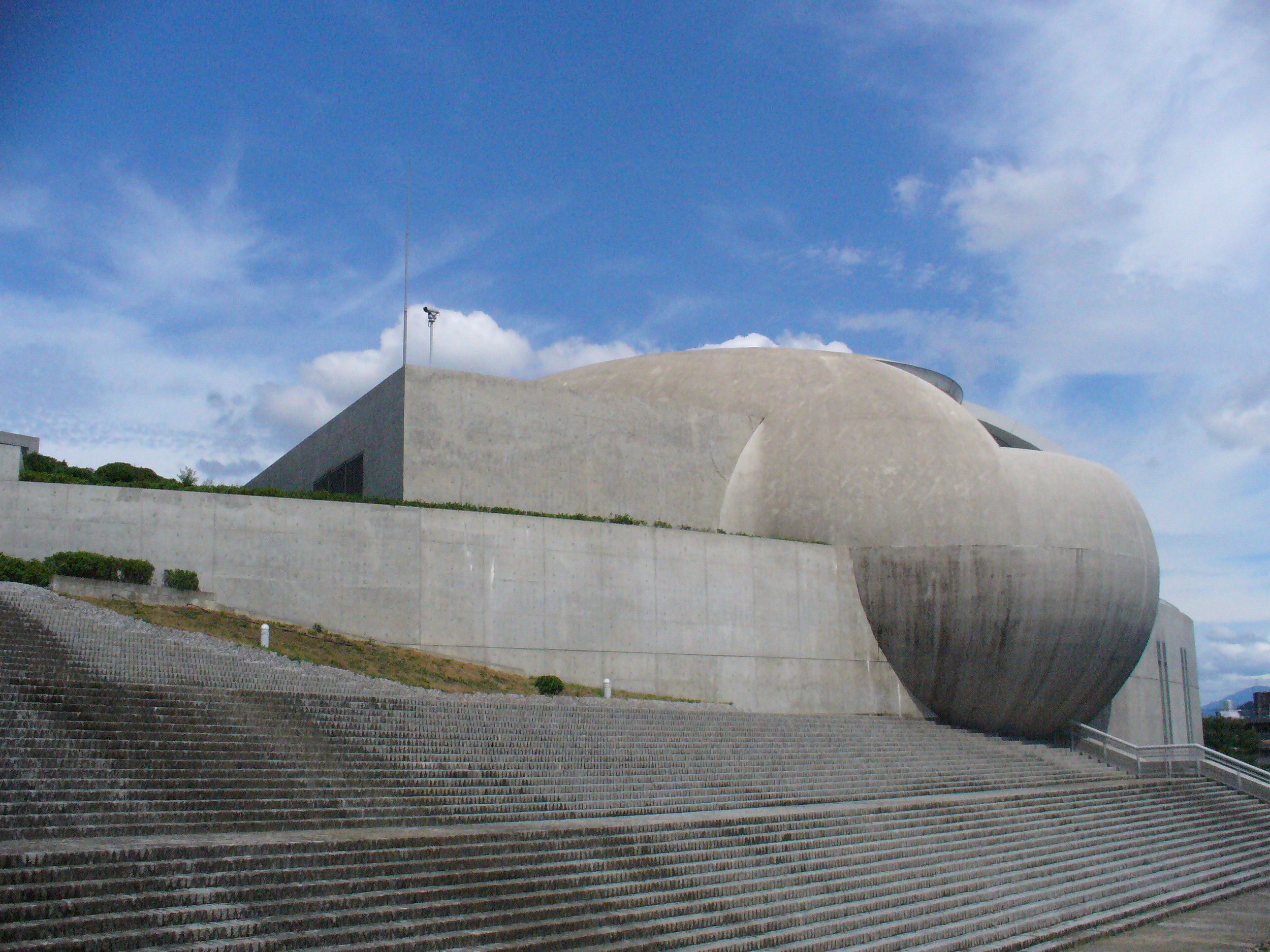
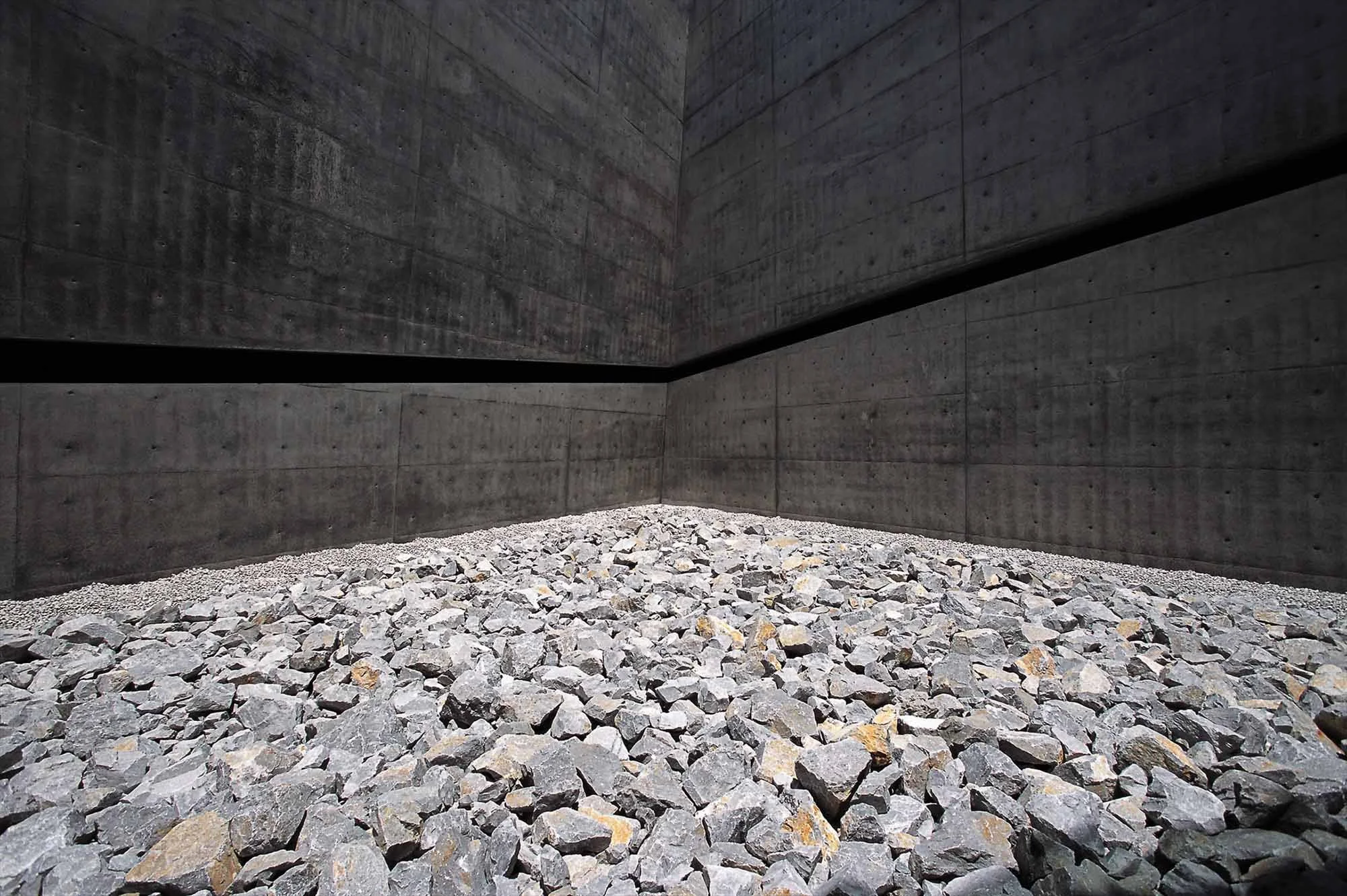
Here is a selection of Ando’s buildings, which are well worth contemplating:
The Row House in Sumiyoshi/Azuma House – an early work that encapsulates Ando’s style:


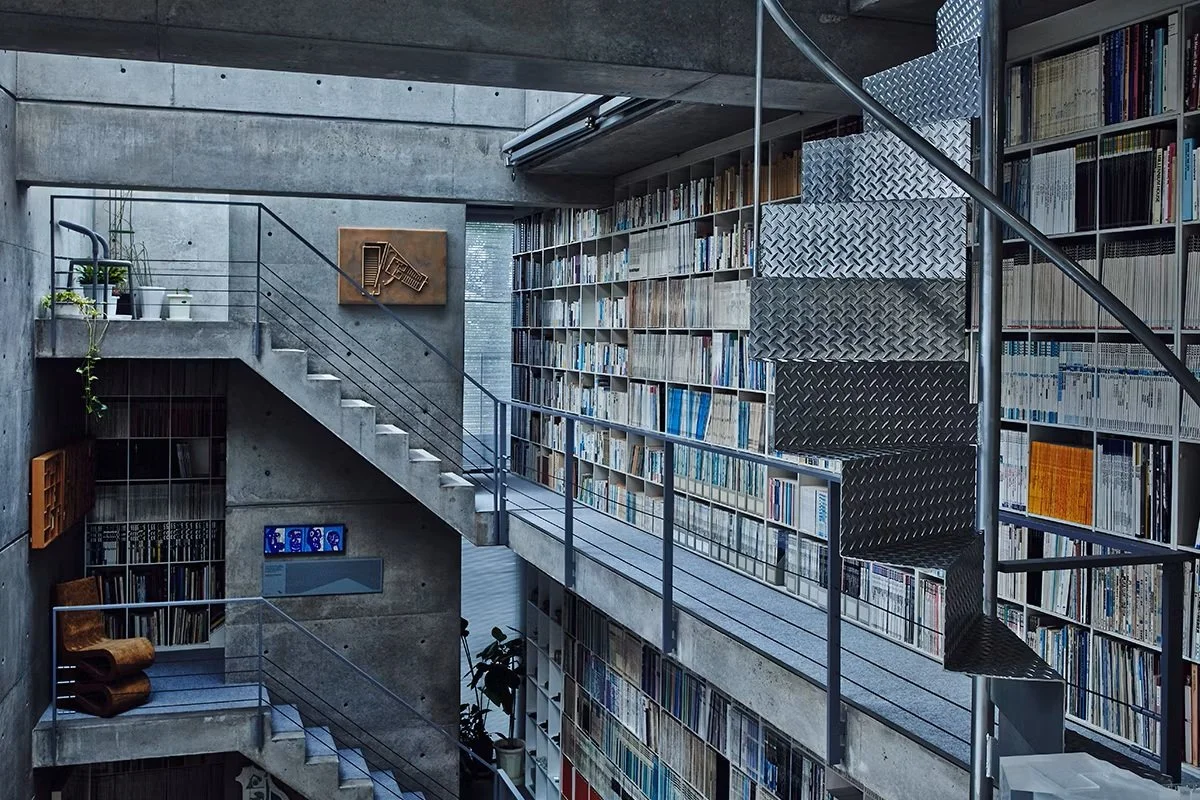
His own studio, which resembles a prison-cum-library:
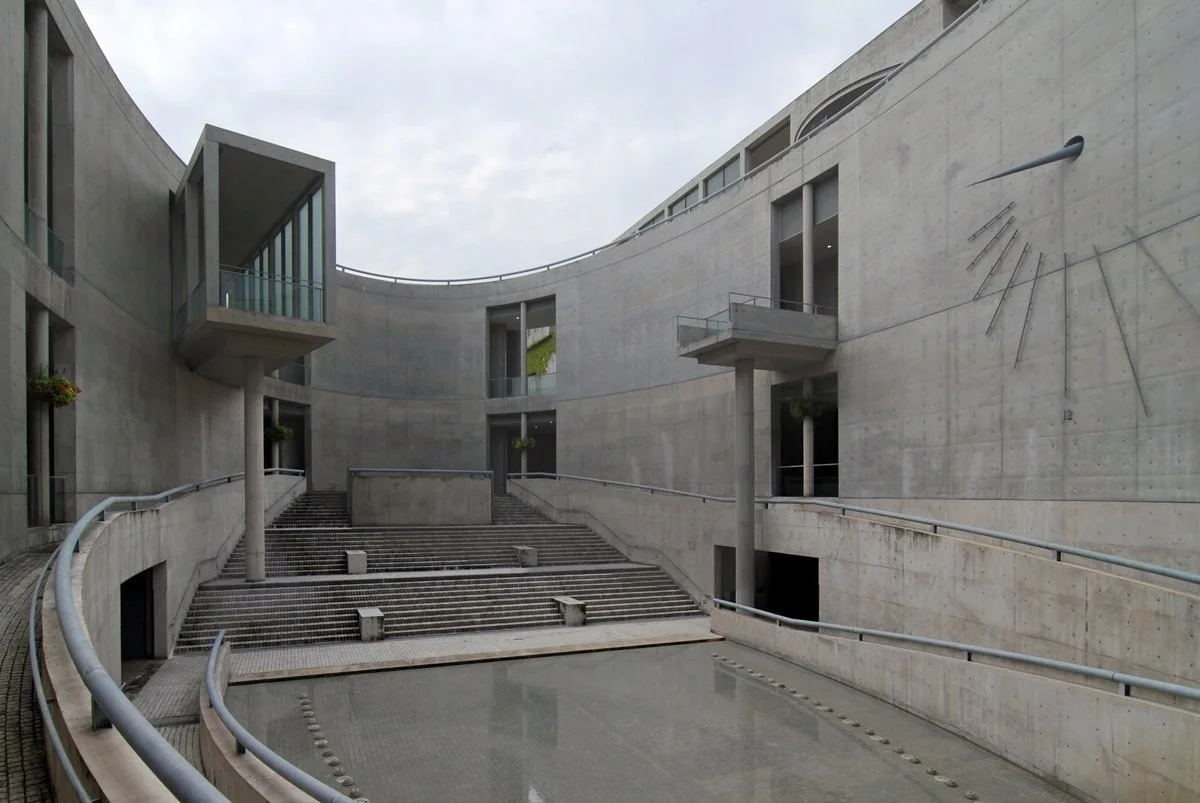
The Awaji Yumebutai, a conference center, hotel, and memorial for the 1995 Great Hanshin Earthquake, which originated below it:


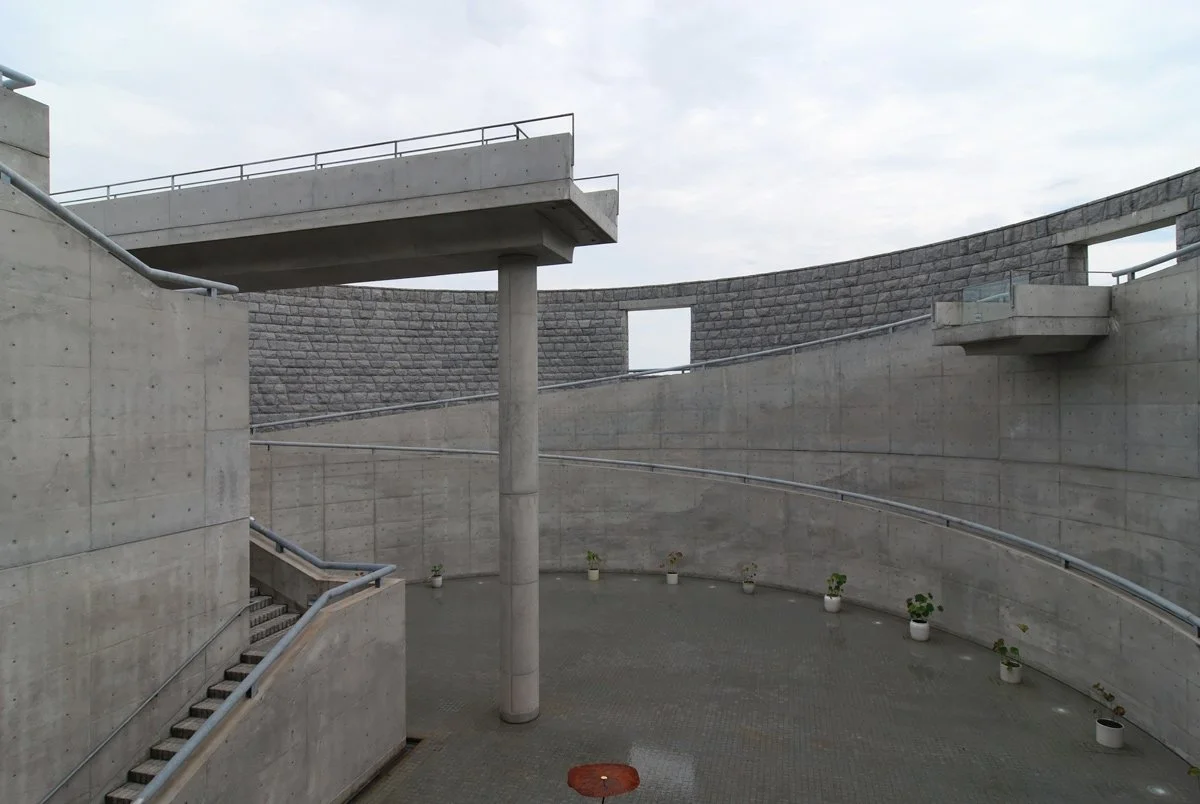
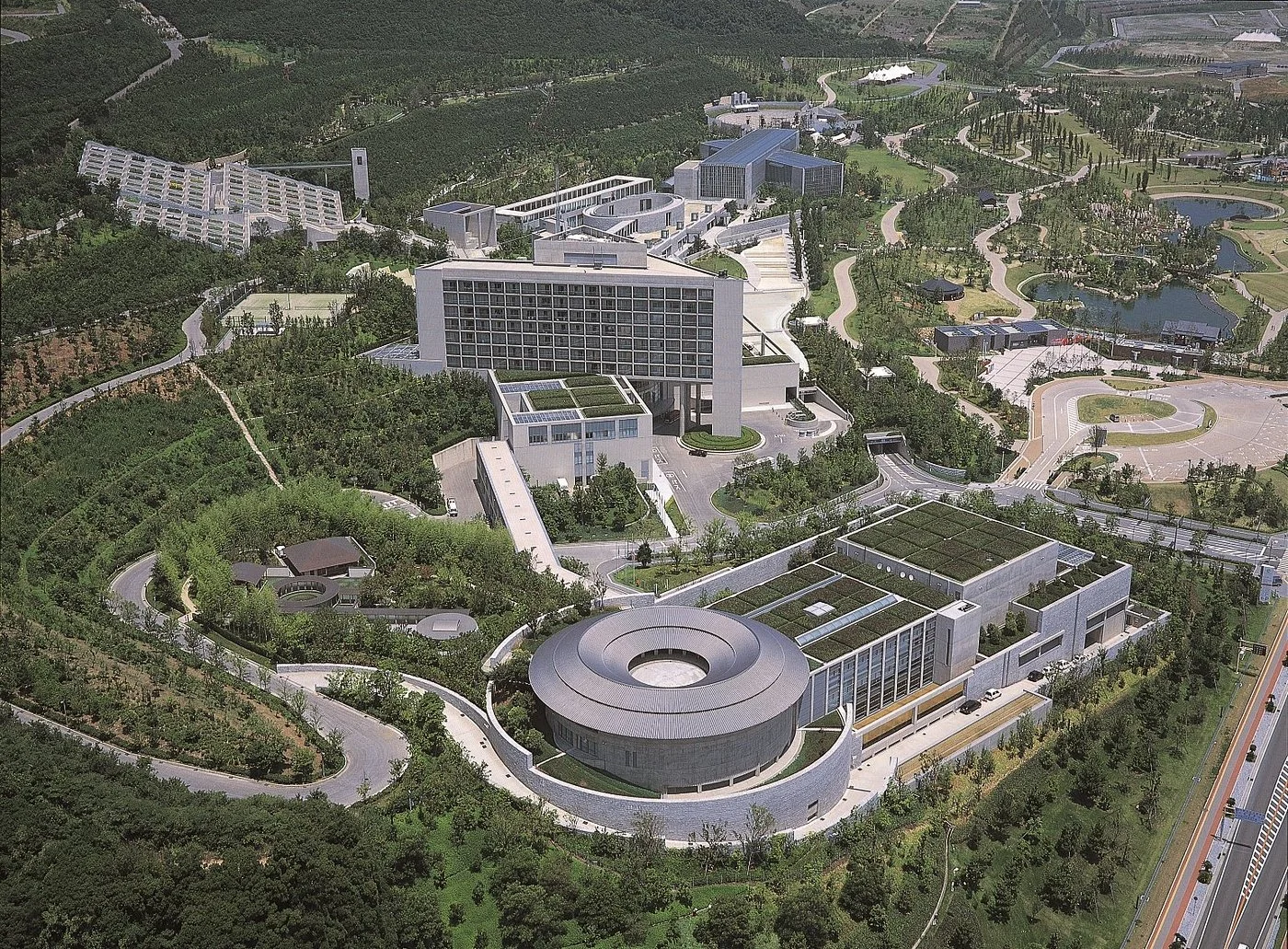
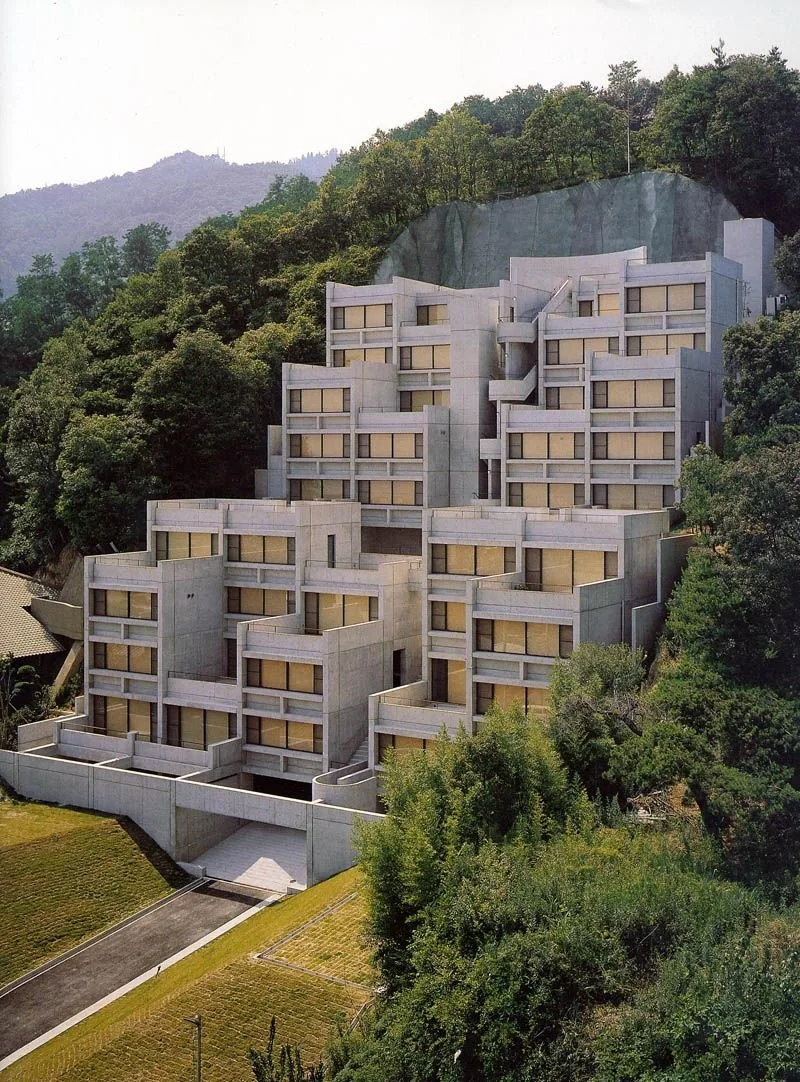
The Rokko Housing Complex:
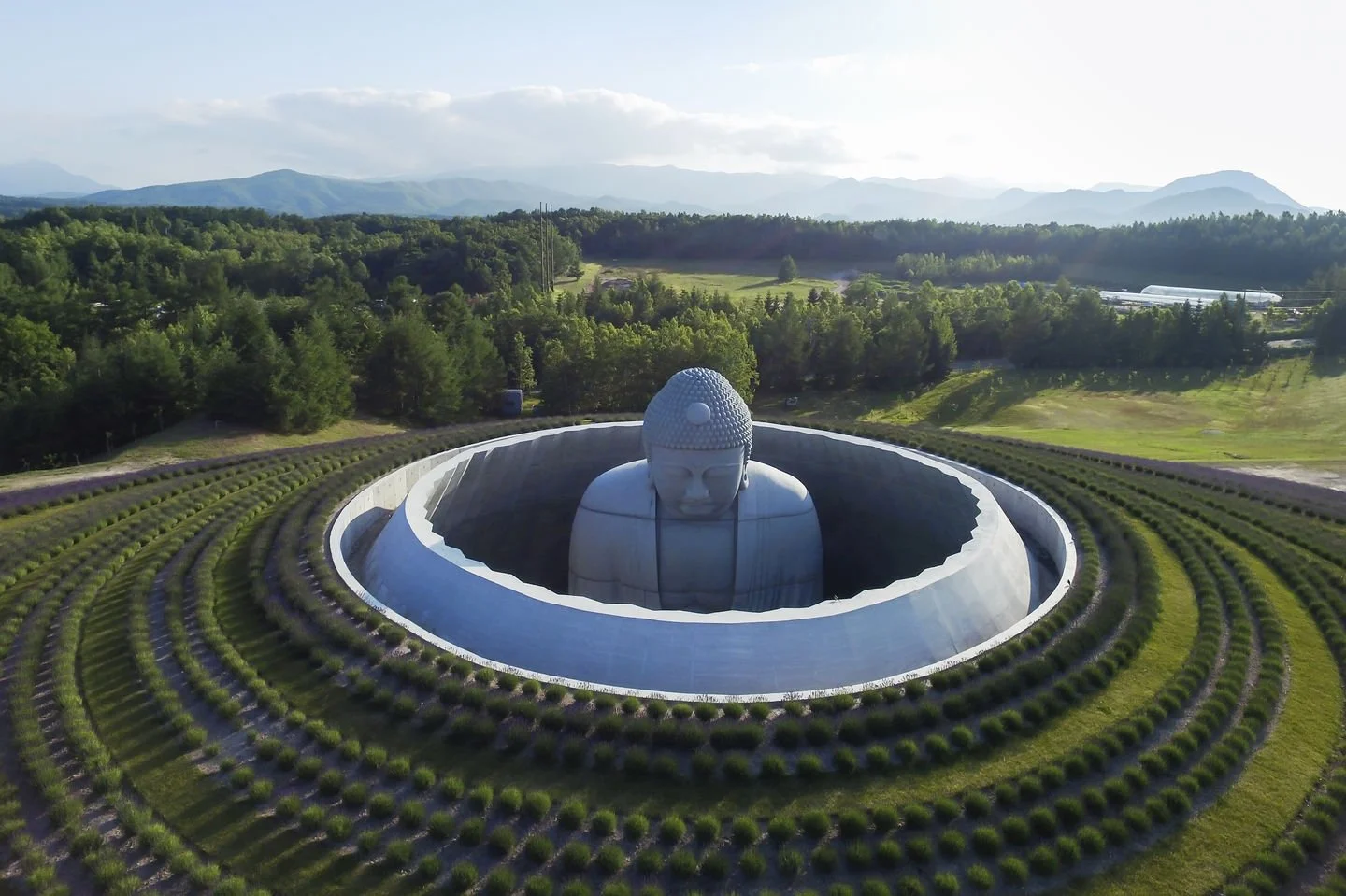
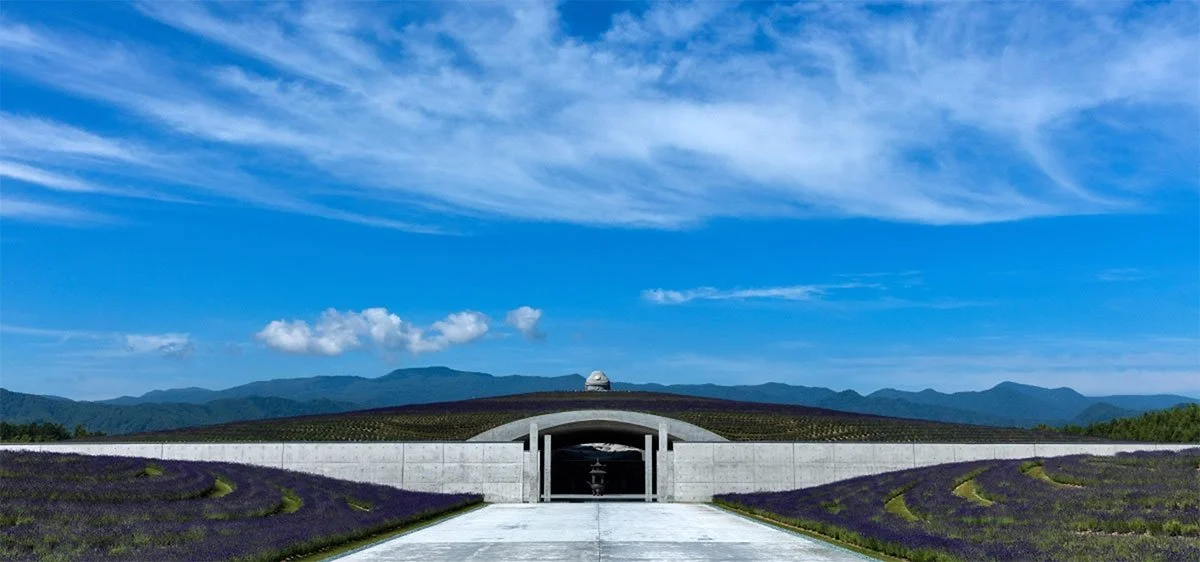
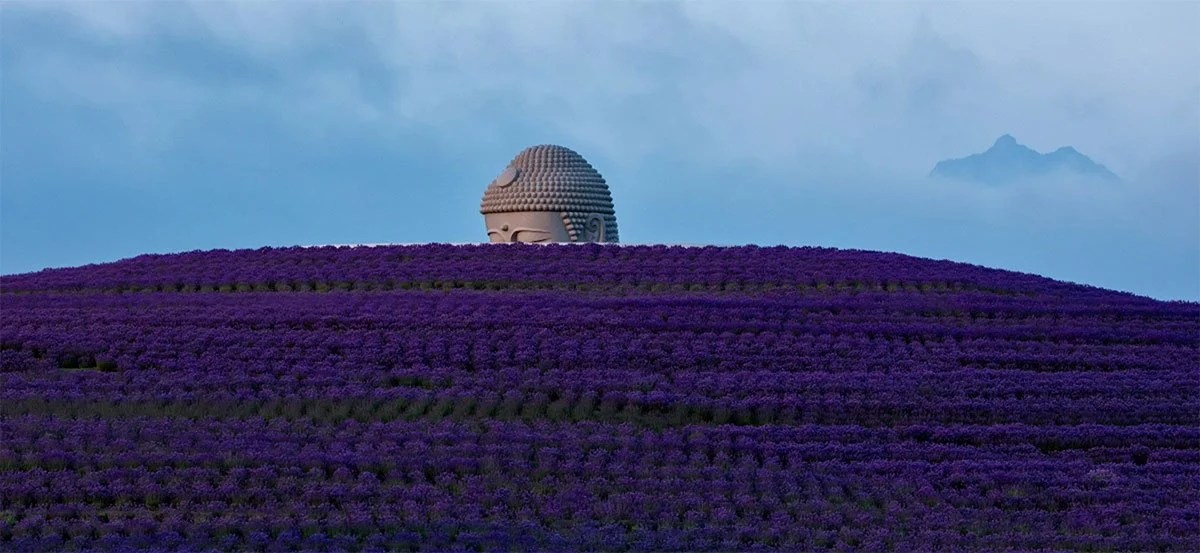
The Hill of Buddha, in which the statue seems to have been partially excavated from a burial tumulus just broken open, or perhaps Buddha has landed from outer space, and is in the process of sinking into the earth:
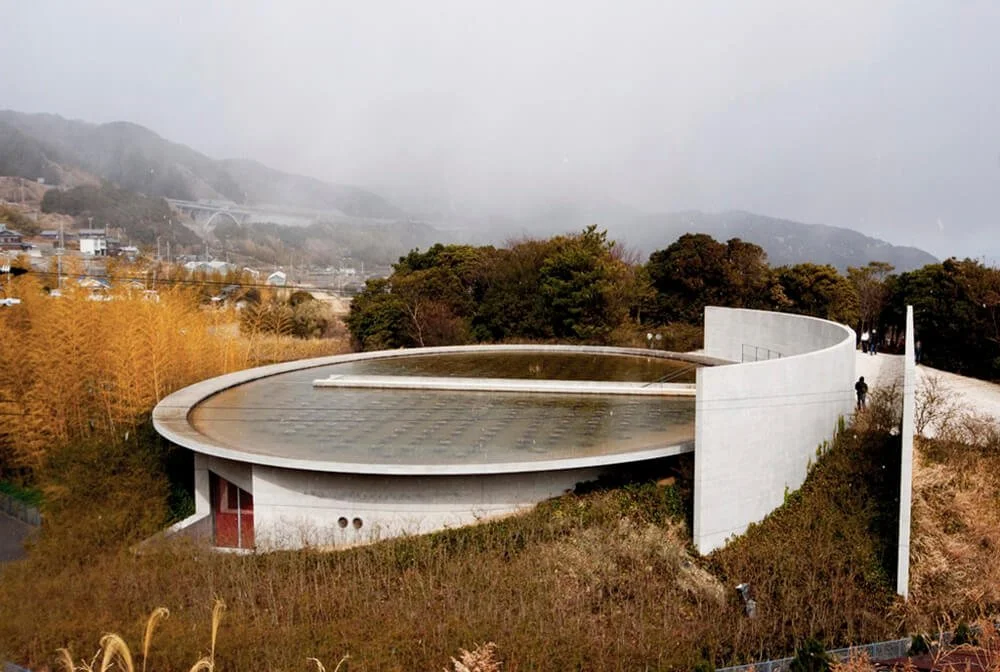
The Awaji Water Temple, the building which most stuck in my mind when I was reading architectural books as a child:


The Church on the Water:
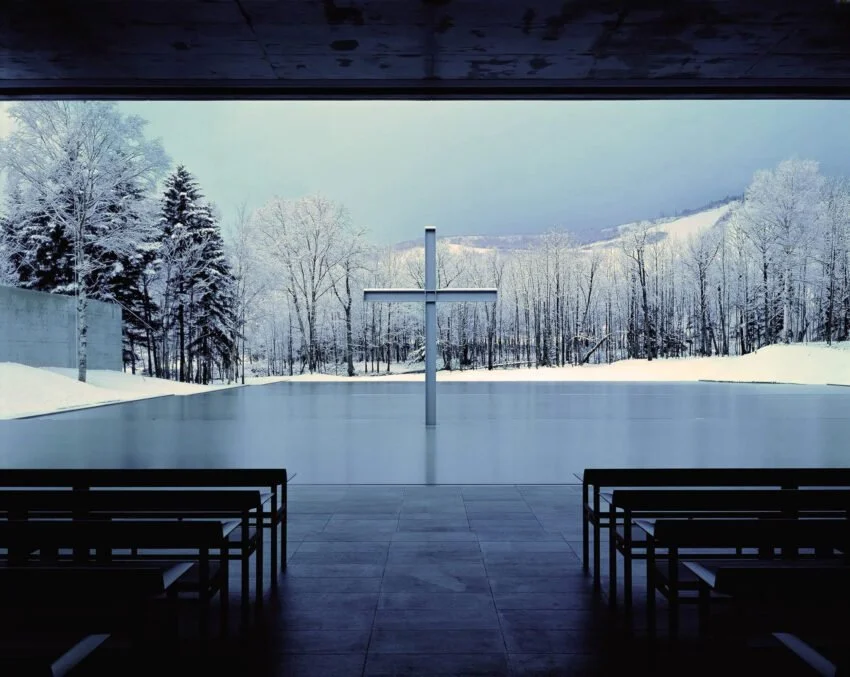
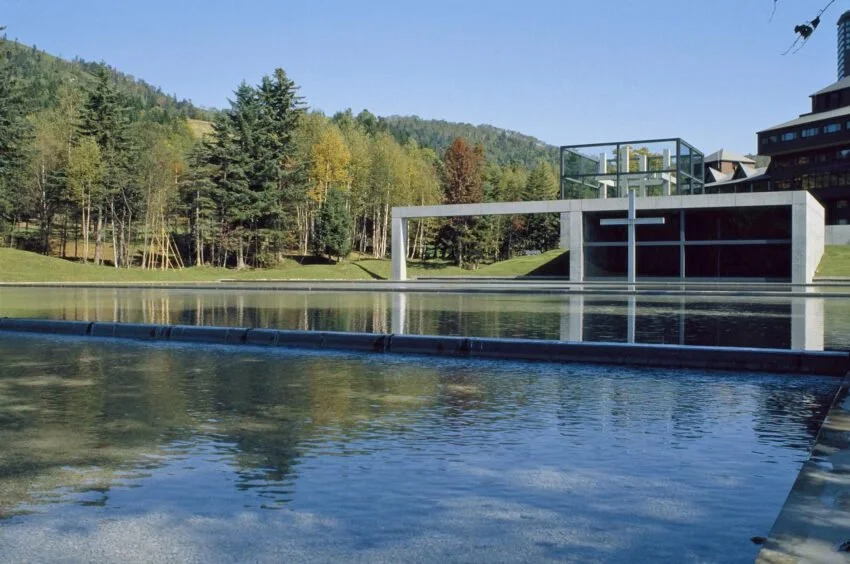

The Church of the Light which has one of the most memorable crucifixes in ecclesiastical architecture:
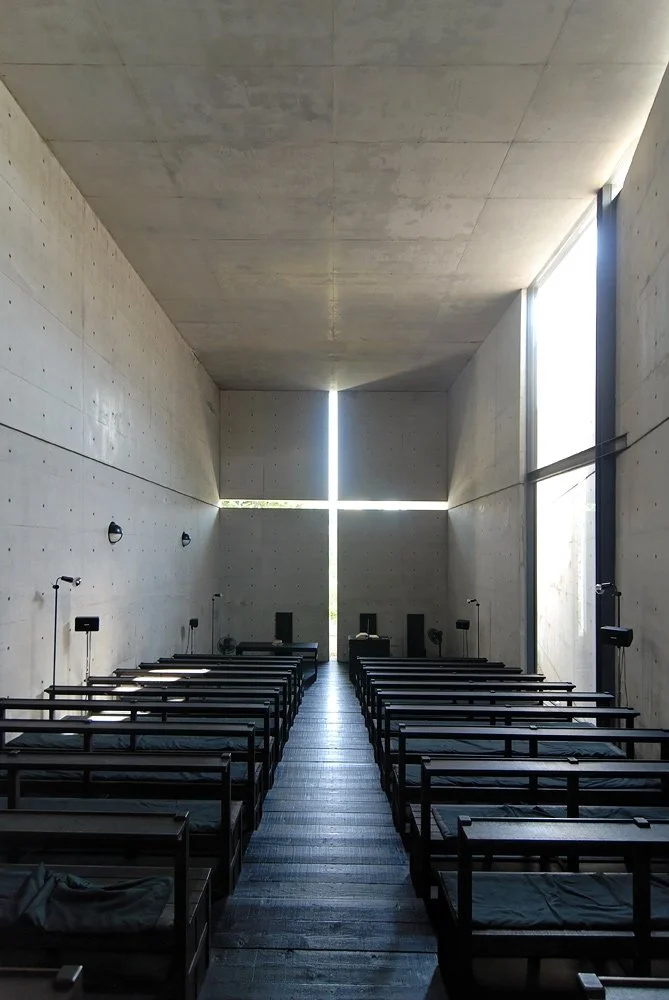


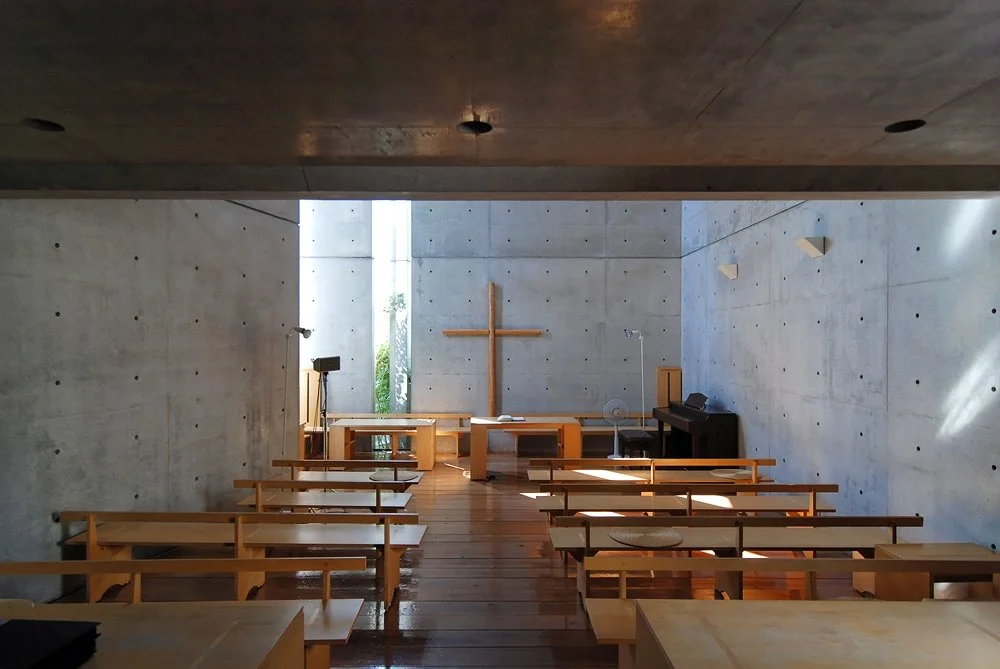
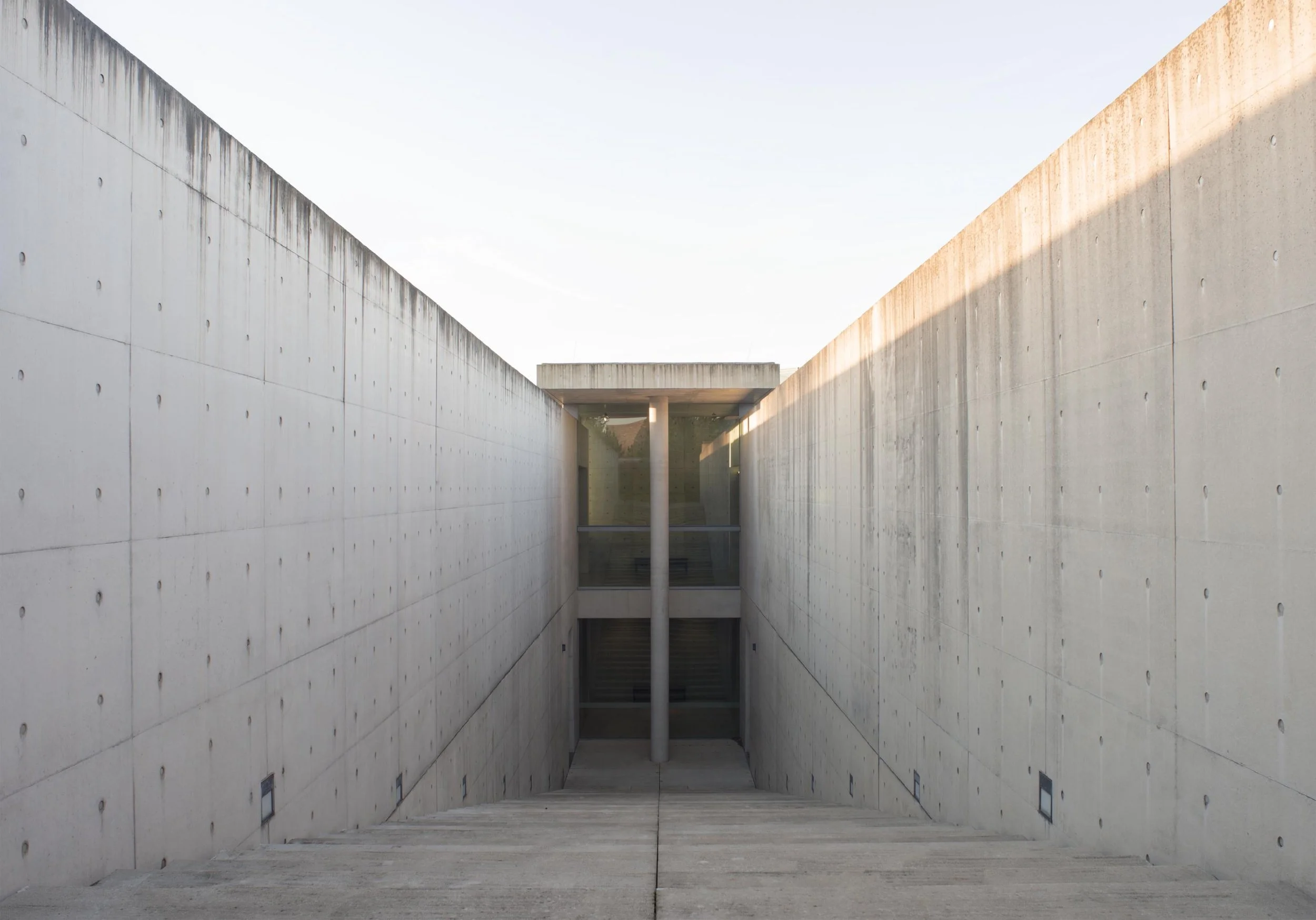
And, of course, many other buildings:



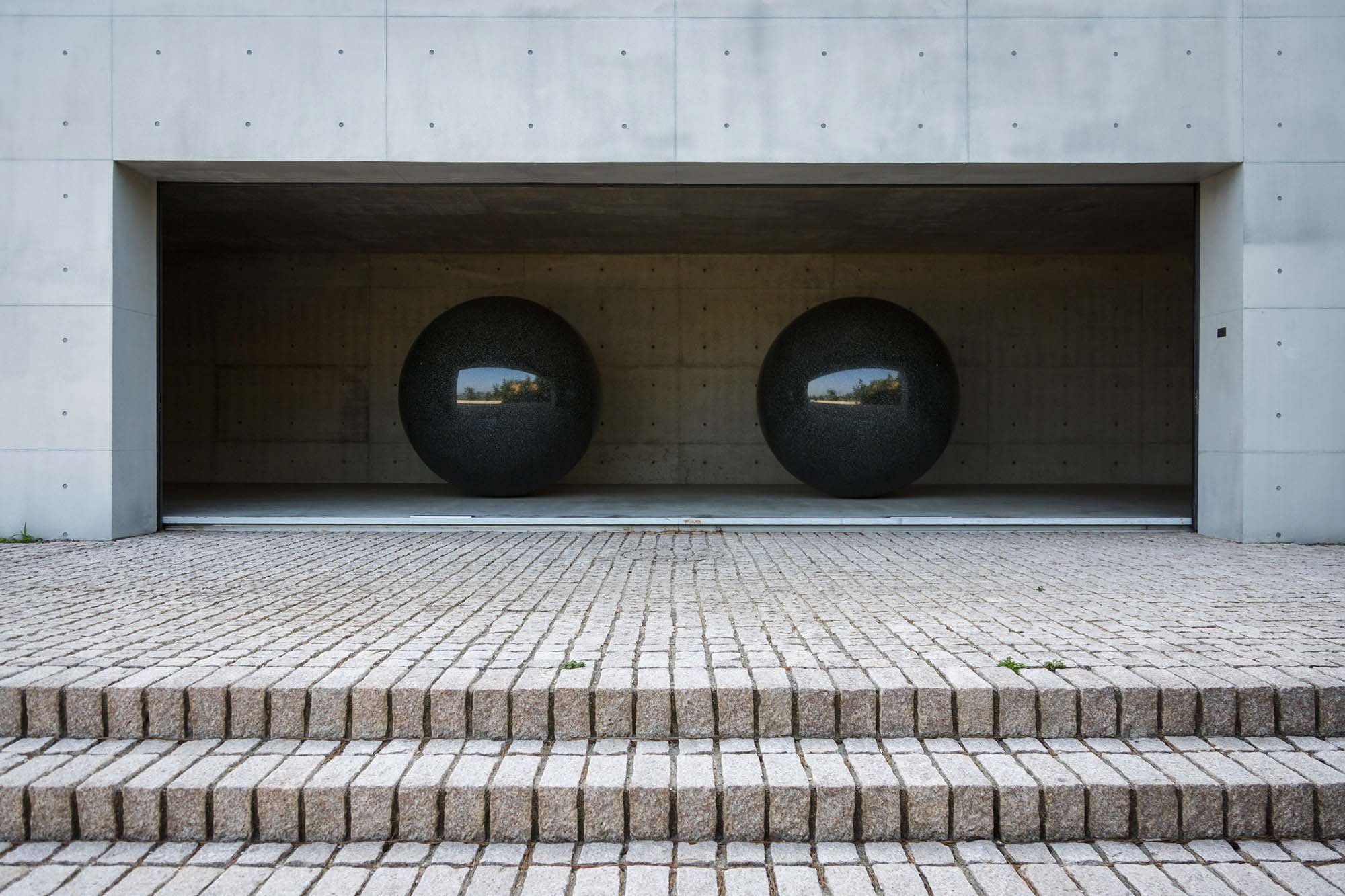

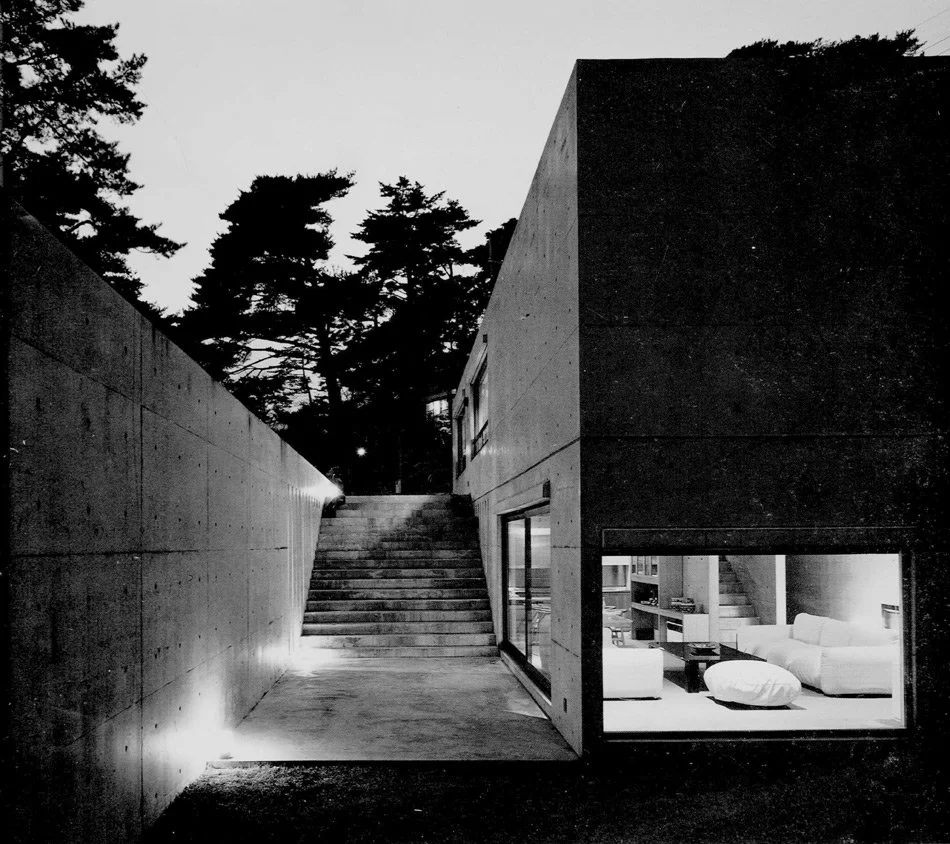
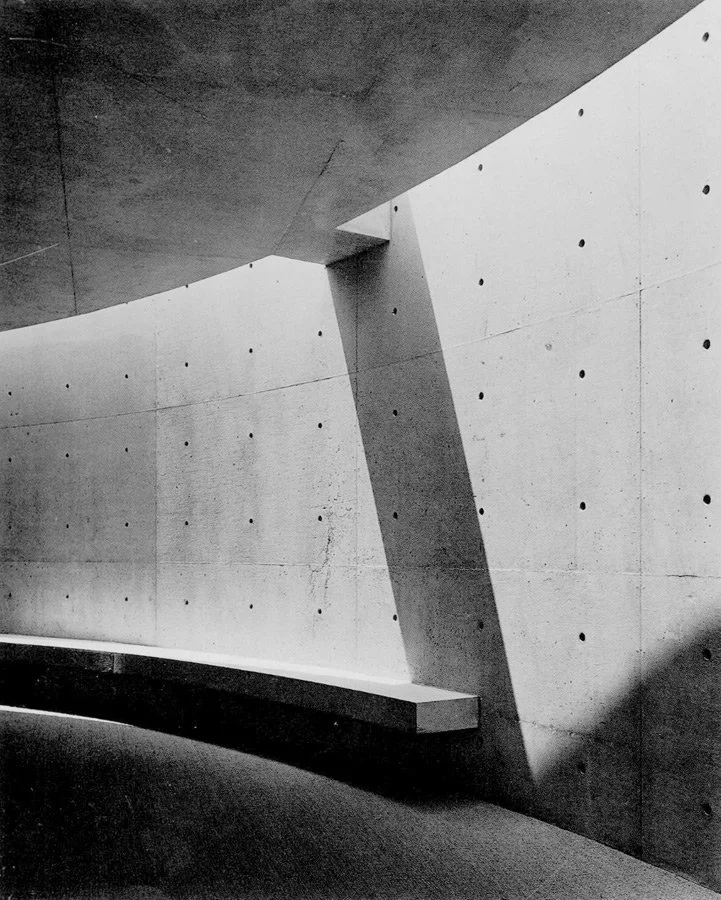
Music in February 2026
· At 26 years old, Dare You to Move remains as potent a motivator as ever, gilded by Switchfoot’s particular brand of sunny-but-not-naïve sound.
· Rilo Kiley’s album, The Execution of All Things, is somehow reassuring in its bluntness.
· Five Years seems a bit more relevant in our present moment of AI-apocalypse anxiety; but then, that itself is an encouraging reminder that such fears of imminent doom are hardly new, and would have been hard to shake off in decades past as well.
· FIG TREE is a properly haunting introduction to the impeccably-named sleepazoid.
· I am not really sure how Annie Lennox’s ballad for Bram Stoker’s Dracula relates to that fascinating and bizarre movie; but then, the ‘90s sort of had a running theme of movie ballads that seemed only tenuously connected to their films. It sure is a good song though.
· Between Softcult and chokecherry and cryogeyser and Yumi Zouma and she’s green and The Pains of Being Pure At Heart and Asobi Seksu, I unintentionally put a lot of fuzzy-wuzzy-buzzy alternative in here, which is fun.
· Ratboys’ album Singin’ to an Empty Chair may suggest a musical version of Clint Eastwood’s 2012 Republican convention speech, but it’s actually quite a good alt-country album.
· Middle Kids’ 2024 album Faith Crisis Pt 1 just rips.
· For all the personal drama attendant on it, the musical tie between Baez and Dylan remains difficult to ever top.
· Bruce Springsteen is a good companion for trying to find light in the darkness.
The Suicide of Self-Respect
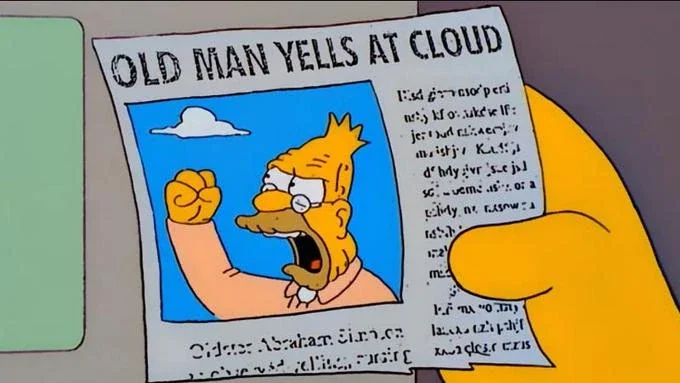
Before I say anything else, I want to say up front that I am Grandpa Simpson in this meme; and that beyond being a crank, I recognize that I am probably more than a little bit arrogant. It is possible that I should have less self-respect, or rather self-regard, at the same time that others might benefit from having a little more.
Increasingly I look around me (largely on the internet, which is perhaps a mistake) and feel I am witnessing a mass suicide of self-respect, impacting the full breadth of society in myriad ways. And I am not talking about people beclowning themselves through ordinary ignorance or the limits of their intelligence (indeed, a lack of intelligence in no way merits a lack of respect, self-directed or otherwise); neither am I accusing people of silliness – I myself am incorrigibly silly and have little use for vacuous self-seriousness. I am talking about having respect for one’s own intelligence, however limited, and more importantly, for one’s own integrity, however compromised we find ourselves on any given morning. The tragedy of a body of lemmings leaping to their doom is not simply that they somehow manage to break their tiny bodies upon the rocks (how they do this, being small, eludes me), but also that there is no good reason for them to make that leap. That senselessness is what unites all the different ways in which people voluntarily embarrass themselves (and doubly, by neglecting to actually feel embarrassed).
I call this the suicide of self-respect specifically because the thing which I first taxonomized as a bugbear of this sort was the spread of algospeak, that ridiculous tendency of people to internalize the ways in which social media algorithms privilege or censor certain words, leading them into infantile euphemisms. The most famous example, of course, is the avoidance by content creators on TikTok of the term “suicide”, and to a degree “kill,” “murder,” etc., all replaced by the obscene Newspeak “Unalive.” This is very different from youth slang, designed to confuse and elude parents – that kind of linguistic innovation is human and natural. This, on the other hand, enslaves the vocabulary to the whims of techno-capitalist advertisers, and reduces language to a quivering, cringing rabbit hiding from the algorithm. Not only does it debase the tongue of the speaker, its tendency to render grave subjects into ridiculous childlike malapropisms disrespects the gravity of those subjects, which is a real moral risk to how we think of these things. You cannot call killing “unaliving” or rape “grape” and continue to regard these things in the stark light of moral reality. And even if you can preserve your own perception against the impoverishment of your language, your hearers cannot possibly take you seriously or respect you.
Speaking of algorithms, so much of what I observe now is related to technology, to the adoption of generative AI. I am not making a blanket condemnation of the technology; I enjoy silly brainrot memes generated as AI slop as much as the next person; low humor is the appropriate venue for the technology. But as more and more people use AI to do more of their thinking for them, they disrespect their own intellects, and when they use it to whip up text which they expect humans to read, they render themselves mute and disrespect their readers. I feel personally disrespected by every instance where someone expects me to read a text that they did not bother to write. But I’m, not surprised people would reach for the easy button, especially not with things they don’t care very much about – though that is an avenue toward nobody caring at all. What shocks me are the people who find AI slop an acceptable substitute for human art – not low humor, but actual narrative entertainment, or aesthetically-pleasing art. I see so many people being impressed by AI vomit, and choosing to consume it; and I am sure I have or will be taken in myself by some AI-generated song or image that happens to strike me the right way on the wrong day – and I consider that personally disrespectful.
I am also afraid here – because while I am deeply dug-in and quite stubborn, I am afraid of eventually being swept away by economic pressure into using AI in ways I now abhor, otherwise finding the middle-class life I expect priced out of possibility by the arms race to the cheapest, fastest, short-term quarterly returns. I’ve hardly any tolerance for basic inconvenience, much less economic martyrdom. Perhaps this just masks the real fear – that I know my own weakness, and expect I will probably mellow and make excuses and erode my resolve over time, until I no longer respect myself.
Technology is far from the only arena in which this phenomenon runs rampant; another is the collapse of the shared epistemic order. People who were once serious citizens of their communities have blinkered themselves into a sludge of conspiracy theories that would have gotten them laughed out of the room twenty years ago. This may sound like me mocking ignorance, but it is actually a matter of standards – we used to treat antivaxxers like flat-earthers, and there was a broadly shared understanding of which news sources were credible and which were tabloids. What has changed is that people have decided to believe that they know better than the experts, and are crowdsourcing their epistemology to their self-selected bubbles. It’s not a case of being lied to, it’s a case of mutual sycophancy among communities of people all telling themselves the same lies. Perhaps that is ignorance, to some degree; perhaps that is not so different from how God sees our self-deception as sinners with stupid priorities; but it still feels to me like people disrespecting their own intelligence for reasons that escape me.
Conspiratorial thinking obviously plays a huge role in our politics, but this suicide of self-respect has another avenue through which it intrudes on politics. Not only do politicians beclown themselves by acting shamelessly and embracing conspiracy theories, but their supporters and even their reluctant partisans embarrass themselves by pretending that the worst of these leaders nevertheless should be taken seriously, or that things are normal, when the Emperor is quite plainly nude. A refusal to acknowledge reality runs through so many of these cases. It is the ultimate form of self-disrespect to declare that two plus two is five, and that is where the spectrum that begins with stupid euphemisms ends.
Finally, all of these are in their purest form symptoms of the disappearance of shame. People do not respect themselves enough to be embarrassed when pretending things are otherwise than they plainly are. This spills over into disrespect toward others. There has been much discourse about high- and low-trust societies, and at the root of the low-trust society is disrespecting others and oneself at the same time, by knowing oneself to be shameless, and presuming that everyone else will be shameless also. Often the moral shamelessness of one person occasions the moral shamelessness of others: every time a news story sadly reports on some crime or scam in a country that people hold negative stereotypes of, often because it does suffer from the many ills of a low-trust society, this shameless behavior of a few people produces its own echo of online bigots who mock their own intelligence by heaping general abuse on whole populations and demographics because of the actions of individuals. Truly they all deserve each other.
But perhaps the worst form of self-mockery is to elevate oneself above others, Satan perched on his Miltonic rock. Despite lampshading my arrogance, I’m still complaining about my peers and their loss of self-respect, when what I should worry about is my lack of respect for them.
Sam Neill, 1947-2026

It’s been a little more than a month since Sam Neill died, and I meant to post a short note expressing my deep fondness for his career much sooner, but I put it off because I have not yet had a chance to see The Piano, which has just gotten a new 4K transfer and re-release. I was waiting for the chance to see it in theaters, but predictably it does not seem to be making its way to Alaska, so while I am confident the new transfer means it is coming to one of the plethora of streaming services, I have given up waiting for it.
I don’t really write about celebrities, but Sam Neill always had a very specific a strange presence that made his presence in a film automatically compelling, to me at least, and so for a number of years he was always one of “my guys” – the actors who I am always elated to see show up, in however small a part. I was also quite fond of his many Instagram posts from his New Zealand winery, where he carried on an extremely Hobbit-like existence during his last years. Here’s some highlights of old Sam.
He was most famous for Jurassic Park, of course: https://www.youtube.com/watch?v=E8WaFvwtphY
As a young and severe-featured man, he is wonderful in My Brilliant Career (spoilers for the movie): https://www.youtube.com/watch?v=K7paJkdRUl0
Many people have enjoyed his scenery-chewing work as the warped Dr. Weir in Event Horizon: https://www.youtube.com/watch?v=rAchA32z2zM
I love his beautifully articulation of his American dream in The Hunt for Red October: https://www.youtube.com/watch?v=P8JW75Lv25k
He astonishes, even in support of a greater performance, in the extremely disturbing Possession: https://www.youtube.com/watch?v=aLXW-oVbTxE
And of course, perhaps his finest work - In the Mouth of Madness, a tour de force (spoilers for the end of the movie): https://www.youtube.com/watch?v=6Xx6elsNg-Y